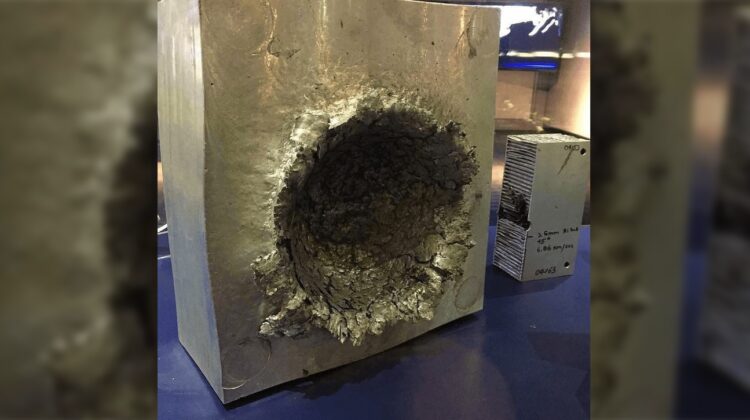
Space exploration has always been a symbol of human ingenuity, but with every mission, the problem of space debris becomes more pressing. The risks posed by tiny objects traveling at astonishing speeds in Earth’s orbit are not just theoretical—they’re vividly demonstrated by the damage they can cause. One striking example? A 1/2 oz (14-gram) piece of plastic traveling at 15,000 mph (24,000 km/h) colliding with aluminum, leaving behind catastrophic results.
This article delves into the dangers of space junk, real-life examples of its impact, and the efforts being made to combat this growing threat.
The Devastating Impact of Space Debris
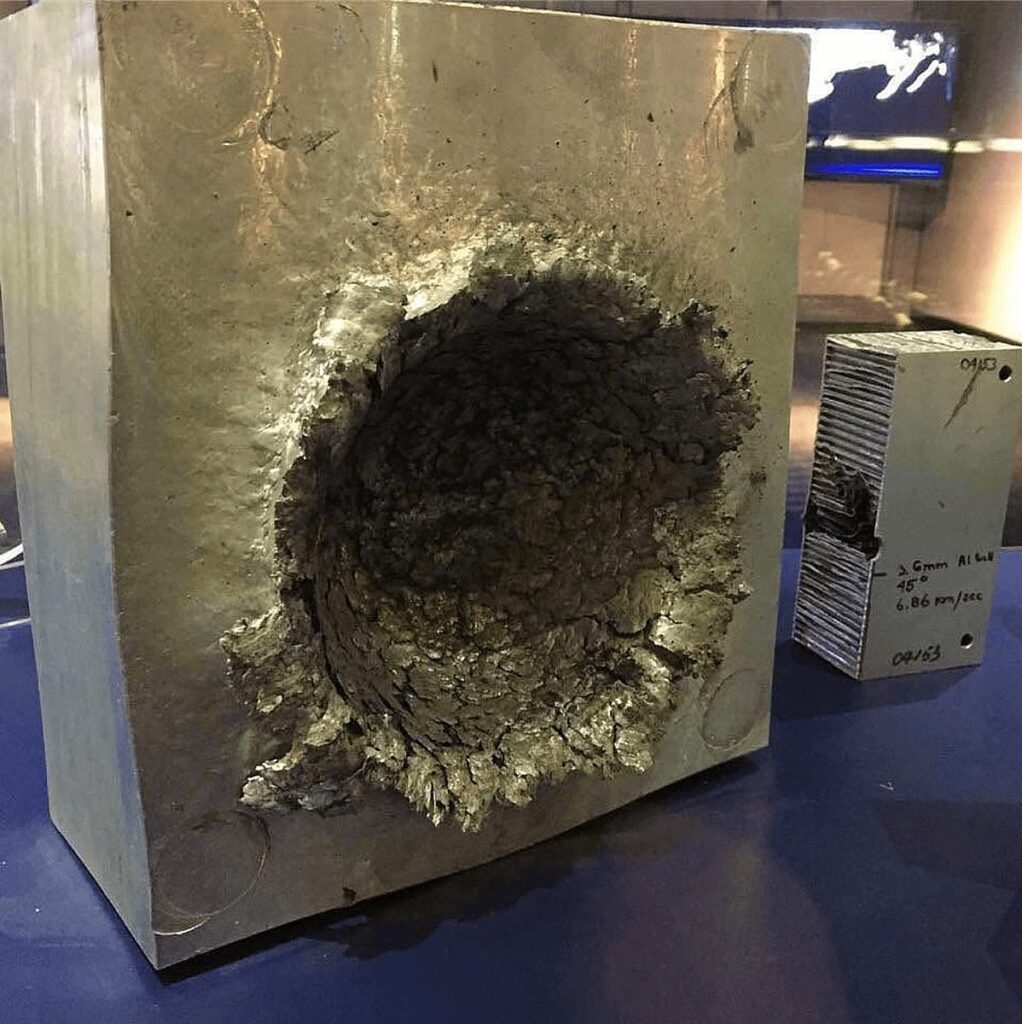
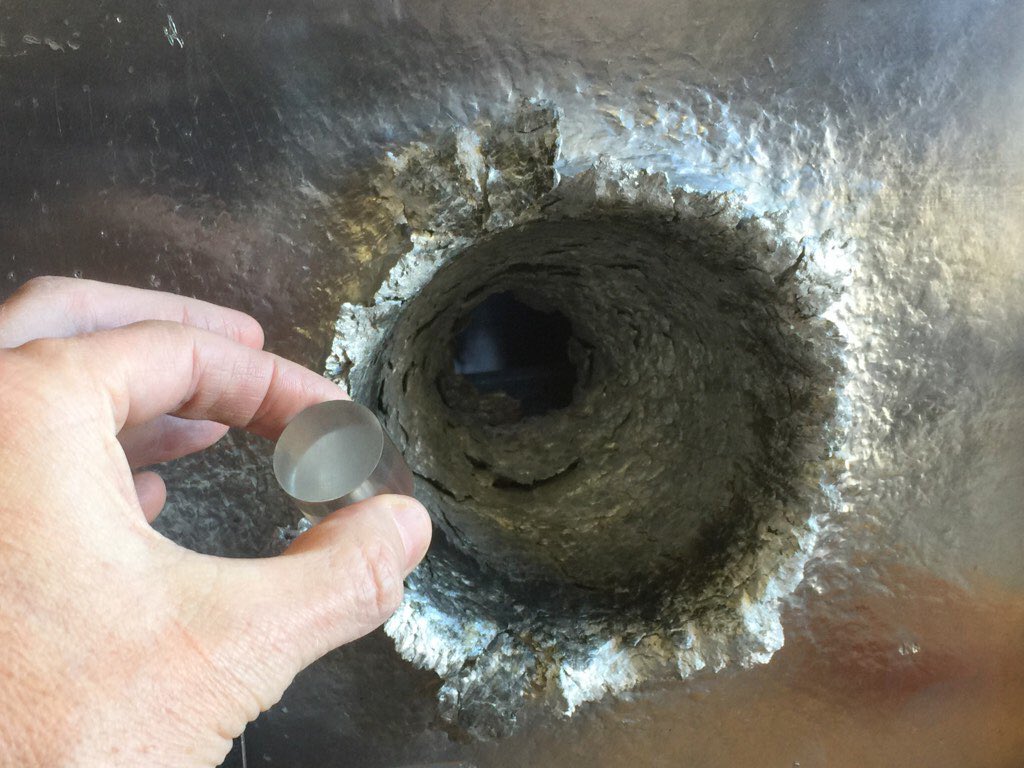
At speeds reaching 15,000 mph, even a small object can unleash a tremendous amount of kinetic energy. In one notable case, a piece of plastic weighing just 14 grams struck an aluminum block during a simulated test. The result? A massive dent, illustrating how even the tiniest fragments can cripple spacecraft.
Astrophysicist Neil deGrasse Tyson highlighted this phenomenon by sharing a photo of the damaged aluminum on Twitter. He explained how such collisions threaten not just satellites but also the International Space Station (ISS) and future manned missions. Elon Musk, CEO of SpaceX, responded by emphasizing the importance of protective shields on SpaceX Dragon capsules.
The Growing Problem of Space Debris
Currently, NASA estimates that over 27,000 pieces of space debris—ranging from defunct satellites to fragments from previous collisions—are floating in Earth’s orbit. These objects pose a significant threat to operational satellites, communication networks, and critical space missions.
With the increasing commercialization of space, including projects like Elon Musk’s Starlink and OneWeb, the number of satellites in orbit is set to grow exponentially. This escalation raises serious concerns about the sustainability of low-Earth orbit (LEO).
The European Space Agency’s Cleanup Mission
Recognizing the urgency of the problem, the European Space Agency (ESA) launched the Sunrise Programme, which aims to remove non-functional satellites from orbit. Partnering with British company Astroscale and satellite operator OneWeb, ESA is working on developing a prototype designed to capture and deorbit multiple satellites in LEO.
This groundbreaking project is expected to pave the way for a cleaner orbital environment, ensuring the safety of future missions.
Why Space Junk Matters
Beyond the visible damage to spacecraft, space debris creates cascading risks. Known as the Kessler Syndrome, the phenomenon describes a scenario where one collision generates fragments that trigger further collisions, potentially rendering certain orbital regions unusable.
Protective measures, such as shields and improved tracking systems, are vital. Companies like SpaceX and international agencies are investing in technologies to mitigate these risks, but the sheer volume of debris makes the task monumental.
The alarming damage caused by a tiny piece of plastic traveling at 15,000 mph is a wake-up call for humanity. As space exploration continues to advance, addressing the growing problem of space debris is no longer optional—it’s a necessity. With innovative programs like ESA’s Sunrise and advanced shielding technologies from SpaceX, there is hope for a safer orbital future.
For now, the image of a caved-in aluminum block serves as a stark reminder of the fragility of our spacecraft and the urgent need to tackle space junk head-on.
Leave a Reply