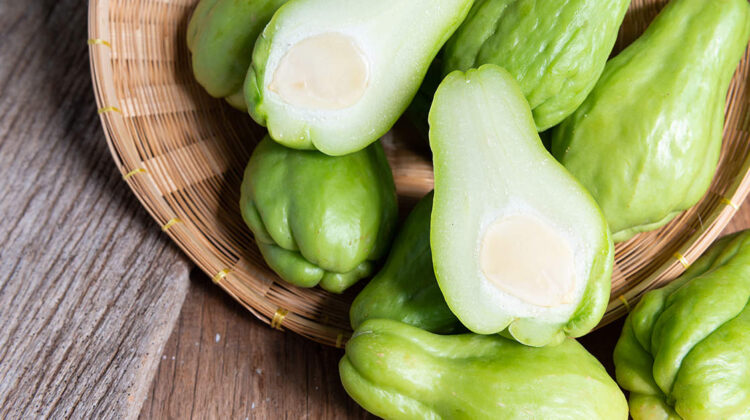
Chayote (Sechium edule), often called vegetable pear, is widely praised for being a low-calorie, fiber-rich vegetable packed with vitamin C, potassium, and antioxidants. It supports digestion, metabolic balance, and cardiovascular wellness — making it a popular choice in weight management and healthy diet plans.
However, despite its nutritional benefits, chayote is not suitable for everyone. Certain medical conditions require caution, especially when underlying kidney, metabolic, or gastrointestinal disorders are involved.
1. Individuals with Kidney Disease or History of Kidney Stones
Chayote naturally contains oxalates — compounds that can contribute to kidney stone formation in susceptible individuals.
For people diagnosed with:
- Chronic kidney disease (CKD)
- Reduced kidney function
- Recurrent kidney stones
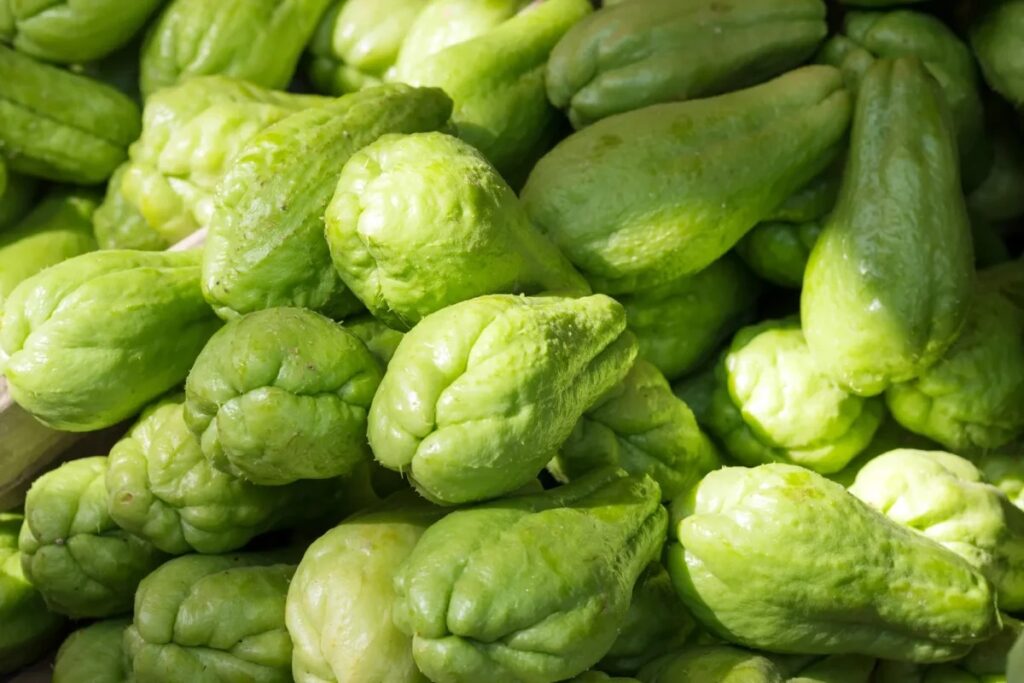
High-oxalate foods may increase renal stress and crystal formation. Patients undergoing kidney disease management programs or nephrology treatment should consult a licensed healthcare provider before regularly consuming chayote.
Medical professionals may recommend portion control, hydration therapy, or dietary modification as part of a structured renal health plan.
2. People with Cucurbitaceae (Gourd Family) Allergies
Chayote belongs to the same botanical family as:
- Squash
- Pumpkin
- Cucumber
Individuals with documented food allergies to this plant group may experience reactions ranging from mild itching to more serious symptoms such as swelling, hives, or respiratory distress.
If you have a history of food sensitivity, seeking allergy testing services or an immunology consultation can help determine whether chayote is safe for you.
3. Patients Using Blood Sugar–Lowering Medication
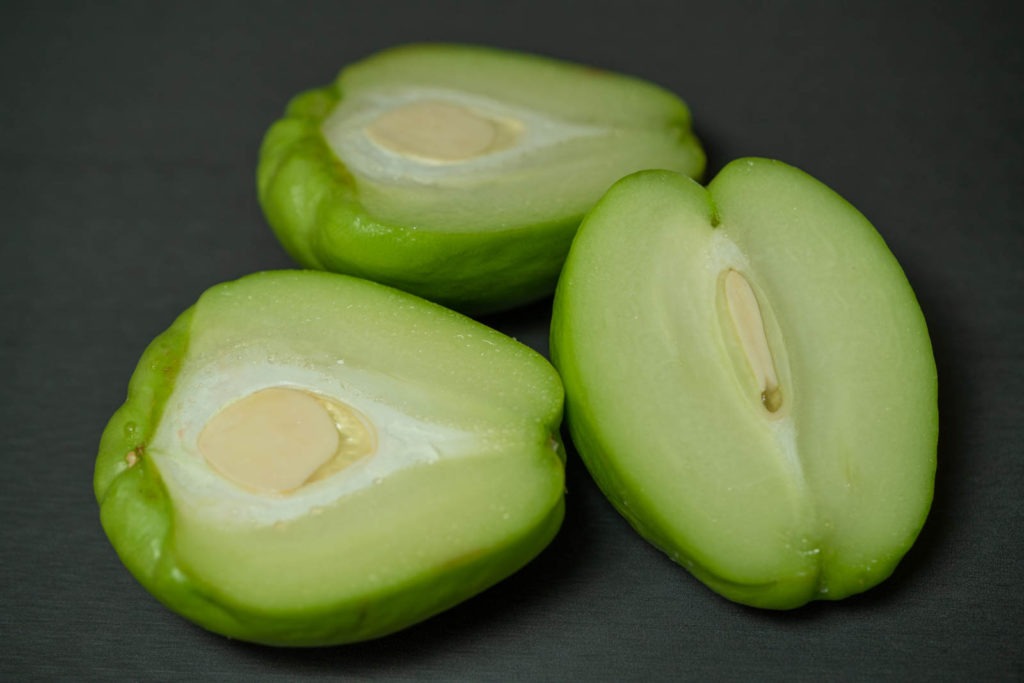
Chayote has a naturally low glycemic index and may support glucose regulation. While this is beneficial for many individuals, it may amplify the effects of:
- Insulin therapy
- Oral diabetes medications
- Comprehensive diabetes treatment plans
This interaction could increase the risk of hypoglycemia (low blood sugar). Individuals enrolled in diabetes management programs or endocrine care services should monitor blood glucose levels carefully and discuss dietary changes with their healthcare provider.
4. People with Sensitive Digestion or Gastrointestinal Disorders
The high fiber content in chayote promotes gut health in most individuals. However, those diagnosed with:
- Irritable Bowel Syndrome (IBS)
- Chronic bloating or gas
- Functional digestive disorders
may experience discomfort if large amounts are consumed quickly.
Patients receiving care at a digestive health clinic or gastroenterology practice should introduce high-fiber vegetables gradually and monitor portion sizes carefully.
Safe Consumption: When Medical Guidance Matters
For most healthy adults, chayote is a nutritious addition to a balanced diet. However, individuals managing chronic conditions should prioritize:
- Preventive medical consultation
- Personalized nutrition planning
- Routine health screening
- Medication interaction review

Access to primary healthcare services, specialist consultations, and preventive health insurance coverage plays a vital role in ensuring dietary choices align with long-term medical safety.
Final Thought
Chayote offers impressive nutritional value — but like many natural foods, its impact depends on individual health status. Kidney function, metabolic balance, allergy risk, and digestive sensitivity all influence how the body responds.
Before making significant dietary changes, especially when managing chronic disease, professional medical advice remains the safest path.
Leave a Reply