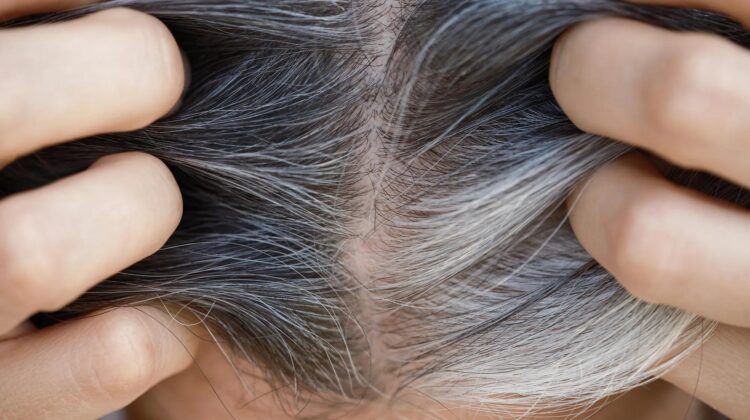
At first glance, choosing to let hair turn gray naturally appears to be a quiet, personal decision. No statements are made. No rules are broken. And yet, those who stop dyeing their hair—particularly women—often encounter an unexpected reaction from others: discomfort. Awkward remarks. Unsolicited advice. Subtle judgment. Occasionally, visible irritation.
Why does such a silent choice provoke such strong emotional responses?
The answer has far less to do with hair color and far more to do with psychology, social conditioning, and deeply rooted fears about aging and control.
Gray Hair Disrupts the Illusion of Control
Modern society is deeply invested in the belief that aging is something to be managed, delayed, or softened. Wrinkles are smoothed. Hair is dyed. Bodies are reshaped. These rituals offer a reassuring illusion—that time itself can be negotiated if enough effort is applied.
When someone allows their hair to go gray naturally, they quietly step outside this agreement. They are no longer participating in the collective effort to conceal the passage of time. For observers, this can feel deeply unsettling. It serves as an unspoken reminder that control has limits—and that aging is inevitable.
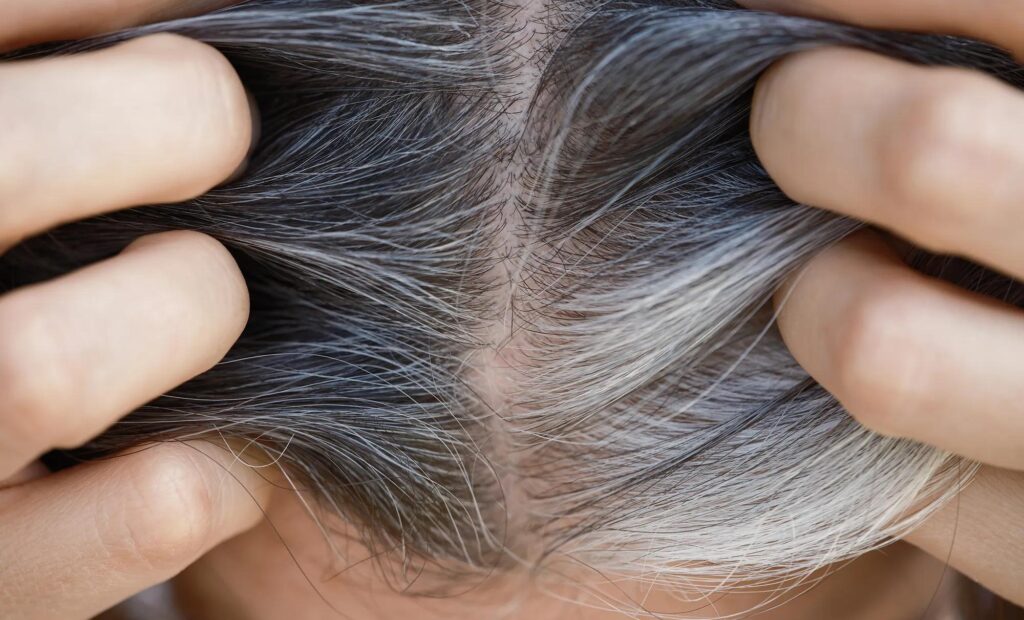
The discomfort is not rooted in aesthetics. It stems from confrontation with a truth many would rather keep blurred.
A Double Standard That Still Targets Women
Gray hair is not judged equally across genders. On men, it is often framed as “distinguished,” “seasoned,” or “authoritative.” On women, it is far more likely to be interpreted as neglect, decline, or a lack of effort.
This double standard is not accidental. It reflects long-standing social expectations that women remain youthful, visually pleasing, and carefully maintained well into later life—far beyond what is expected of men. Allowing hair to go gray violates this unspoken rule.
For some observers, the discomfort arises because the choice feels like a refusal to perform a role they unconsciously believe women are required to play.
A Quiet Signal of Independence
Many people rely more heavily than they realize on external validation. Appearance becomes a language of belonging—signaling effort, compliance, and social awareness.
Someone who embraces gray hair may be perceived as stepping outside that system. They appear less dependent on approval, trends, or reassurance. This perceived independence can be unsettling to those who still draw security from external affirmation.

Psychologically, this reaction is often a form of projection. The discomfort is not truly about the person with gray hair, but about what their confidence reflects back: What if I didn’t need approval either? What would that say about the effort I’m making?
Gray Hair Refuses to Apologize for Aging
In many cultures, aging is expected to be discreet—to be softened, hidden, or politely disguised. Gray hair does none of this. It is visible. Honest. Unedited.
Because of this, people often expect those with gray hair to explain themselves—to justify the choice, to reassure others that they haven’t “given up.” When no explanation is offered, the silence itself can feel confrontational.
Not because it is aggressive—but because it refuses to apologize.
A Different Relationship With Time
Letting hair go gray often reflects a deeper psychological shift: moving from resistance to integration. From striving to appear younger to allowing oneself to be fully seen.
This relationship with time challenges a culture that ties worth to youth and relevance to appearance. For those still fighting that narrative, the presence of someone who has stepped beyond it can feel destabilizing.

It introduces an alternative idea—that identity does not peak at its most socially rewarded moment, and that value does not diminish with age.
Final Insight
The discomfort surrounding gray hair is rarely about hair at all. It arises because this choice embodies something quietly radical: acceptance without apology. It reflects autonomy, challenges cultural anxiety, and disrupts deeply ingrained expectations—without confrontation or explanation. In a society built on performance and appearance, even silent resistance carries weight. And that, more than any shade of gray, is what truly unsettles people.
Leave a Reply