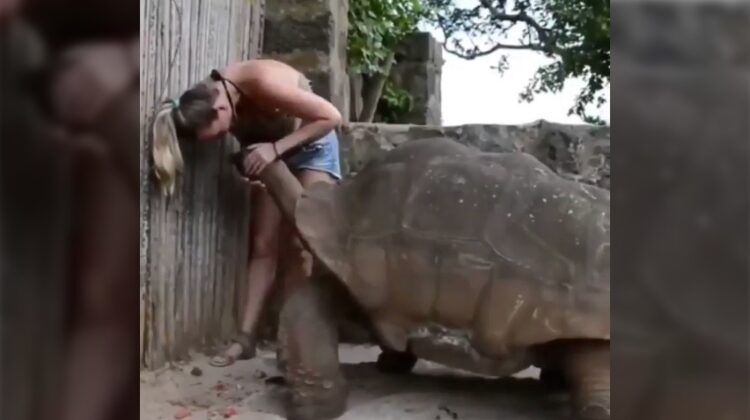
In the heart of the Galápagos archipelago, a remarkable creature has captured the imagination of scientists and nature enthusiasts alike—the Galápagos tortoise. Also known as giant tortoises, these reptilian giants are among the world’s most captivating and long-lived land vertebrates. Let’s dive into the captivating world of Galápagos tortoises and unravel their unique characteristics, challenges, and conservation efforts.
With a legacy stretching back millions of years, Galápagos tortoises are a testament to the enduring forces of evolution. The archipelago, located off the coast of Ecuador, is home to 13 living species of these incredible creatures. Their longevity is truly awe-inspiring, with an average lifespan exceeding a century. The oldest documented tortoise lived a remarkable 175 years, a testament to their resilience.
Giant tortoises are aptly named, boasting impressive dimensions that make them the world’s largest tortoises. Some individuals reach lengths exceeding five feet and weigh over 500 pounds. These gentle giants were so abundant on the Galápagos islands that they lent their name to the archipelago, with Spanish sailors dubbing them “galápago,” the Spanish word for tortoise.
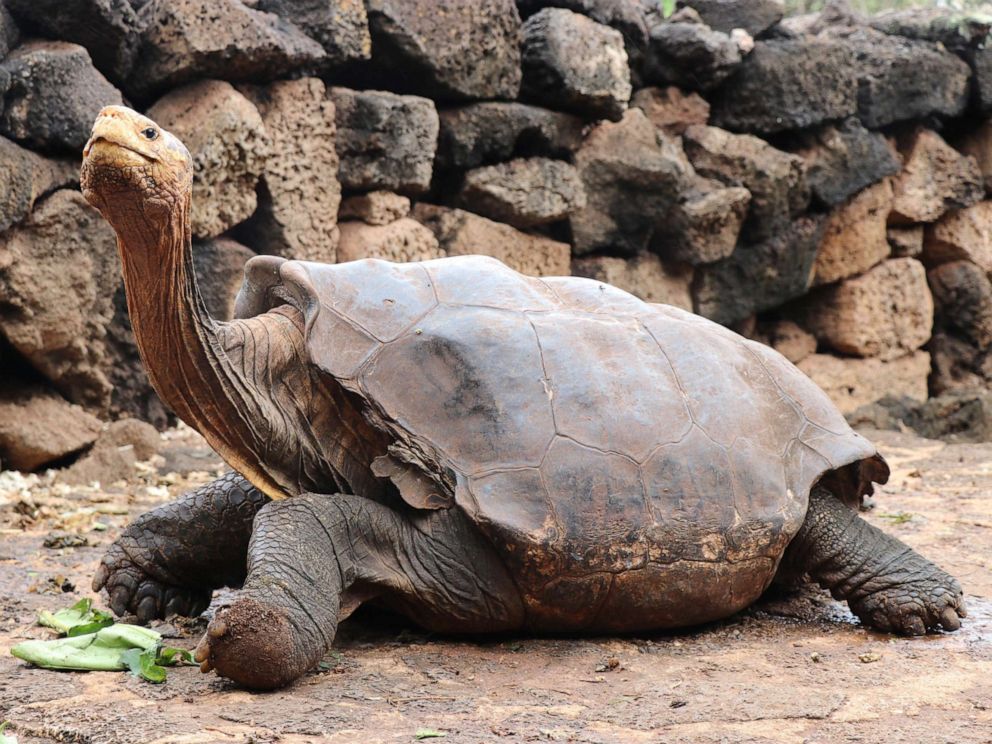
Despite their once-thriving populations, the story of Galápagos tortoises is a tale of both resilience and vulnerability. The islands, initially home to an estimated quarter of a million tortoises, now house a mere 15,000 in the wild. Many subspecies are listed as endangered or critically endangered by the International Union for Conservation of Nature (IUCN). The loss of a hundred-year-old giant tortoise named Lonesome George in 2012 highlighted the urgent need for conservation efforts. Lonesome George was the last of his kind, marking the extinction of the Pinta Island tortoise.
While challenges loom large, conservation initiatives offer a glimmer of hope. Scientists and organizations are dedicated to preserving the unique biodiversity of Galápagos tortoises. These remarkable creatures, with their deep ties to the archipelago’s ecosystem, play an essential role in shaping their habitat by dispersing plant seeds through their dung.
The journey of the Galápagos tortoise spans millions of years, evolving into distinct species that inhabit different regions of the archipelago. These reptilian giants have two main types: domed tortoises, found in cooler regions, and saddle-backed tortoises, thriving in dry coastal environments. Their specialized adaptations enable them to reach tall cacti and thrive in their respective habitats.
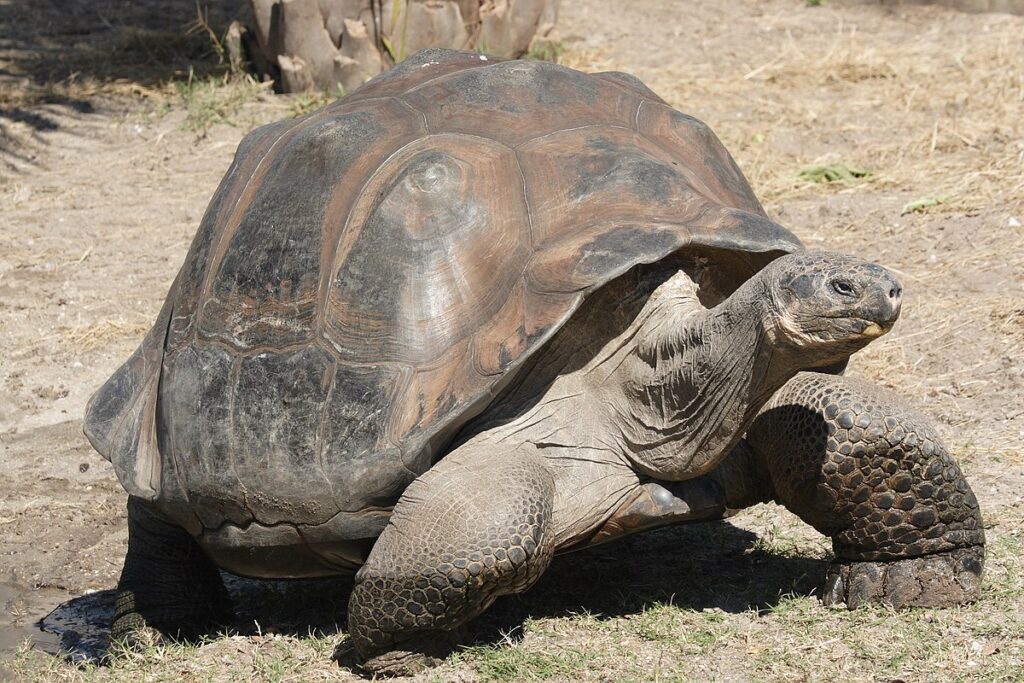
Galápagos tortoises lead a leisurely life, feasting on grass, leaves, and cacti, basking in the sun, and resting for up to 16 hours daily. Their slow metabolism and ability to store water allow them to endure extended periods without sustenance. Intriguingly, their role as seed dispersers has a lasting impact on their ecosystem, ensuring the survival of plant species.
Breeding among Galápagos tortoises is a remarkable feat, marked by patience and survival strategies. Maturity is achieved around 20 to 25 years, and breeding occurs during the hot season. The process involves elaborate courtship rituals and culminates with the female laying eggs in sandy nests. The temperature of the nest determines the gender of the hatchlings, adding another layer of complexity to their journey.
The path to preserving Galápagos tortoises is fraught with challenges, from historical overexploitation by humans to the threat of invasive species. Conservation efforts, however, offer a beacon of hope. Ecuadorian laws and international agreements provide protection, while captive breeding programs yield positive results. The Galápagos Conservancy’s initiatives have boosted populations, with some species experiencing remarkable recoveries.
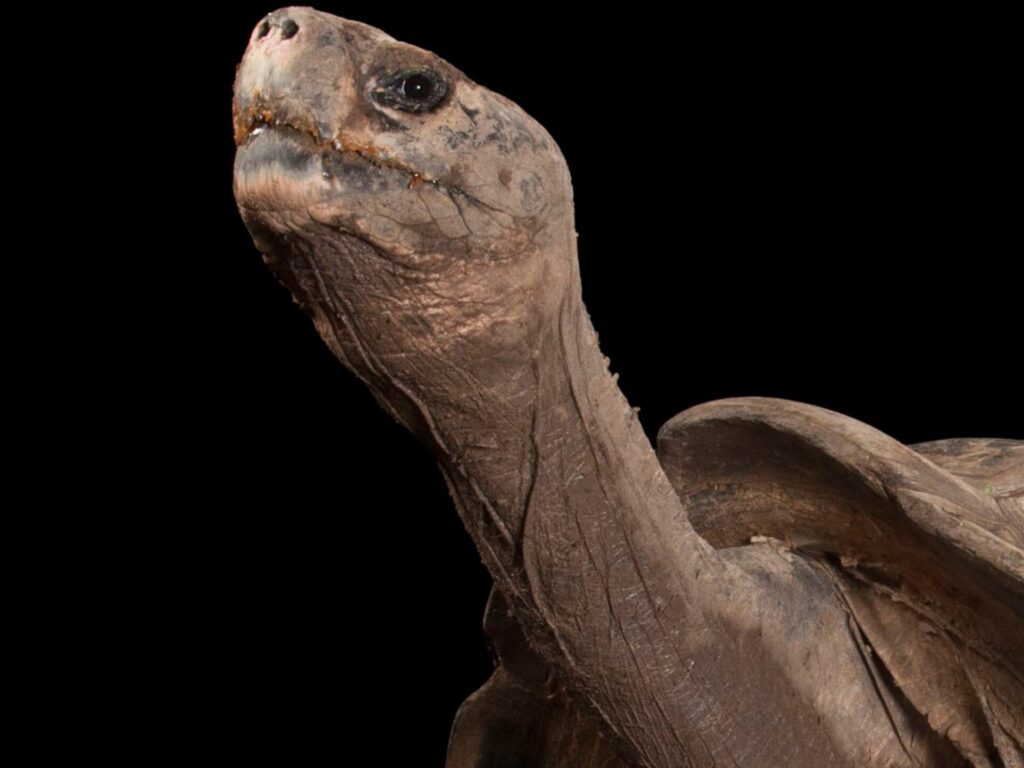
Among the triumphs of conservation, the rediscovery of a Fernandina giant tortoise in 2019 stands as a beacon of hope. Previously thought to be extinct, this lone female tortoise was found on Fernandina Island, emphasizing the importance of ongoing efforts to protect and preserve these iconic creatures.
The Galápagos tortoise, a living embodiment of evolutionary history, serves as a poignant reminder of the delicate balance between human impact and nature’s resilience. As conservation endeavors continue, these gentle giants may continue to roam the Galápagos islands for generations to come. For further insight into the world of Galápagos tortoises, explore the captivating images captured by photographer Joel Sartore in the National Geographic Photo Ark: Galápagos Tortoise by Joel Sartore.
Leave a Reply