• Skip to main content
  • Skip to primary sidebar
  • Skip to footer
  • Home
  • About Us
  • Copyright Report
  • Submit Content
  • Terms
  • Privacy Policy
  • Legal Disclaimer

Hasan Jasim

Hasan Jasim is a place where you may get entertainment, viral videos, trending material, and breaking news. For a social generation, we are the largest community on the planet.

Why Nobody Has Ever Found Human Remains Inside The Titanic

by Hasan Jasim Editorial Team Leave a Comment

ShareTweet

Despite the passage of over three decades since the rediscovery of the Titanic in September 1985, a peculiar fact continues to baffle enthusiasts and conspiracy theorists alike: no human remains have ever been found on board the ill-fated ship. Even James Cameron, the director of the iconic film “Titanic,” who has extensively explored the wreckage on 33 occasions, asserted in 2012 that not a single human remnant has been encountered during these ventures.

This enigma raises questions. Why, on a vessel that claimed the lives of over 1,500 people, have no human remains been discovered, especially when bones have been found on far older shipwrecks? Delving into the intricacies of deep-sea exploration and the dynamics of the ocean floor provides some compelling explanations.

One significant factor contributing to the absence of human remains is attributed to the lifejackets worn by many passengers and crew members. Although these life-saving devices failed to fulfill their primary purpose, which was keeping wearers afloat until rescue, they did serve an unintended function. The buoyancy of the lifejackets likely kept the bodies afloat, allowing stormy seas following the sinking to swiftly sweep them away from the wreckage site. Over the course of a century, ocean currents further dispersed these remains.
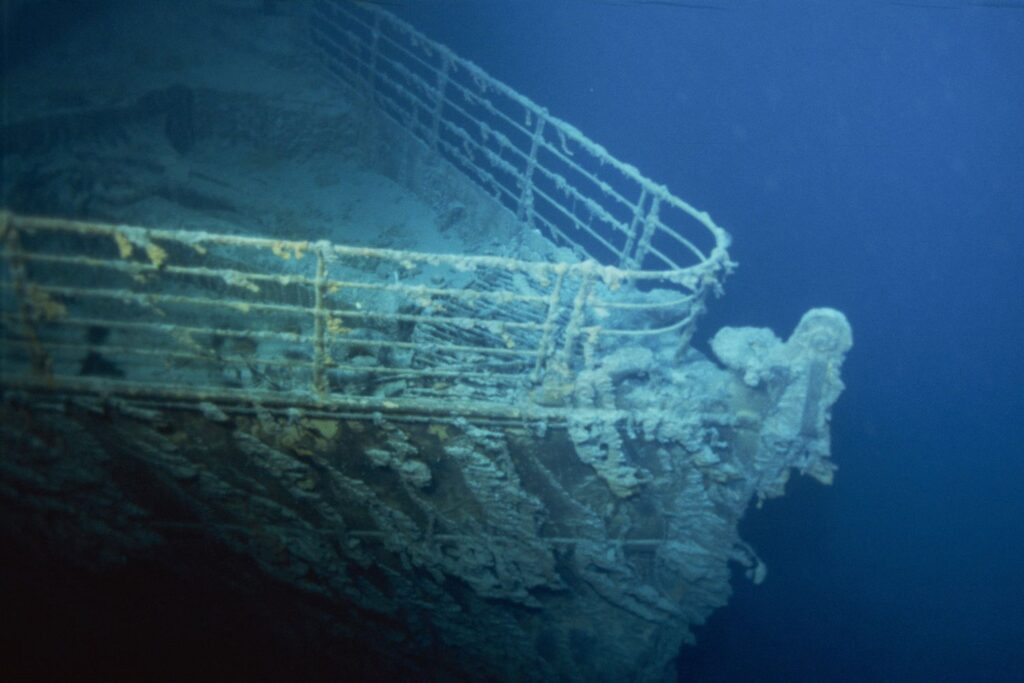
Additionally, bodies that may have been trapped within the wreckage faced the relentless activity of deep-sea scavengers, including fish and other organisms. These creatures would have efficiently consumed flesh, leaving behind no recognizable human remains. This phenomenon contrasts with the discovery of bones on older shipwrecks, prompting the question: why hasn’t the Titanic yielded similar finds?
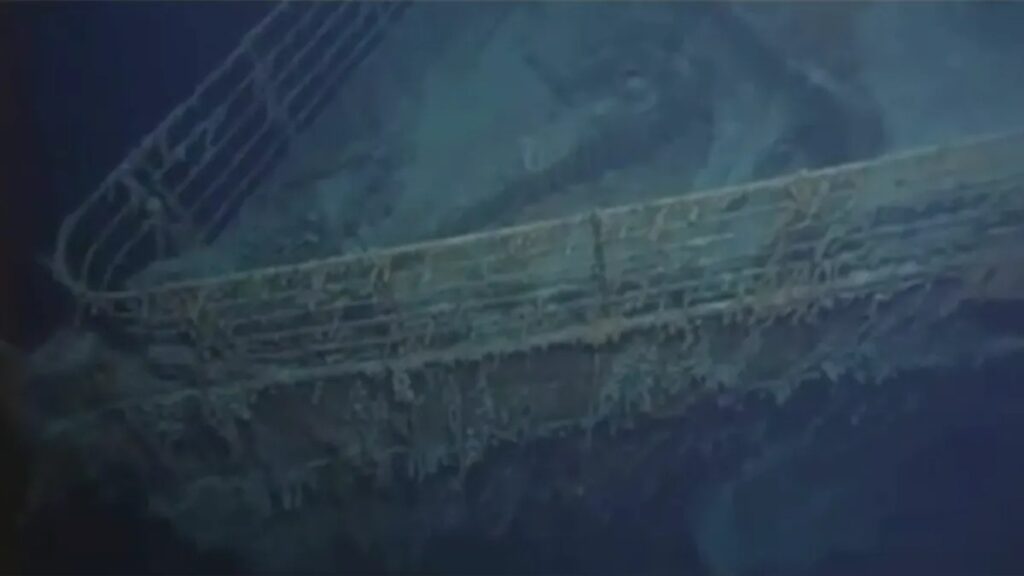
Deep-sea explorer Robert Ballard sheds light on this aspect, explaining the impact of depth on the preservation of bones. Beyond approximately 3,000 feet (914 meters), the ocean reaches what is known as the calcium carbonate compensation depth. In these depths, the water is undersaturated in calcium carbonate, a primary component of bones. On wrecks like the Titanic and the Bismarck, situated below this depth, scavengers consume the flesh, exposing bones that subsequently dissolve in the calcium-poor environment.
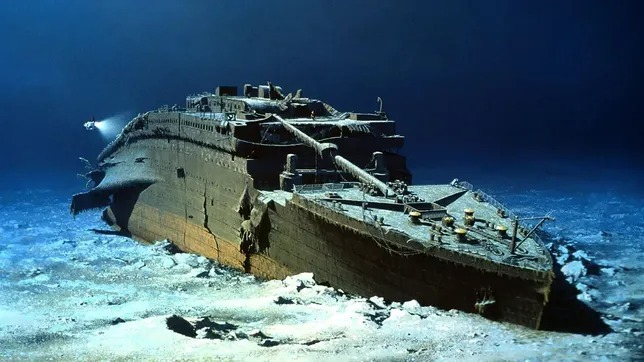
Despite speculation that sealed-off sections of the ship, such as the engine room, might harbor preserved bodies due to a lack of oxygen-rich water, the likelihood of finding recognizable remains 111 years after the tragic sinking diminishes. The mystery of the missing human remains inside the Titanic persists, adding another layer to the enduring fascination with this iconic maritime tragedy.

Filed Under: Trends Worldwide Tagged With: AdSense, calcium carbonate, calcium carbonate compensation depth, deep sea creatures, deep sea exploration, deep-sea exploration, deep-sea scavengers, human remains Titanic, oceanography, shipwreck discoveries, Titanic artifacts, Titanic conspiracy theories, Titanic deep sea exploration, Titanic facts, Titanic history, Titanic human remains, Titanic mystery, Titanic shipwreck

Reader Interactions

Leave a Reply Cancel reply

Your email address will not be published. Required fields are marked *

Primary Sidebar

More to See

Near the “Bison Crossing” sign, a wildlife photographer captures the perfect shot of bison crossing the road

By Hasan Jasim Editorial Team

This Breed of Bunny Walks on Its Front Legs and We Finally Know Why

By Hasan Jasim Editorial Team

Florida Man Arrested After Attempting To “Run To London” Across The Atlantic Ocean

By Hasan Jasim Editorial Team

Every week, The Dog Patiently Awaits The Arrival Of Her Favorite Garbage Man

By Hasan Jasim Editorial Team

What Would Happen if All the Bees Went Extinct

By Hasan Jasim Editorial Team

Groomer opens business late at night to save severely matted stray dog — the transformation is incredible

By Hasan Jasim Editorial Team

Pregnant creature — with ‘trapezoidal’ nostrils — found in India. It’s a new species

By Hasan Jasim Editorial Team

Footer

ABOUT HASANJASIM.ONLINE

Hasanjasim.online is a digital platform dedicated to publishing well-researched articles about the animal kingdom, nature, and the environment. Our editorial team works to source stories from credible outlets, scientific research, and verified reports, aiming to inform as much as we entertain. From wildlife conservation and animal behavior to natural wonders and environmental science, we cover the topics that help readers better understand and appreciate the natural world. Whether you're a lifelong nature lover or simply curious about the planet we share, Hasanjasim.online aims to be a trustworthy destination for stories worth reading — and worth citing.

Recent

  • A Rock in a California Creek Turned Out to Be an Ice Age Mastodon’s Tooth
  • Woman Frees Choking Deer From Backyard Soccer Net With Bare Hands After No One Answers Her Calls for Help
  • A Bizarre Discovery Has Revealed the Secrets of the Roman Empire’s Most Shocking Spectacle
  • A Suspected Rhino Poacher Was Trampled to Death by Elephants in Kruger National Park
  • Ten Lions Found Dead in Tanzania’s Ngorongoro Conservation Area, Poisoning Suspected
  • A Foster Puppy Shyly Asked Permission to Cuddle With a Much Bigger Dog — and Got It
  • The “World’s Worst” Bullfighter? Andrés Roca Rey Has Survived More Gorings Than Almost Anyone In The Sport

Search