• Skip to main content
  • Skip to primary sidebar
  • Skip to footer
  • Home
  • About Us
  • Copyright Report
  • Submit Content
  • Terms
  • Privacy Policy
  • Legal Disclaimer

Hasan Jasim

Hasan Jasim is a place where you may get entertainment, viral videos, trending material, and breaking news. For a social generation, we are the largest community on the planet.

Scientists Resurrecting Extinct Frog Could Be First Step to Jurassic Park Coming True

by Hasan Jasim Editorial Team Leave a Comment

ShareTweet

In a groundbreaking development, scientists at the University of New South Wales’ Lazarus Project have made strides in the realm of de-extinction by successfully reproducing the genome of an extinct Australian frog species, the gastric brooding frog. The species, which met its demise in 1983, was renowned for its unique reproductive behavior – it swallowed fertilized eggs, brooded its young in its stomach, and eventually gave birth to baby frogs through its mouth.

Image credit: Benjamin Healley

The Lazarus Project’s leader, Professor Mike Archer, revealed that the team extracted tissue from a frozen frog that had been deceased since the 1970s. This genetic material was then successfully implanted into an egg from a closely related frog species. Although none of the embryos survived beyond a few days, genetic tests confirmed the presence of the extinct frog’s genetic material in the dividing cells. This breakthrough has sparked optimism about the potential resurrection of other long-extinct species.

A Gastric Brooding Frog giving birth via its mouth. Photo: Professor Mike Tyler, University of Adelaide

Professor Archer expressed confidence that the challenges ahead are more technological than biological, hinting at the prospect of cloning other extinct creatures. The team has already embarked on cloning experiments for the Tasmanian tiger, which vanished in the 1930s. Despite setbacks, including the embryos failing to develop into tadpoles, the Lazarus Project remains determined to overcome these obstacles.
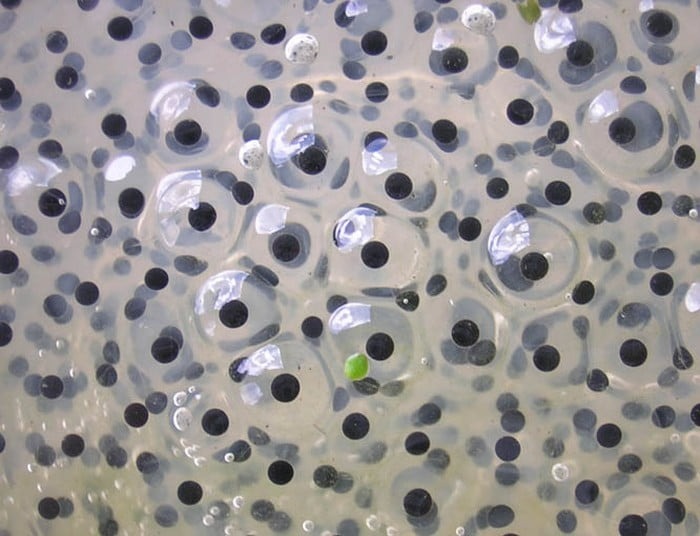
Frogspawn closeup. Image credit: Tarquin

In a statement to The Guardian, Professor Archer stated, “We are still hopeful that we will succeed and be able to bring this wonderful frog back to life within a few years.” He emphasized an ethical responsibility to reverse the harm humans have caused in contributing to the frog’s extinction.

However, the resurrection of extinct species raises crucial ethical questions. Should the focus be solely on reviving species that humans have directly driven to extinction, or should scientists venture into bringing back iconic creatures like the woolly mammoth? The prospect of de-extinction also leads to more profound considerations, such as the potential realization of a “Jurassic Park” scenario.

Gastric Brooding Frog photographed before it went extinct in 1983 Source

The Lazarus Project’s pursuit of resurrecting extinct species brings to the forefront the delicate balance between scientific advancement and ethical responsibility. As humanity navigates this uncharted territory, the ethical implications of de-extinction will continue to be a topic of significant discussion and debate. How far should we go in wielding the power to reverse extinction, and what consequences might arise from playing with the intricate web of life’s design? These are questions that demand thoughtful consideration as we tread cautiously into the realm of potentially rewriting the history of Earth’s biodiversity.

Filed Under: Trends Worldwide Tagged With: coming, could, extinct, first, frog, jurassic, park,, resurrecting, Scientists, step, trends, true, worldwide

Reader Interactions

Leave a Reply Cancel reply

Your email address will not be published. Required fields are marked *

Primary Sidebar

More to See

Puppy Waited Days For Family To Return For Him On Country Road After Being Left Behind

By Hasan Jasim Editorial Team

You Must Pick Only One House to Live in for the Rest of Your Life: What Your Choice Reveals About You

By Hasan Jasim Editorial Team

The Magnificent Shadow of Mt. Rainier: A Rare and Beautiful Phenomenon

By Hasan Jasim Editorial Team

A Wild Baby Rhino Approaches The Videographer And Asks For Belly Rubs.

By Hasan Jasim Editorial Team

2000-Year-old ‘Beware of Dog’ Sign Is Sure to Have Kept Unwanted Visitors Out

By Hasan Jasim Editorial Team

The Power of Nature: Stunning Photograph of Lightning Strike Seen from Aircraft Cockpit

By Hasan Jasim Editorial Team

Internet Discovers Snow for Winter-Loving Old Dog With Days to Live in the Middle of Summer

By Hasan Jasim Editorial Team

Footer

ABOUT HASANJASIM.ONLINE

Hasanjasim.online is a digital platform dedicated to publishing well-researched articles about the animal kingdom, nature, and the environment. Our editorial team works to source stories from credible outlets, scientific research, and verified reports, aiming to inform as much as we entertain. From wildlife conservation and animal behavior to natural wonders and environmental science, we cover the topics that help readers better understand and appreciate the natural world. Whether you're a lifelong nature lover or simply curious about the planet we share, Hasanjasim.online aims to be a trustworthy destination for stories worth reading — and worth citing.

Recent

  • Scientists Found Ancient Americans Living Where No Humans Should Have Been
  • This African Bird Wears Sunflowers Around Its Eyes — Meet the White-Crested Helmetshrike
  • 25 Animals You’ve Probably Never Heard Of — From a Cuban Land Snail to a Marsupial That Mates Itself to Death
  • Woman finds cow’s tooth in takeout taco. The chain says it can happen
  • Healthy Senior Dog Spared After Family Asked Veterinarians to Euthanize Her, Georgia Rescue Says
  • How People Around the World Write Laughter Online
  • The Disturbing Story Behind This Award-Winning Photojournalism Image

Search