
The idea that North America may be home to an undiscovered primate species has long fueled the fascination surrounding bigfoot. Despite the prevalence of high-quality cameras in the modern age, clear evidence of bigfoot has remained elusive. Nonetheless, a recent study by Floe Foxon has delved into the factors influencing the frequency of bigfoot sightings, revealing a compelling correlation with the local black bear population.
Floe Foxon’s analysis builds upon earlier work that suggested a connection between bear presence and bigfoot sightings, particularly in the Pacific Northwest. Unlike previous studies limited to specific regions, Foxon’s research spans the entire United States and Canada, providing a more comprehensive perspective.
The study relies on data from 2006, using a comprehensive, peer-reviewed dataset on black bear populations. The Bigfoot Field Researchers Organization’s geo-tagged database of reported sightings serves as a crucial resource for understanding the prevalence of bigfoot encounters. Additionally, human population data and estimates of forested areas from the Canadian and U.S. governments are incorporated into the analysis.
Foxon’s investigation employs two distinct models—one incorporating the local black bear population and the other excluding it. The model incorporating bears proves to be a superior fit, indicating that mistaken identity may play a pivotal role in bigfoot sightings.

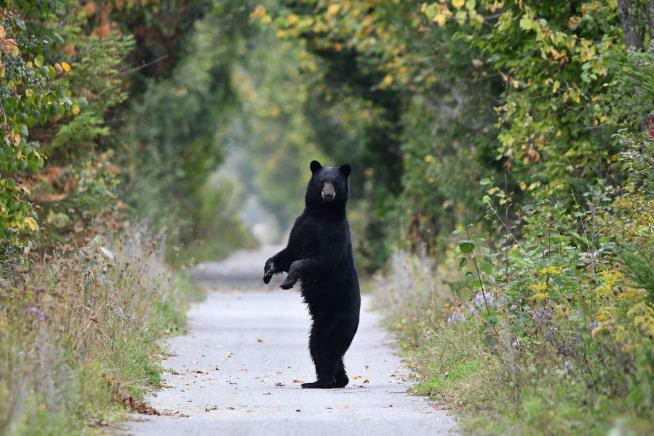
Notably, black bears and bigfoot share characteristics that could lead to misidentification. The bears’ diverse colorations, including golden brown, deep reddish hues, and the signature black, coupled with their large size and occasional bipedal stance, contribute to the potential confusion. Both creatures also share a preference for forested areas, further complicating the identification process.
Taking into account forested areas and human population density, Foxon’s findings suggest an intriguing correlation: roughly one bigfoot sighting for every 5,000 black bears. Furthermore, each additional 1,000 bears in an area corresponds to a 4 percent increase in the likelihood of a bigfoot sighting. This leads to the provocative conclusion that, in some instances, “if bigfoot is there, it could be a bear.”
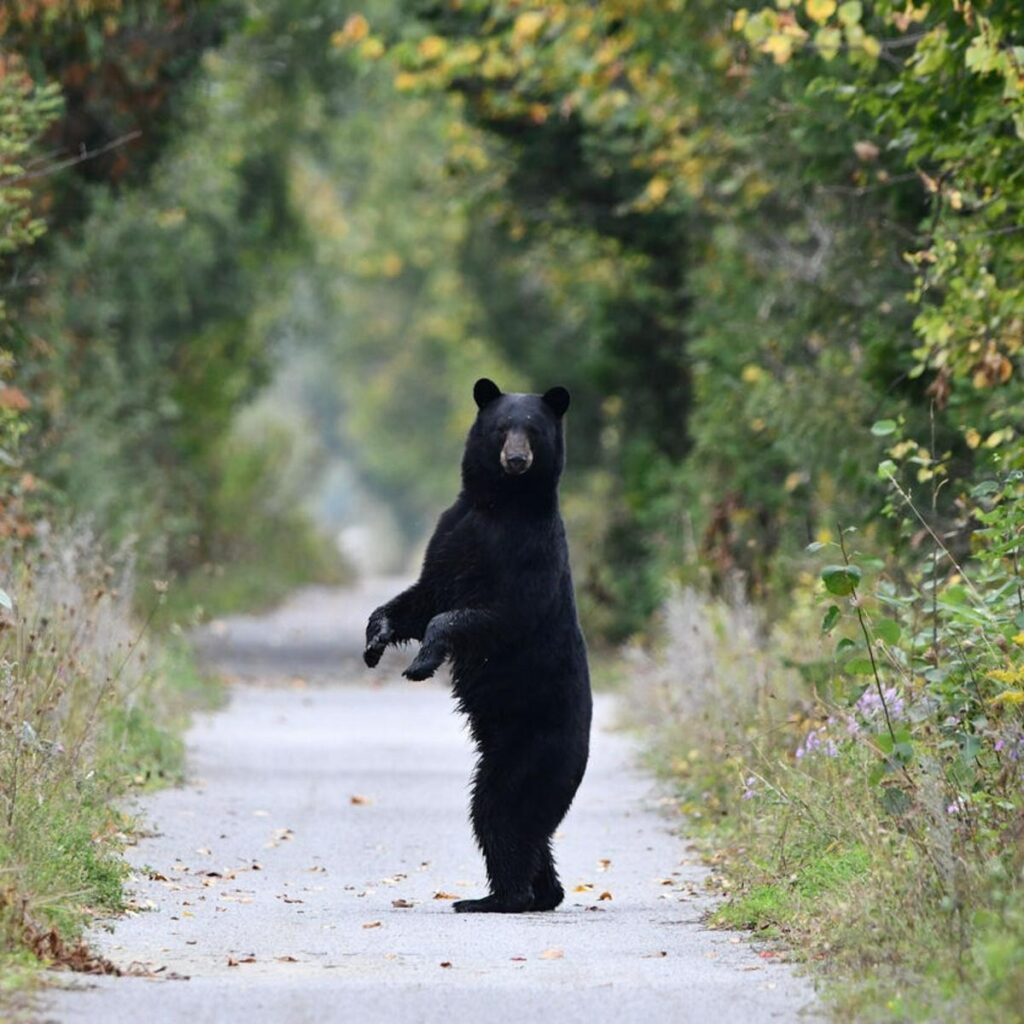
Despite these correlations, Foxon acknowledges that bears may not be the exclusive explanation for all bigfoot sightings. Some states lacking a known breeding bear population still report sightings, hinting at the influence of other factors. Human population levels also remain a consideration, potentially contributing to cases of mistaken identity and increasing the opportunities for sightings.
Beyond the realm of cryptozoology, Foxon’s study proposes an unexpected benefit for bear conservation. The frequency of bigfoot sightings could serve as a proxy measure for black bear populations, offering an independent method for tracking changes in their numbers. This unconventional approach could prove valuable in supporting conservation efforts for these majestic creatures.
In conclusion, Floe Foxon’s study adds a new layer to the ongoing mystery of bigfoot, revealing a surprising correlation with black bear populations. While the findings provide a plausible explanation for certain sightings, the enigma of bigfoot remains complex and multifaceted. The study encourages further exploration and discussion within the realms of cryptozoology and wildlife conservation.
Leave a Reply