
In the intricate tapestry of nature, the depth at which plants’ roots delve into the soil varies significantly. From the superficial roots of cultivated crops to the profound networks of perennials, each plant species navigates the subterranean realm in its unique way, shaping ecosystems and influencing the processes of ecological succession.
Cultivated agriculture, characterized by its reliance on annual crops, often features plants with shallow root systems. These superficial roots serve the immediate needs of the plants, drawing nutrients and water from the upper layers of soil. In contrast, perennials, with their longevity and resilience, boast deep-reaching root networks that anchor them firmly in the earth. These extensive root systems delve deep into the soil, tapping into hidden reserves of moisture and nutrients, enabling perennials to thrive in diverse environmental conditions.
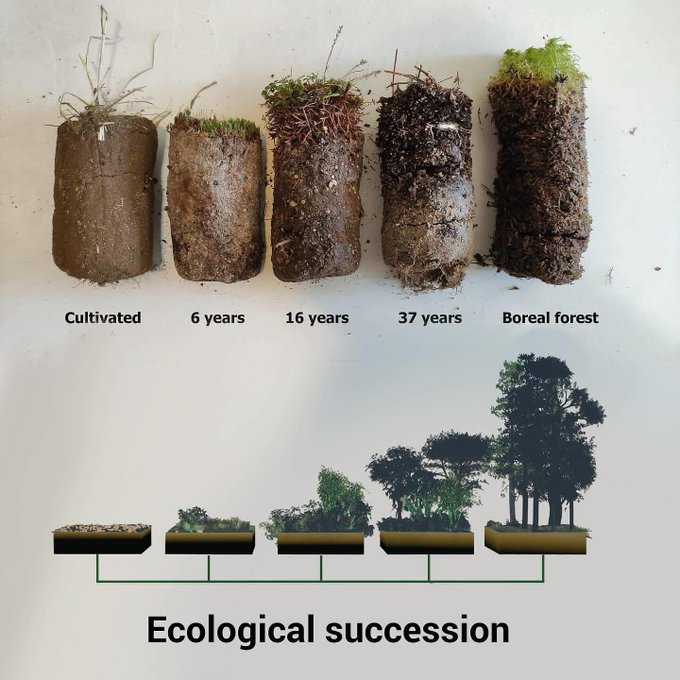
Ecological Succession & Soil Building
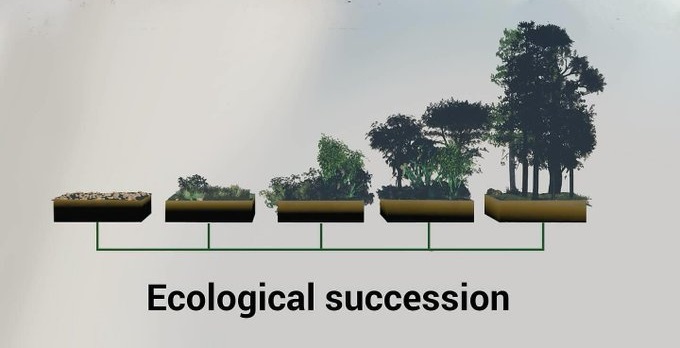
Central to understanding the dynamics of plant roots is the concept of ecological succession, a gradual process of change in ecosystems over time. This transformative journey unfolds in distinct stages, each characterized by shifts in species composition and the development of soil structure.
- Community Creation: At the onset of ecological succession, pioneering plant communities establish themselves, creating conditions that pave the way for subsequent species to thrive. These early colonizers play a crucial role in shaping the habitat for future inhabitants.
- Soil Formation: As plant biomass accumulates and decomposes over time, the process of soil formation ensues. Gradually, organic matter breaks down, enriching the soil with essential nutrients and fostering microbial activity. This biological activity contributes to the development of soil structure, laying the foundation for ecosystem resilience.
- Climax Community: With the maturation of soil and the availability of nutrients, a climax community emerges—a stable ecosystem that represents the pinnacle of ecological succession. This climax community, such as a mature forest or grassland, persists until disrupted by novel disturbances.
- Microbial Consortia: Throughout the journey of ecological succession, microbial consortia play a pivotal role in soil development. In agricultural soils subjected to regular tillage, bacterial populations dominate, reflecting their resilience to disturbances. In grassland ecosystems, a balance between bacteria and fungi prevails, while forest soils are characterized by the prevalence of fungal communities. These microbial dynamics influence nutrient cycling and soil health, shaping the trajectory of ecological succession.
Challenges and Opportunities
Despite the inherent resilience of natural ecosystems, modern agricultural practices pose significant challenges to soil health and ecological balance. The intensification of agriculture, marked by monoculture cultivation and excessive soil disturbance, threatens soil organic carbon levels and disrupts nutrient cycling processes.
However, amidst these challenges, a ray of hope emerges in the form of regenerative farming practices. By embracing principles of soil conservation and biodiversity restoration, regenerative agriculture seeks to mimic natural ecological processes, fostering soil regeneration and resilience. Through techniques such as minimal tillage, cover cropping, and crop rotation, regenerative farmers work in harmony with nature, preserving soil structure and promoting long-term sustainability.
Exploring the Depths: A Glimpse into Soil Regeneration
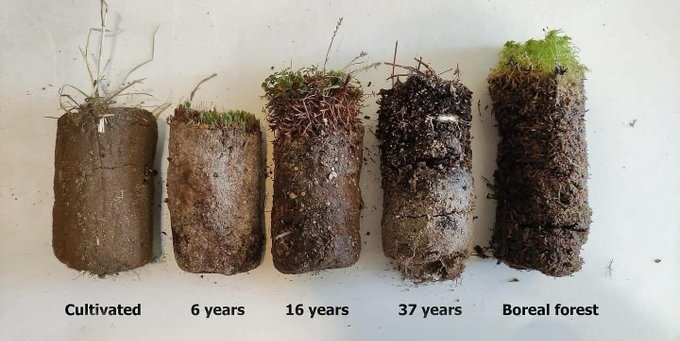
As we delve into the depths of ecological succession, we encounter the tangible manifestations of soil regeneration. Soil cores extracted from regenerating boreal forests offer glimpses into the intricate layers of litter and humus that accumulate over time, marking the gradual transition from disturbed landscapes to thriving ecosystems. These soil profiles serve as living testaments to the resilience of nature and the potential for regeneration in even the most degraded environments.
In conclusion, the depth of plant roots and the process of ecological succession are intrinsically linked, shaping the landscapes we inhabit and influencing the vitality of ecosystems. By embracing principles of sustainability and stewardship, we can nurture the intricate web of life that sustains us, ensuring a harmonious coexistence with nature for generations to come.
Leave a Reply