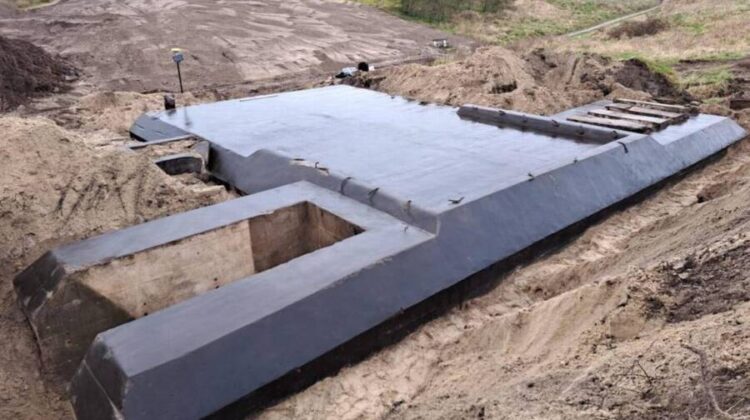
Workers removing invasive plants during a dune restoration project in Knokke, Belgium’s Willemspark discovered three World War II bunkers just inches beneath the sand.
Archaeologists have discovered three World War II bunkers and several other artifacts from the era at Willemspark in Knokke, Belgium.
The coastal town of Knokke is about 70 miles northwest of the capital city of Brussels. During World War II, the area was part of a German stronghold, boasting over 60 structures to protect the coast from an Allied attack.
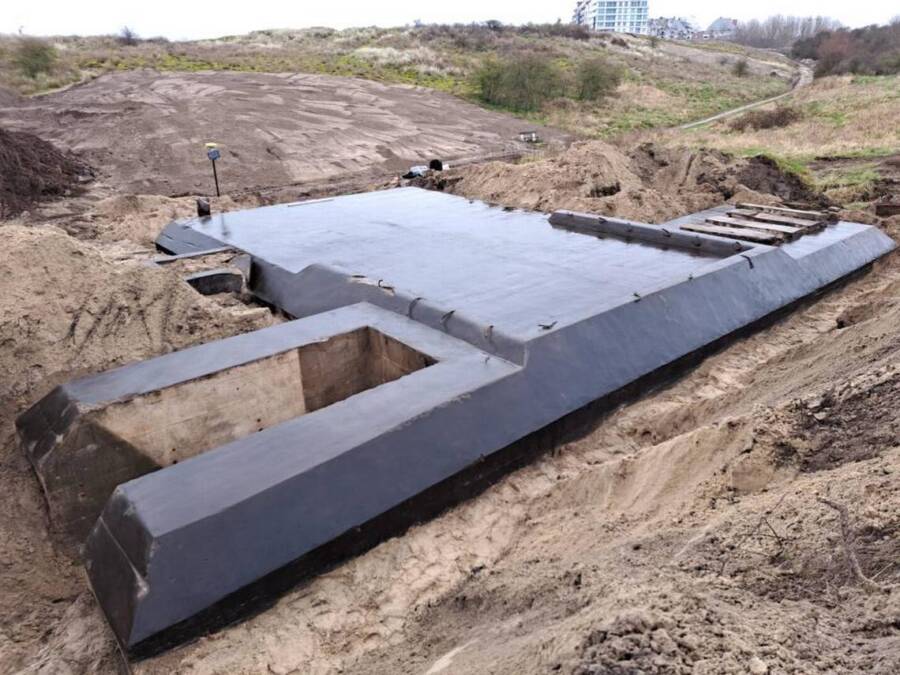
Researchers are hopeful that they will make further discoveries in this region, thus enriching Belgium’s historical heritage.
A Nature Preservation Team Makes A Unexpected Discovery
The discovery was made when a team from the Agency for Nature and Forests — part of a European project called LIFE DUNIAS — came to the area to restore sand dunes. Part of the operation involved removing invasive plant species.
During the course of the project, the team stumbled on a large concrete bunker buried in the sand. Knowing that the area was a hotspot during World War II, the workers contacted archaeologists from the Immovable Heritage Agency to continue the dig.
“We knew that we would find remains from the war there,” archaeologist Sam De Decker told VRT NWS, a Flemish news site. “We also knew that there had to be a bunker there. But what we found here is much larger.”
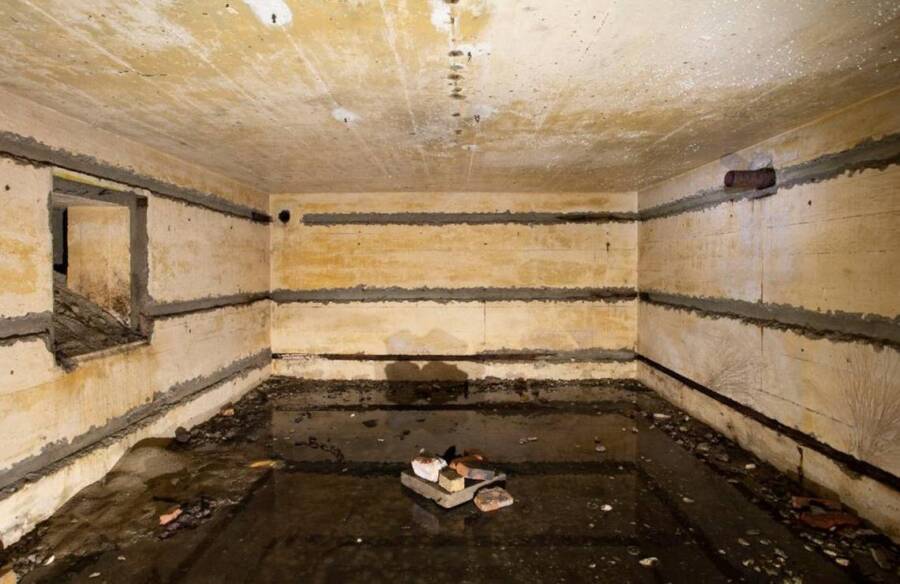
Below the sand were three single-room bunkers, each measuring around 20 feet by 23 feet. Their walls were made of three-foot-thick reinforced concrete, and their only entrances were on their roofs.
Inside the bunkers, archaeologists found bricks and other scraps lying in shallow pools of water.
However, the archaeological team did not stop their research at the bunkers. Instead, they committed to fully excavating the nearby area for further World War II findings.
Revealing The Brutality Of War
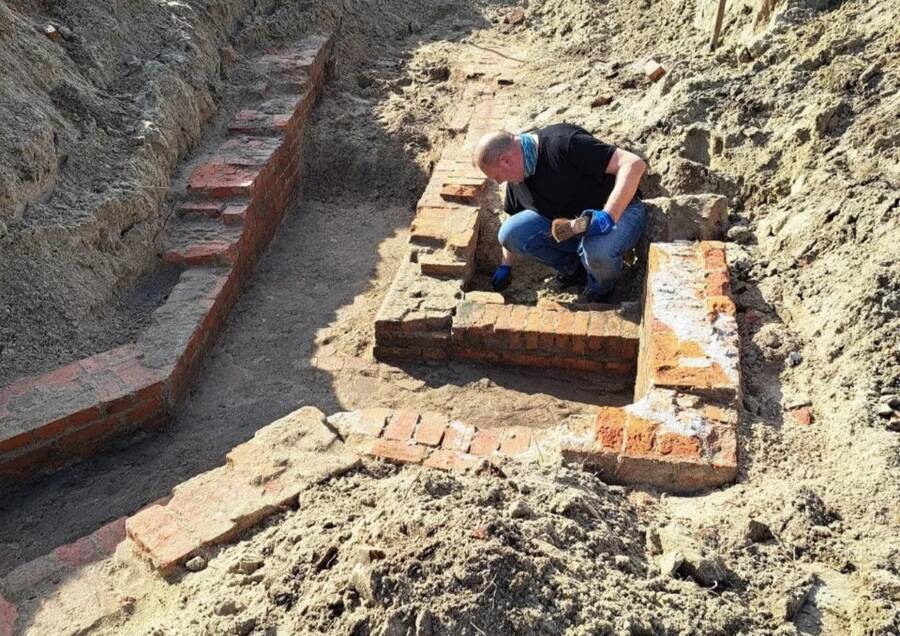
The bunkers were part of the Atlantic Wall, a German line of defense meant to protect the coast from invasion. Archaeologists also discovered two brick trenches, a water well, and part of a concrete path at the site.
Nearly all of the structures in the area date to between 1942 and 1945. Unfortunately, researchers did not find any artifacts from World War I, when other bunkers, trenches, and artillery batteries were built on the site.
In the early 1940s, German forces built the Stützpunkt Heyst, a stronghold of 60 structures along the Atlantic Wall on Belgium’s northern coast. All of these structures, including heavy artillery emplacements and an anti-tank barrier, made Stützpunkt Heyst an impenetrable barrier, according to the town’s press release.
After the conflict ended in 1945, however, locals quite literally decided to bury the area’s history, covering the structures in layers of sand.
Now, for the first time since the war, these structures are seeing the light of day.
“It is surprising that so many people have already forgotten that a war raged here 80 years ago,” De Decker stated to VRT NWS. “We want to pass on the history of the Atlantic Wall to the general public again. The dunes were fully built back then. Beautiful or ugly, they largely determine the appearance of the contemporary dune landscape and are an inseparable part of our collective past.”
The archaeological team will continue to excavate the area, and they are hopeful that they will make even more discoveries.
“Once we have dug along the entire coast, it will probably take four more winters. We’ve [already] discovered an incredible amount,” De Decker concluded.
Leave a Reply