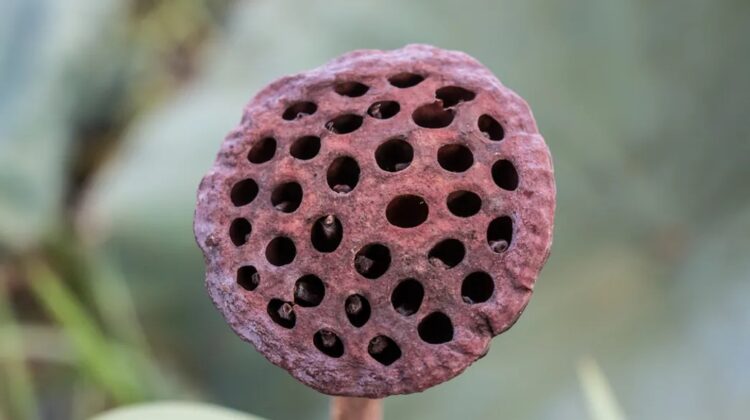
For many people, a simple image of clustered holes may seem harmless. But for those who experience trypophobia, patterns such as honeycombs, sponge textures, seed pods, or groups of small circles can trigger intense feelings of fear, discomfort, anxiety, and even physical reactions.
Now, scientists believe they may have uncovered the reason behind this unusual reaction — and the answer could be linked to one of humanity’s oldest survival instincts.
Researchers from the University of Kent in the United Kingdom suggest that trypophobia may not simply be an irrational fear of shapes. Instead, it could be an exaggerated version of an evolutionary defense mechanism designed to protect humans from parasites, infections, and disease.
In a study published in the journal Cognition and Emotion, psychologists investigated whether people with trypophobia were reacting to these patterns because they subconsciously associated them with signs of illness.
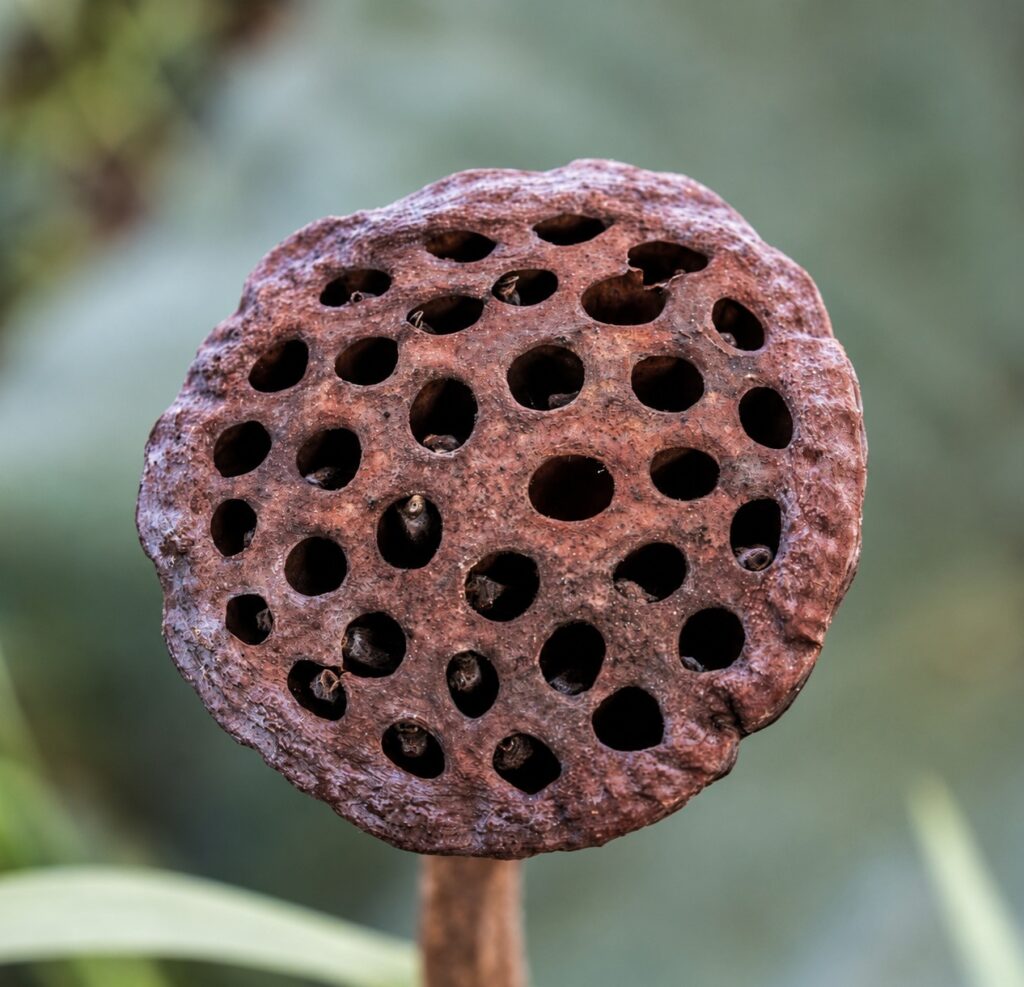
The researchers explained that many dangerous diseases and parasites create patterns that resemble clusters of holes or bumps on the skin. Conditions such as smallpox, measles, rubella, and certain parasitic infections can produce circular marks or grouped patterns that may have historically signaled danger.
The human brain has evolved to quickly recognize potential threats. Feelings of disgust toward rotten smells, bodily fluids, or signs of infection may have helped our ancestors avoid sources of disease. Scientists believe trypophobia could be connected to the same protective system, but activated by harmless objects that resemble possible threats.
To investigate the theory, researchers studied more than 600 participants, including people who identified as having trypophobia and people who did not. They showed participants 16 different images containing clustered patterns.
Half of the images were connected to disease or parasites, such as infected skin, rashes, and ticks attached to animals. The other half showed harmless objects, including holes in walls and natural patterns like seed pods.
The results revealed that both groups reacted negatively to images associated with real diseases. However, only people with trypophobia experienced strong discomfort when viewing harmless clustered patterns.
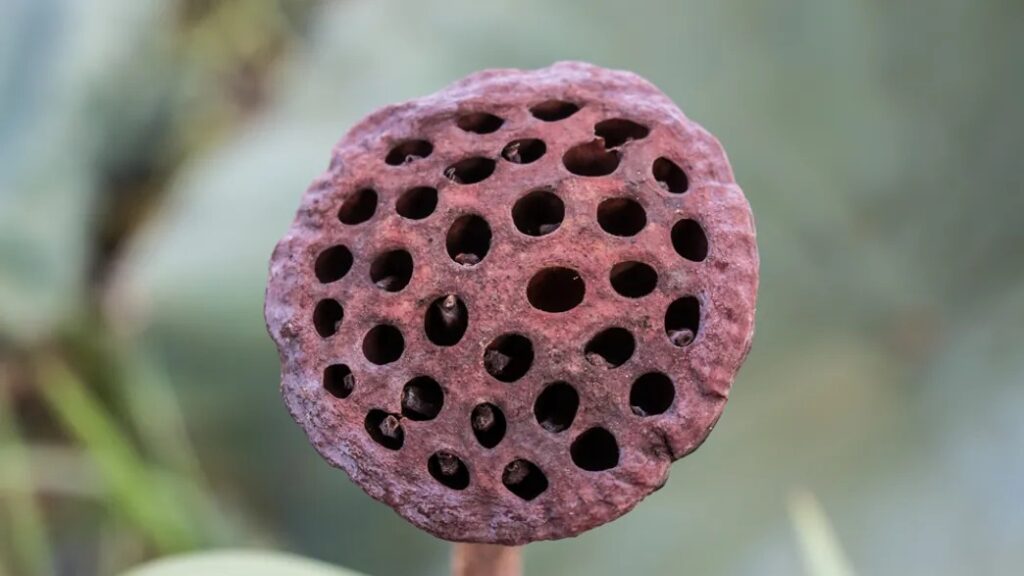
Participants with trypophobia reported sensations including disgust, nausea, itching, skin crawling, and the feeling that insects were moving across their bodies. These reactions suggest that their brains may interpret certain visual patterns as warning signs of contamination or infection, even when there is no actual danger.
Scientists believe the condition may represent an overactive version of a normal survival response. A brain that is highly sensitive to possible threats may mistake harmless patterns for signals of parasites or disease.
Although trypophobia is not officially classified as a standalone mental disorder in many medical systems, researchers continue to study why certain visual patterns can create such powerful emotional reactions.
The discovery provides a fascinating insight into how the human brain processes fear and disgust — showing that sometimes our strongest reactions are not caused by what we know is dangerous, but by what our ancient instincts believe might be.
Understanding unusual fears such as trypophobia helps researchers explore how the human brain responds to threats, stress, and environmental signals. Learning about anxiety responses, emotional triggers, and psychological health can help people recognize their own reactions and seek appropriate support when fears begin affecting daily life.
Leave a Reply