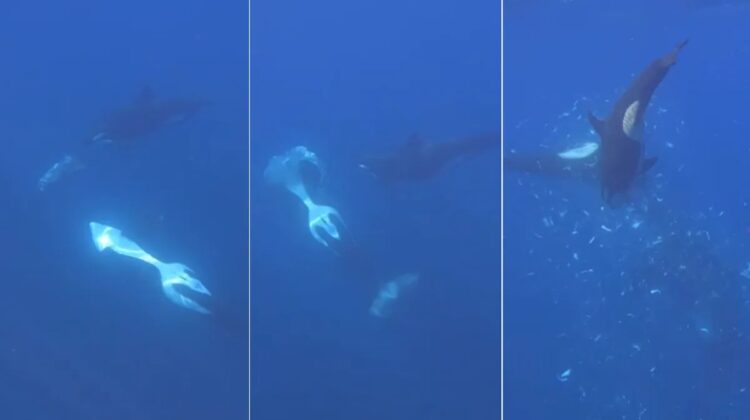
Orcas are already known as some of the ocean’s most intelligent and adaptable predators, but scientists have now documented a hunting behavior unlike anything previously recorded. Researchers observed killer whales deliberately ramming giant sunfish with such force that the fish shattered into countless pieces, creating what they described as a spectacular underwater explosion.
The newly documented behavior, named “ram-to-fragment,” was observed in the Gulf of California during two separate encounters involving sharptail sunfish (Masturus lanceolatus). The findings suggest that orcas may have developed an innovative technique for processing large prey before eating it.
In the first observation, recorded in July 2024, researchers watched a pod of orcas that included an adult male, an adult female, and a juvenile. After successfully killing a large sunfish, the female held the fish by its tail fin before releasing it at precisely the right moment. An adult male then charged at high speed, slamming into the carcass with tremendous force.
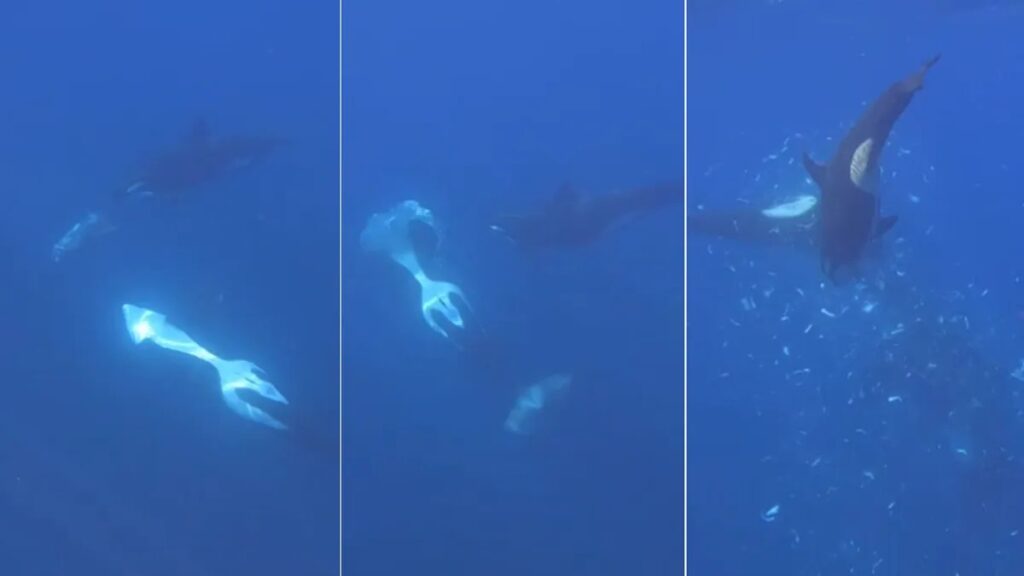
Image credit: Screengrab from K Ayres et al (2026), Frontiers in Ethology (CC BY 4.0)
The impact caused the sunfish to burst apart, scattering thousands of fragments through the surrounding water. While the adult whales consumed the larger pieces, the juvenile eagerly collected the smaller fragments drifting nearby.
A remarkably similar event was filmed again in September 2025, suggesting the behavior may not have been an isolated incident. In both cases, the sunfish had already been killed before being rammed, indicating the technique is used for food processing rather than hunting itself.
Scientists believe the strategy may make large prey easier to divide among members of the pod, particularly younger whales that might struggle to tear apart massive fish on their own. Orcas are highly social animals that frequently share food and cooperate while hunting, making this explanation consistent with their well-known family-oriented behavior.
However, researchers have not ruled out another possibility.
Orcas are famous for their curiosity and playful nature, often interacting with prey in unexpected ways. Some scientists suggest the dramatic smashing behavior could also serve as a form of play or practice, especially since killer whales are known to manipulate prey even after it has died.
The discovery highlights the extraordinary intelligence of orcas, whose hunting techniques continue to surprise marine biologists. Around the world, different populations have developed unique traditions, from creating waves to wash seals off ice floes to intentionally beaching themselves to capture prey along shorelines.
The newly observed “ram-to-fragment” technique adds another remarkable example to the growing list of specialized behaviors passed through generations of killer whales.
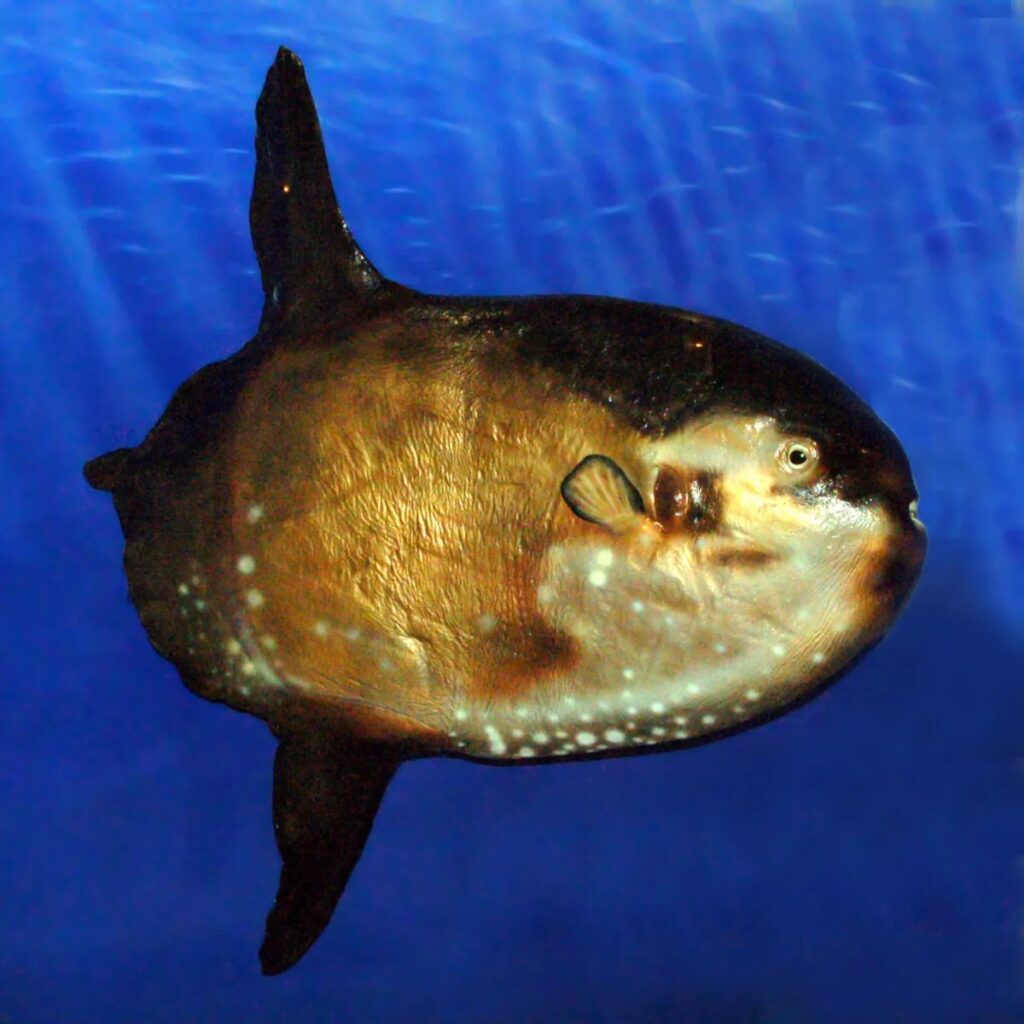
Image credit: Hectonichus CC BY-SA 3.0 via Wikimedia Commons
Researchers say additional observations will be needed to determine whether this feeding strategy is unique to a single pod, common among other orca populations, or specifically adapted for handling giant sunfish.
For now, the discovery offers another glimpse into the complex lives of one of the ocean’s most sophisticated predators—animals that continue to demonstrate impressive problem-solving skills, teamwork, and behavioral innovation in the wild.
Studying the feeding strategies of apex predators like orcas helps scientists better understand animal intelligence, social learning, and the health of marine ecosystems. Every newly discovered behavior provides valuable clues about how wildlife adapts to changing environments, improving conservation efforts for both predators and their ocean habitats.
Leave a Reply