When most people imagine whales, they picture enormous creatures with smooth, shiny skin moving silently through the ocean. Unlike seals or sea otters, whales do not appear to have fur, which raises an interesting question: do whales actually have hair?
The surprising answer is yes — but only in very small amounts, and the story is more complicated than it seems.
Whales, dolphins, and porpoises belong to a group of marine mammals called cetaceans. Like all mammals, they share certain biological features, including the ability to produce milk for their young and, at some stage of their lives, having hair.
However, millions of years of evolution have transformed whales from land-dwelling mammals into ocean specialists. Their ancestors once walked on land, but as they adapted to life in water, thick body hair became unnecessary. Instead, whales developed a thick layer of insulating fat called blubber to help them survive in cold oceans.
Despite their smooth appearance, some whales still have tiny hairs or hair follicles.
Scientists divide whales into two main groups: baleen whales and toothed whales.
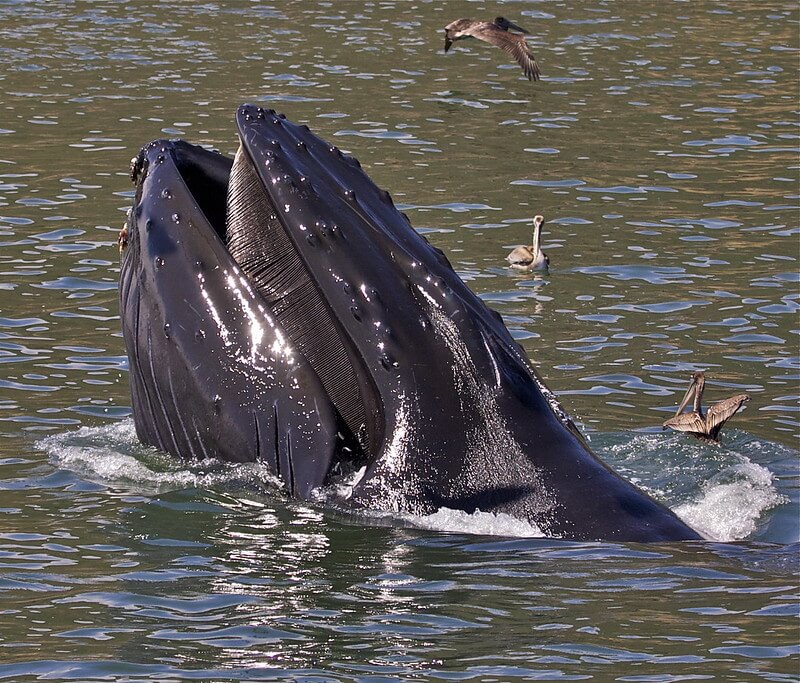
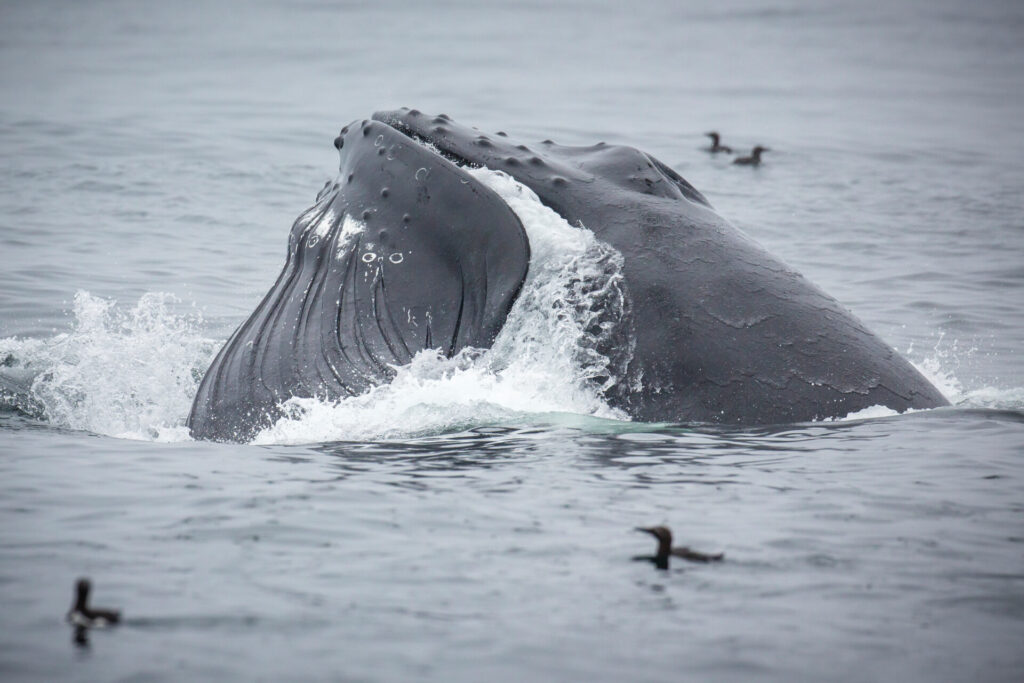
Baleen whales, including humpback whales, fin whales, and bowhead whales, do not have visible coats of hair. However, researchers have discovered small hair follicles around their jaws, chins, and the tops of their heads. Some species may have dozens of tiny hairs in these areas.
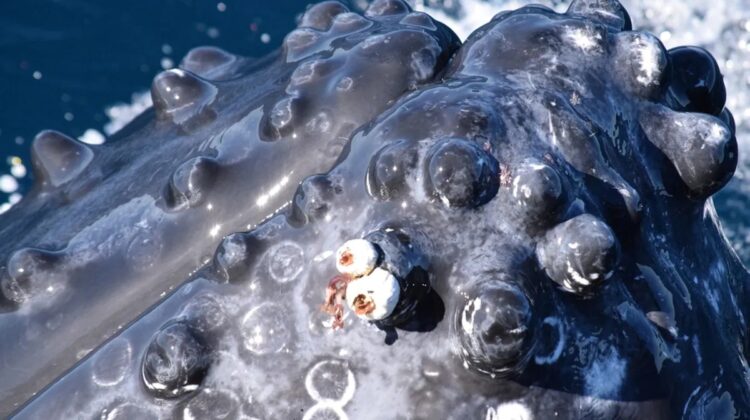
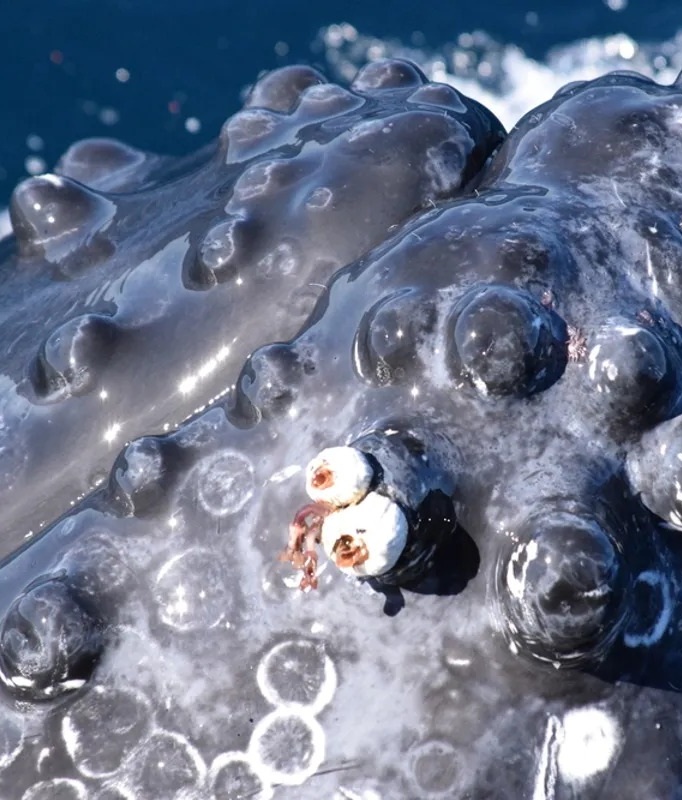
Humpback whales are among the most fascinating examples. The large bumps on their heads, known as tubercles, each contain a hair follicle. In some adult humpbacks, a small hair can still grow from these bumps.
Toothed whales, which include dolphins, sperm whales, and killer whales, also show evidence of hair, especially early in life. Many newborn calves are born with small hairs around their snouts, which usually disappear shortly after birth.
One unusual exception is the Amazon river dolphin, also known as the boto. Unlike most cetaceans, this dolphin keeps stiff hairs on its beak throughout its life. Scientists believe these hairs may help the dolphin locate prey in the dark, muddy waters of rivers by detecting movement and vibrations.
So why do whales still have hair if they no longer need it for warmth?
Scientists are not completely sure, but several theories exist. Some researchers believe whale hair is a leftover feature inherited from their ancient land-based ancestors. Others suggest that these tiny hairs may have sensory functions, helping whales detect changes in water pressure, movement, or their surroundings.
Research has shown that certain whales may use their remaining hairs in specialized ways. For example, studies suggest that some Antarctic whales may use chin hairs to sense the boundary between water, air, and ice in their environment.
Bowhead whales appear to be among the hairiest modern whales. Although most of their bodies are hairless, they have patches containing hundreds of hairs around their chin and the top of their heads. Scientists believe these areas may serve important sensory purposes.
Hair may also play a role in communication between mothers and calves. Since young whales are often born with small hairs, these structures could help calves interact with their mothers during early development.
The next time you see a whale breaching from the ocean, remember that beneath that smooth surface is a fascinating reminder of its ancient past. These ocean giants may look completely different from their land ancestors, but tiny traces of their evolutionary history are still written into their skin.
Whales are a remarkable example of how animals adapt to changing environments over millions of years. Their transformation from land mammals into ocean giants provides important clues about evolution, marine biology, and the relationship between genetics and survival. Understanding marine mammals also helps researchers protect endangered species and preserve the health of ocean ecosystems.
Leave a Reply