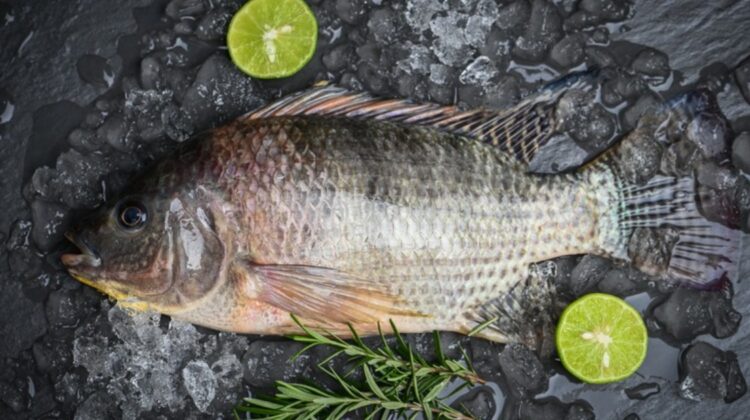
Tilapia is one of the most widely consumed fish in the world. Its mild flavor, affordability, and availability have made it a staple on dinner tables across many countries. However, in recent years, nutritionists and food safety experts have raised questions about whether tilapia truly deserves its “healthy fish” reputation.
The issue isn’t that tilapia is inherently toxic or unsafe — but how it is farmed, its nutritional profile, and how it compares to better fish options.
What Exactly Is Tilapia?
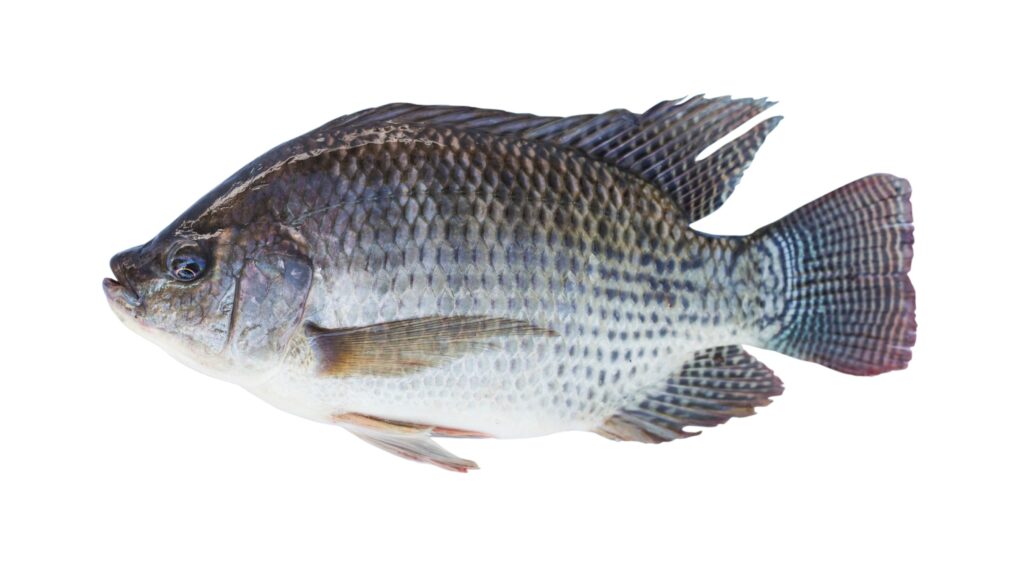
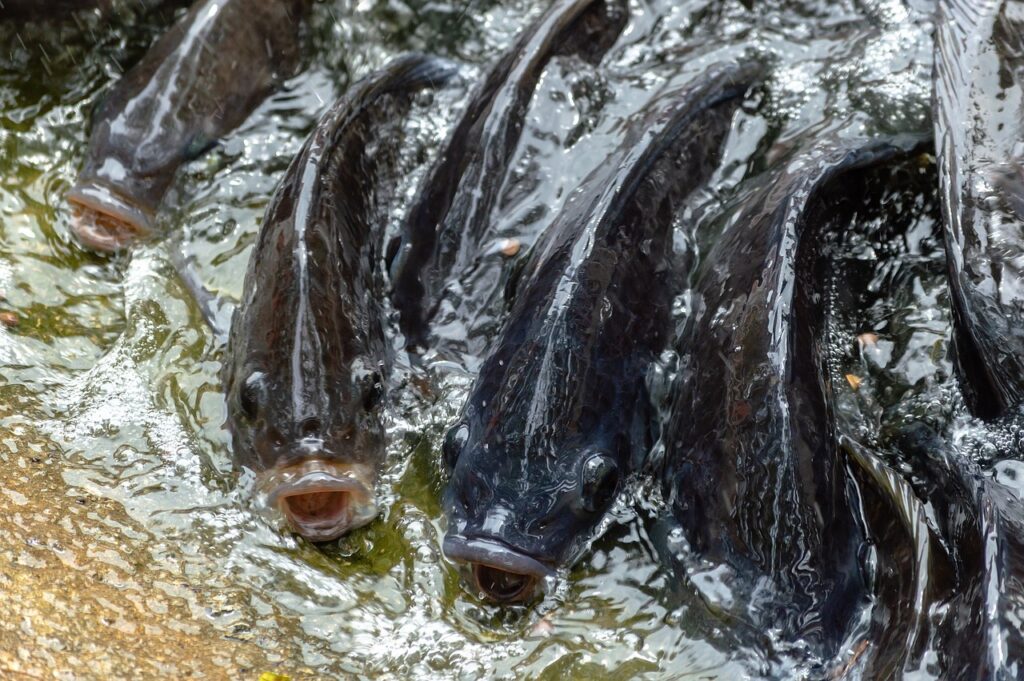
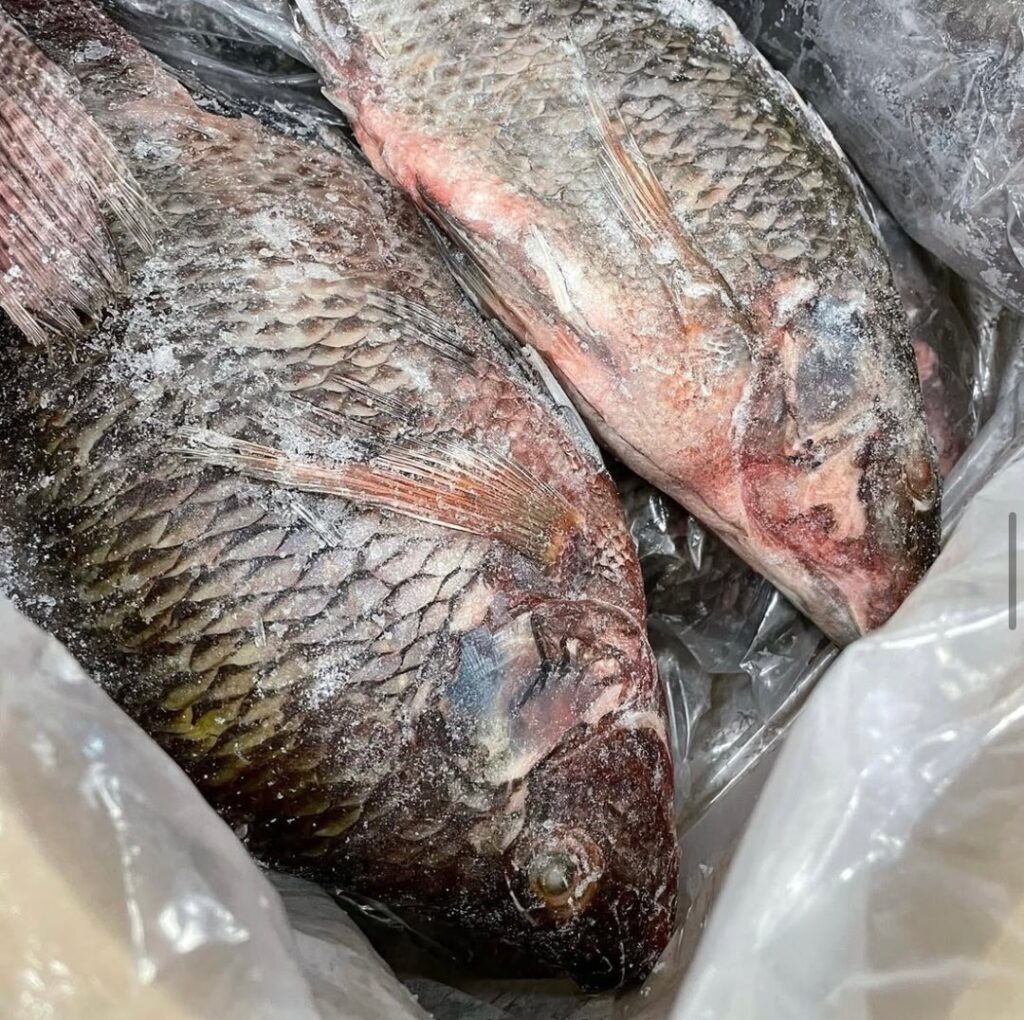
Tilapia is a freshwater fish often referred to as the “chicken of the seafood world” due to how quickly and cheaply it can be farmed. This efficiency makes it attractive to producers and consumers alike, but it also raises concerns about farming conditions and quality control.
The majority of tilapia sold globally is farm-raised, not wild-caught.
Understanding Dioxins and Fish Safety (Without Fearmongering)
Dioxins are a group of environmental pollutants that can accumulate in animal fat, including fish, meat, and dairy products. They are not exclusive to tilapia and are found in varying amounts across the food chain, primarily due to industrial pollution.
Important clarification:
- Tilapia is not uniquely high in dioxins
- Dioxin exposure depends on farming conditions, water quality, and regional regulation
- Well-regulated aquaculture systems monitor contaminant levels closely
That said, long-term exposure to high levels of dioxins (from any food source) has been associated with health risks, including immune and hormonal disruption. This is why food safety standards and sourcing matter.
Health Considerations Linked to Poorly Sourced Fish
When fish are raised in poorly regulated environments, potential concerns may include:
- Exposure to environmental pollutants
- Use of antibiotics in overcrowded farms
- Accumulation of undesirable substances from contaminated feed or water
These risks are not exclusive to tilapia, but they tend to be higher in regions with weak food safety oversight.
The Real Nutritional Issue With Tilapia
1. Unbalanced Fat Profile
Tilapia is low in omega-3 fatty acids — the heart-protective fats found in fish like salmon and sardines — and relatively higher in omega-6 fats.
A diet overly high in omega-6 and low in omega-3 may contribute to inflammation when not balanced properly.
2. Limited Nutritional Advantage
While tilapia is a solid source of lean protein, it contains:
- Less omega-3
- Less vitamin D
- Fewer anti-inflammatory compounds
Compared to fatty fish such as salmon, mackerel, trout, or herring, tilapia offers fewer long-term cardiovascular benefits.
3. Farming Practices Matter
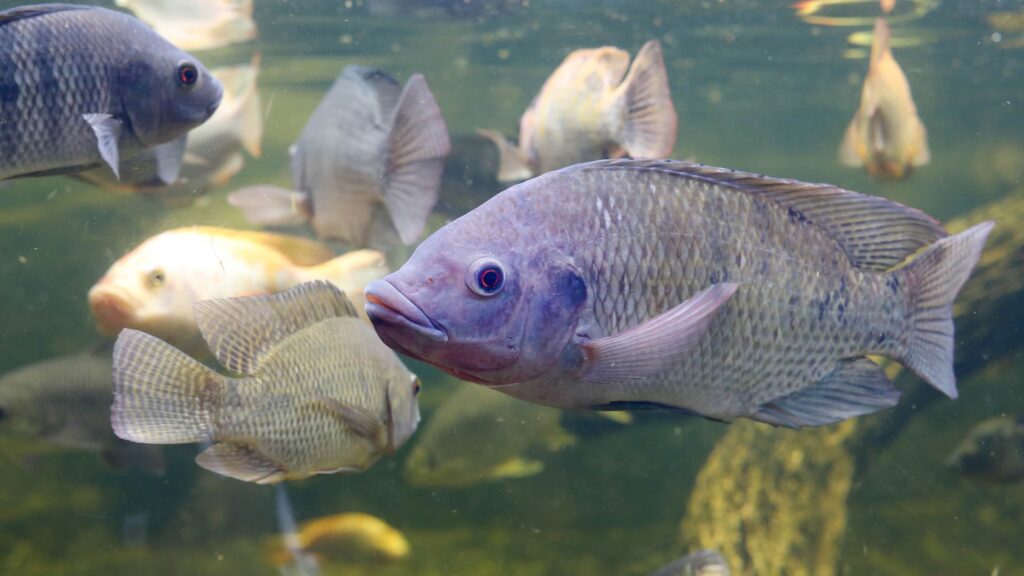
Most concerns surrounding tilapia are linked to how and where it’s farmed, not the fish itself. Reputable farms with clean water, controlled feed, and strict regulations can produce safe tilapia — but not all farms meet those standards.
Should You Stop Eating Tilapia?
Not necessarily — but moderation and sourcing are key.
✔️ Tilapia is not “toxic” by default
✔️ It can be part of a balanced diet
❌ It should not be your primary fish source if you’re eating fish for omega-3 benefits
Better Fish Alternatives for Health
If your goal is maximum nutritional value, consider rotating in:
- Wild-caught salmon
- Sardines
- Mackerel
- Herring
- Trout
These fish provide significantly higher omega-3 levels and stronger cardiovascular support.
How to Make Smarter Seafood Choices
- Read product labels carefully
- Choose fish from reputable, well-regulated sources
- Avoid fish with unclear origin labeling
- Diversify your seafood intake instead of relying on one species
- Use trusted seafood sustainability guides
Final Verdict
Tilapia isn’t the worst fish you can eat — but it’s also not the best. Its popularity comes from affordability and mild taste, not superior nutrition. When consumed occasionally and sourced responsibly, it’s generally safe. However, for long-term health benefits, especially heart and anti-inflammatory support, other fish choices are simply better.
In nutrition, context always matters more than headlines.
Leave a Reply