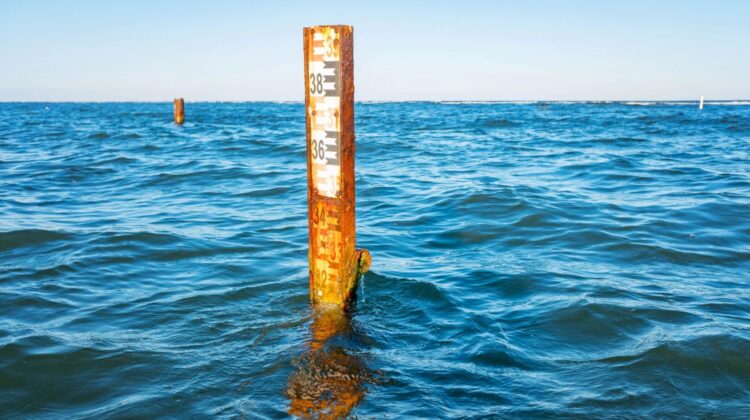
Scientists are raising serious concerns about the accelerating rise in sea levels, warning that coastal regions may be facing a long-term environmental crisis that is already unfolding.
New research shows that some coastal areas are experiencing sea level increases at rates far above the global average — a trend that could reshape communities, infrastructure, and ecosystems in the coming years.
What’s Happening?
Recent data indicates that parts of the U.S. coastline, particularly along the Gulf of Mexico and southeastern regions, have seen rapid sea level rise since 2010.
In some areas, water levels have increased by six to eight inches in just over a decade, which is significantly faster than the global average.
While many people associate rising water levels with extreme events like hurricanes, experts say the real threat may come from something less obvious.
Instead of dramatic storms, frequent smaller-scale environmental changes are gradually pushing water levels higher over time. This slow but steady rise can be more damaging in the long run because it continuously affects coastal infrastructure and daily life.
A Growing Long-Term Threat
Scientists describe this trend as unusual and deeply concerning. Once sea levels rise, they do not easily reverse.
Warmer global temperatures play a major role in this process. As oceans heat up, water expands — contributing directly to higher sea levels. In addition, melting ice from glaciers and polar regions adds more water to the oceans.
Experts warn that these changes are not temporary. Even if the rate of increase slows in the future, the overall rise in sea levels is expected to continue.
Why This Matters
The consequences of rising sea levels are already being felt in many coastal communities.
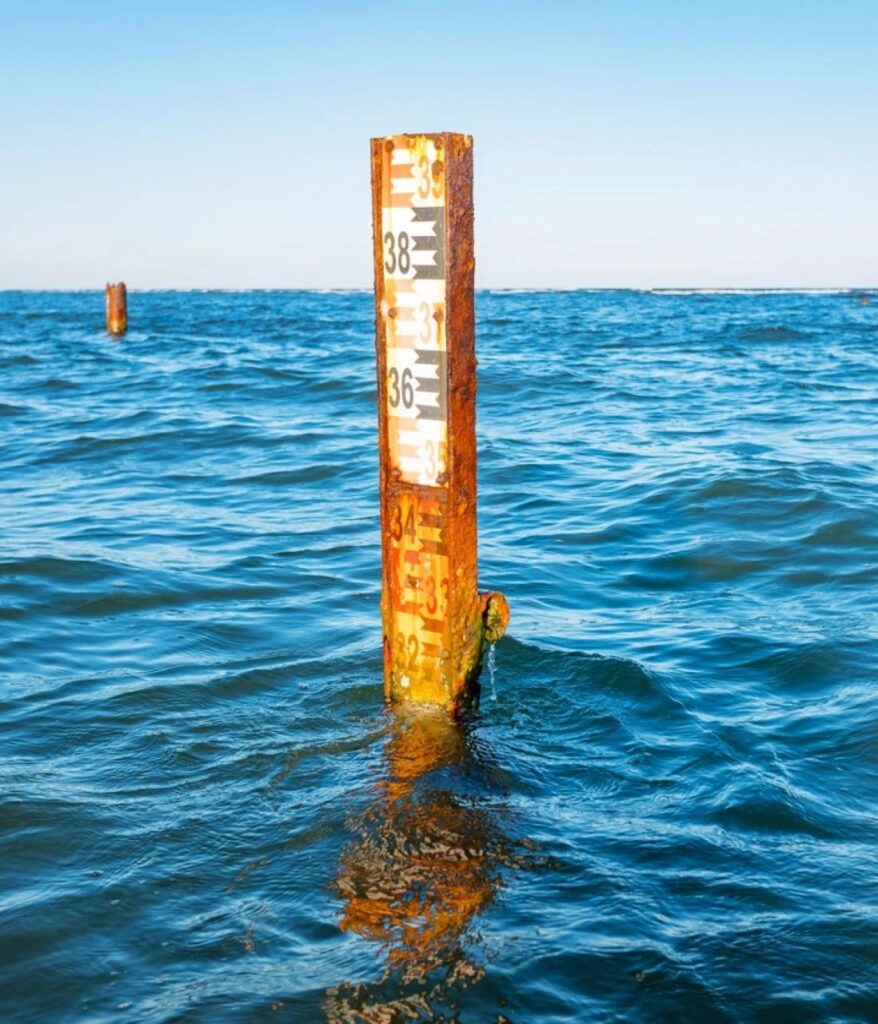
Some of the most serious impacts include:
- Increased flooding during high tides and storms
- Damage to roads, homes, and infrastructure
- Contamination of water supplies due to failing systems
- Loss of natural barriers such as wetlands
Wetlands, which normally act as protective buffers against storms, are particularly at risk. As water levels rise, these ecosystems can become submerged, reducing their ability to protect inland areas.
In some regions, this has made communities more vulnerable to future natural disasters.
Economic and Social Impact
Rising sea levels are also creating economic challenges. Coastal properties are becoming riskier to insure, and in some cases, insurance companies are increasing premiums, canceling policies, or leaving high-risk areas entirely.
Flooded roads and damaged infrastructure can disrupt daily life, limiting access to healthcare, transportation, and essential services.
Over time, these challenges could force communities to adapt, relocate, or invest heavily in protective infrastructure.
What Can Be Done?
Governments and local authorities are beginning to explore solutions to reduce the impact of rising sea levels.
Some strategies include:
- Installing advanced drainage and pump systems
- Strengthening coastal defenses
- Restoring wetlands and natural barriers
- Improving urban planning in flood-prone areas
At an individual level, people can also contribute by supporting environmentally friendly practices, such as reducing carbon emissions, using sustainable transportation, and participating in local conservation efforts.
A Warning for the Future
Scientists emphasize that the current situation should be seen as an early warning rather than a distant threat.
The steady rise in sea levels is a clear signal that environmental changes are accelerating. Without meaningful action, coastal regions around the world may face increasing risks in the decades ahead.
Climate change and environmental protection are driving demand for renewable energy solutions, solar power systems, home insulation upgrades, flood protection technologies, environmental consulting services, and sustainable infrastructure investments. Governments, businesses, and homeowners are increasingly investing in solutions that reduce carbon emissions, improve energy efficiency, and protect properties from climate-related risks such as flooding and extreme weather.
Leave a Reply