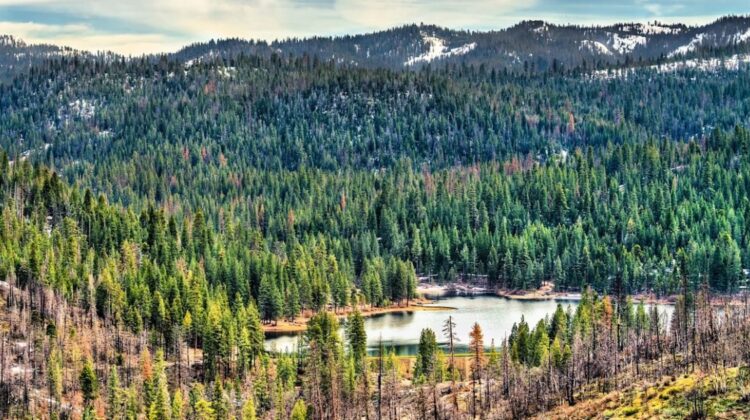
Wildlife biologists in California are celebrating the remarkable return of a gray wolf to Sequoia National Park — a historic sighting believed to mark the species’ first known presence in the region in more than a century.
The female wolf, identified as BEY03F, has stunned researchers after traveling hundreds of miles across California, moving through deserts, mountain ranges and dangerous highway corridors during her journey south.
Earlier this year, trail cameras first captured the animal near Lancaster, leading officials to believe she may have become the first documented gray wolf seen in Southern California in roughly 100 years.
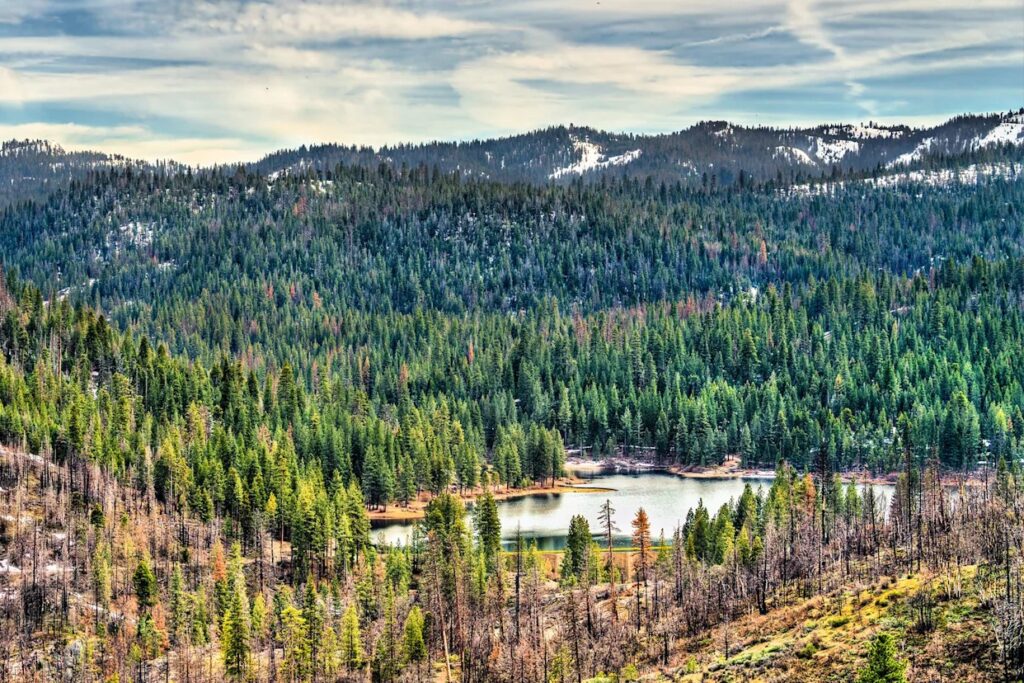
Now, wildlife experts say the wolf has continued deeper into California’s wilderness, reaching the Sequoia region and reigniting conversations about the long-term recovery of one of North America’s most iconic predators.
BEY03F was born in Northern California’s Beyem Sayo Pack in Plumas County before dispersing from her natal territory — a natural behavior common among young wolves searching for mates and new habitat.
Gray wolves once roamed throughout California in large numbers before aggressive eradication campaigns linked to livestock protection pushed the species to near extinction in the state during the early 20th century.
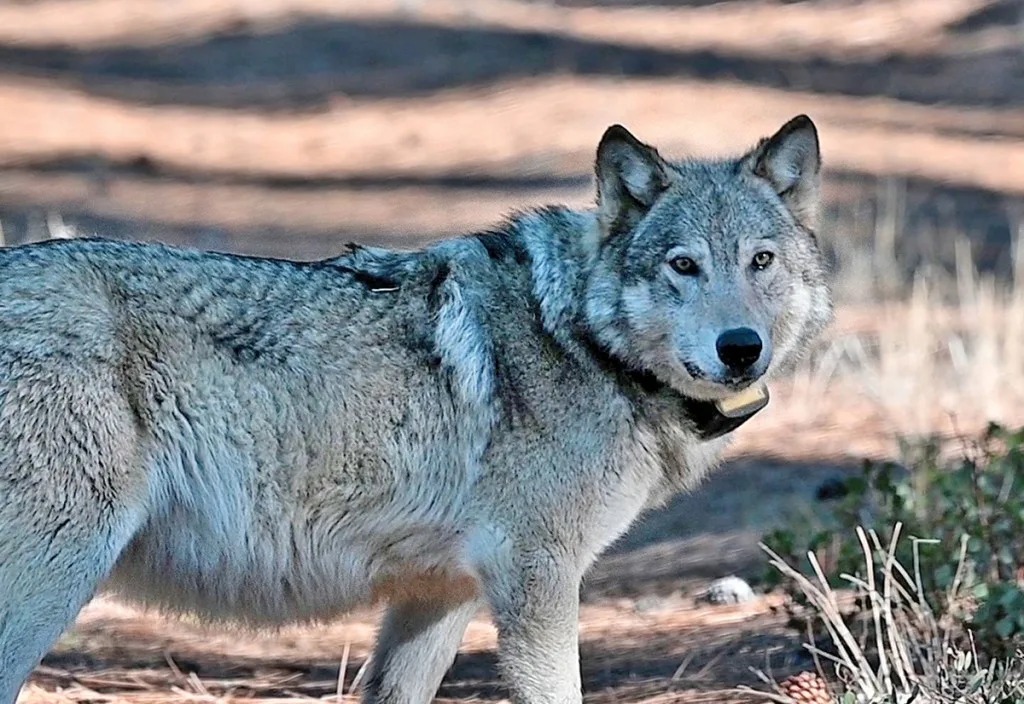
The last confirmed wild wolf in California was reportedly killed in 1924.
For decades afterward, wolves disappeared entirely from the state.
That changed in 2011 when wolves naturally crossed back into California from Oregon, beginning a slow and closely monitored recovery.
Today, wildlife officials estimate around 60 gray wolves live in California, primarily in remote northern regions.
The appearance of BEY03F so far south has become especially significant because there are currently no established wolf packs in Southern California.
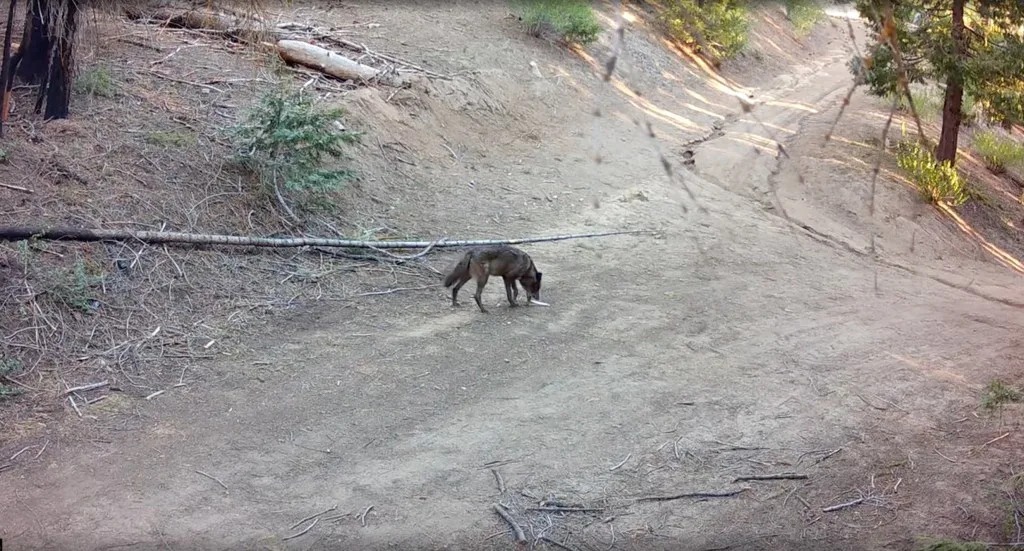
Conservationists say her journey demonstrates the species’ growing ability to reclaim portions of its historic range after generations of absence.
Gray wolves play an important ecological role as apex predators by helping regulate deer and elk populations, which can influence entire ecosystems.
At the same time, wolf recovery remains controversial in some rural communities due to concerns involving livestock and human-wildlife conflict.
For many wildlife advocates, however, the return of wolves to areas where they once disappeared represents one of the most powerful examples of ecological resilience in North America.
Why wolf recoveries are drawing global attention
The return of wolves to former habitats has become a major conservation story worldwide because apex predators can dramatically reshape ecosystems. Scientists increasingly study wolf recoveries to understand biodiversity restoration, predator-prey balance and how wildlife adapts to landscapes heavily altered by humans.
Leave a Reply