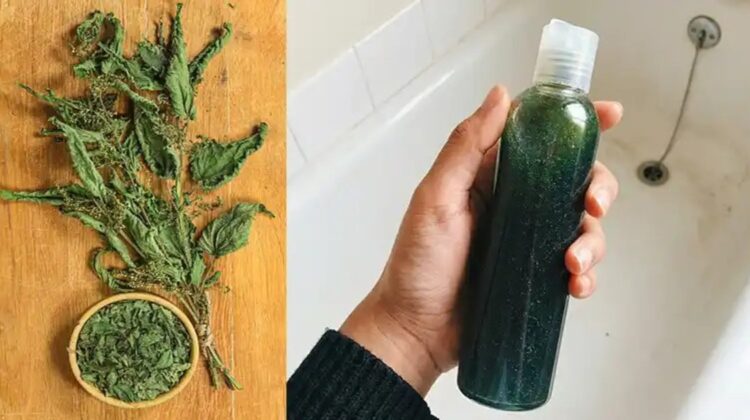
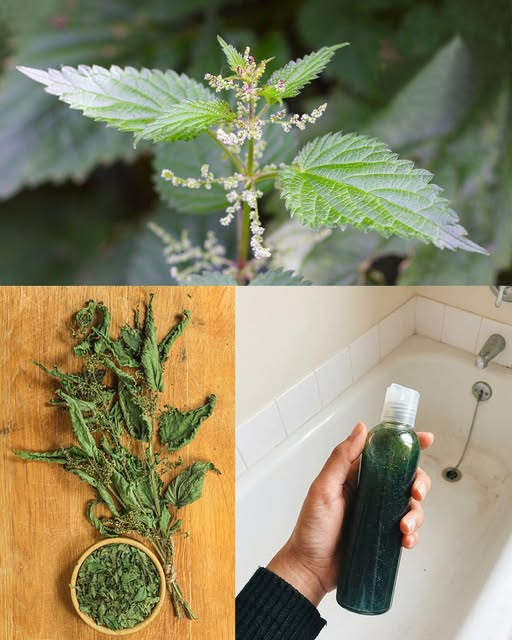
A common backyard plant could offer a natural alternative to commercial hair products. Stinging Nettle has long been used in traditional remedies, valued for its rich mix of vitamins, minerals and scalp-soothing properties.
Today, some people are returning to this plant as a base for homemade shampoo — aiming to avoid synthetic chemicals while supporting healthier hair.
Why nettle is used for hair care
Nettle leaves contain nutrients such as iron, silica and vitamins that are believed to support scalp health and strengthen hair strands.
Once processed — by drying or boiling — the plant’s stinging effect disappears, making it safe to use on the skin.
Advocates say nettle-based shampoo may help:
- Clean the scalp gently
- Reduce dryness and irritation
- Improve hair strength and shine
- Support overall hair health
While scientific evidence remains limited, its long history in herbal care continues to drive interest.
A simple recipe
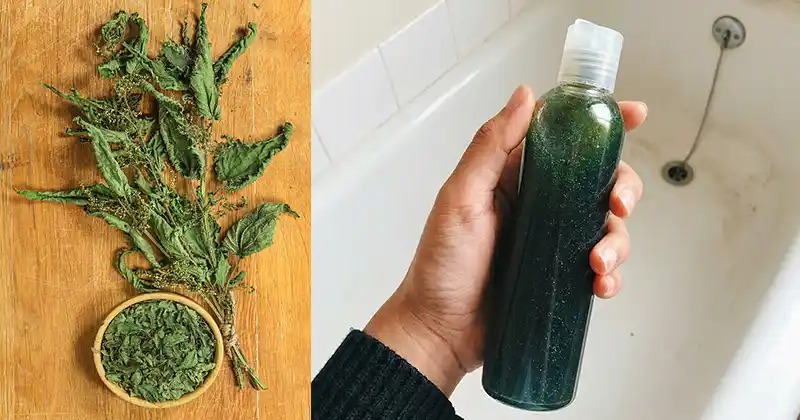
Making nettle shampoo at home involves creating a strong herbal infusion and combining it with a mild soap.
Ingredients:
- Fresh or dried nettle leaves
- Boiling water
- Natural liquid soap (such as castile soap)
Method:
- Place nettle leaves in a heat-safe container
- Pour boiling water over them and let steep for at least 30 minutes
- Strain the liquid to remove plant material
- Mix the infused liquid with the soap and shake gently
The result is a light, natural shampoo that can be applied to wet hair and rinsed as usual.
Customising the formula
The basic mixture can be adjusted depending on hair needs.
- Adding rosemary may support scalp circulation
- Honey can help retain moisture and improve softness
- A small amount of oil may reduce dryness
- Horsetail, another plant, is sometimes included for added strength
These additions are optional and commonly used in natural hair care routines.
Safety considerations
Although natural, this mixture still requires caution.
Plants should only be collected from clean, chemical-free areas. A patch test is recommended before full use, as allergic reactions are possible. Care should also be taken to avoid contact with the eyes.
Because the shampoo contains no preservatives, it should be stored in a cool place and used within a short period.
A return to simpler solutions
The renewed interest in homemade products reflects a broader shift toward natural and sustainable living.
Using plants like nettle offers a low-cost, accessible option — blending traditional knowledge with modern preferences for simplicity and transparency.
As more people seek cleaner, more natural alternatives in their daily routines, simple solutions like nettle-based shampoo continue to gain attention. With minimal ingredients and a focus on gentle care, this approach appeals to those looking to reduce chemical exposure while maintaining healthy, manageable hair — all using resources that may already be growing just outside their door.
Leave a Reply