
Why Do Many People Want to Sleep in the Bed of a Deceased Loved One? Losing someone close creates a sudden, disorienting gap in everyday life. Habits, routines, and shared spaces that once felt ordinary become charged with memory. Among these, the bed holds a special significance. For many people, choosing to sleep in the bed of a deceased loved one may seem unusual from the outside, yet it is a deeply human response shaped by grief, memory, and the need for connection.
A Desire to Feel Close Again
One of the most common reasons people return to a loved one’s bed is the longing for closeness. A bed is not just a piece of furniture—it is where conversations happened, where comfort was given, and where vulnerability was shared. After a loss, sleeping in that same space can create the illusion that the bond still exists, even if only for a moment. It can feel like being physically near the person again, offering a temporary sense of peace.
The Comfort of Familiarity

Grief often disrupts a person’s sense of stability. Familiar environments can help restore a feeling of safety. The smell of the sheets, the arrangement of pillows, and even the quiet atmosphere of the room can act as emotional anchors. In times of loss, the brain naturally seeks out what is known and predictable. Sleeping in a loved one’s bed can provide that grounding, especially during nights when loneliness feels most intense.
Processing Grief Through Space
Grief is not only emotional—it is also deeply tied to physical places. Certain environments hold meaning because of shared experiences. By staying in a loved one’s room or sleeping in their bed, individuals may be unconsciously working through their grief. It allows them to confront the absence while still being surrounded by reminders of the person they lost. This process can help some people slowly accept reality, rather than avoiding it.
Holding on to Memories
For some, the bed becomes a symbol of memory. It represents a life that was shared and a connection that cannot simply disappear. Sleeping there can feel like preserving a part of that relationship. In early stages of grief, this can be comforting. It offers continuity during a time when everything else feels like it has changed too quickly.
Emotional Transition and Letting Go
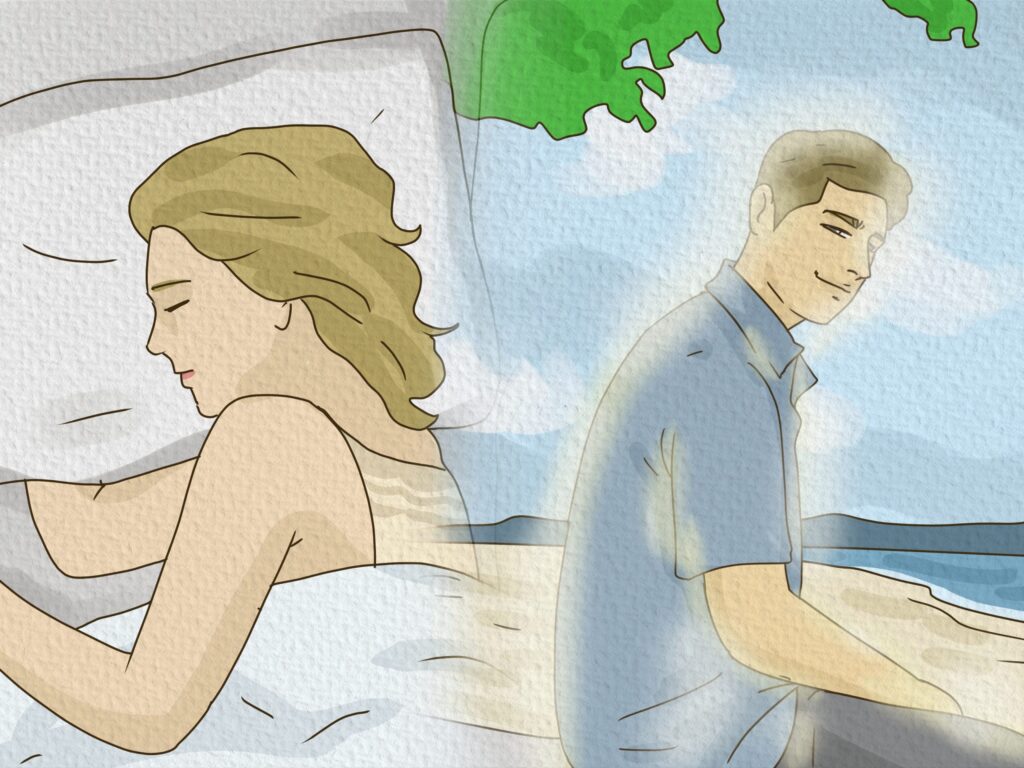
Over time, the meaning of that space may shift. What once provided comfort may begin to feel heavy or painful. This transition is a natural part of grieving. Some people eventually choose to change the room, replace the bedding, or stop sleeping there altogether. Others continue to use the space while redefining its meaning—not as a place of loss, but as a place of remembrance.
When It Becomes Difficult
While this behavior is often normal, it can become problematic if it prevents healing. If someone feels unable to sleep anywhere else, experiences intense distress, or avoids moving forward in life, it may be a sign that additional support is needed. Grief has no fixed timeline, but it should gradually evolve rather than remain frozen.
Final Thoughts
Wanting to sleep in the bed of a deceased loved one is not strange—it is a reflection of love, attachment, and the human need for connection. In the quiet of the night, where absence feels strongest, people seek comfort in what remains. Over time, healing does not erase these connections; it reshapes them, allowing memory and acceptance to exist side by side.
Leave a Reply