
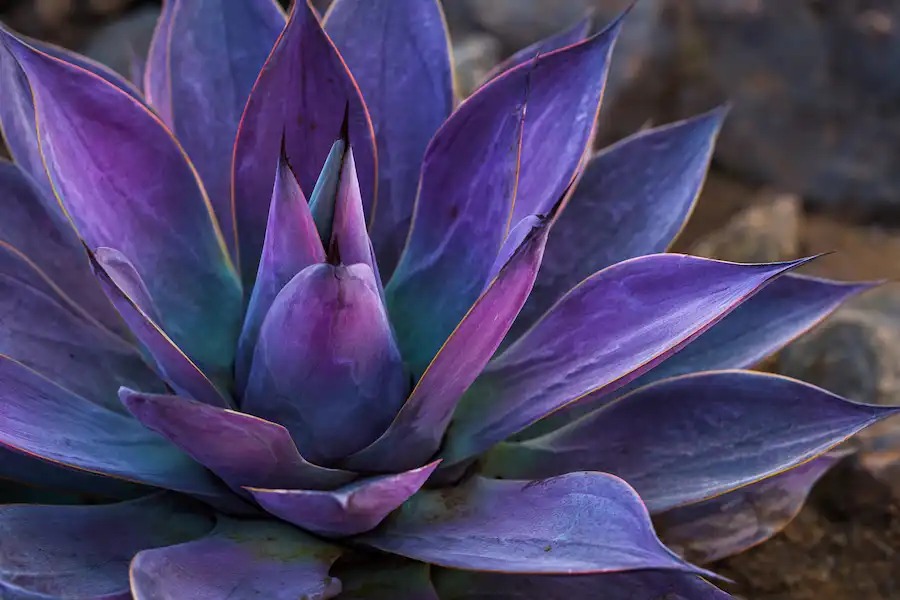
Purple maguey, a striking variety of agave known for its dramatic purple-toned leaves and sculptural form, has long held cultural and medicinal significance in parts of Mexico and Central America.
For centuries, agave species have been used not only for food, fiber and fermented beverages such as pulque, but also in traditional healing practices. Purple maguey, often associated with regional forms of Agave americana or related species, has been valued in folk medicine for topical remedies, digestive support and general wellness.
While many traditional claims remain rooted in historical practice rather than definitive clinical proof, modern scientific interest in agave compounds — including saponins, fructans, antioxidants and prebiotic fibers — has helped fuel growing curiosity about the plant’s broader wellness potential.
Traditional anti-inflammatory and skin uses
In some traditional communities, maguey sap or crushed leaf pulp has been applied externally to minor wounds, burns, swelling and irritated skin.
This is partly due to compounds believed to have antimicrobial and soothing properties, though skin sensitivity can vary and raw sap may cause irritation in some individuals.
Digestive and prebiotic interest
Agave plants are known to contain inulin, a type of prebiotic fiber that may support gut bacteria and digestive health.
Because of this, some agave-derived compounds have attracted attention in modern nutrition for their potential role in digestive balance, though consumption methods and concentrations differ significantly from traditional remedies.
Historical use for liver and detox practices
In traditional herbal systems, preparations from parts of the maguey plant were sometimes used in cleansing or detox rituals.
However, experts caution that “detox” claims are often overstated in modern wellness marketing, and internal use of raw or improperly prepared agave materials may carry risks.
Antimicrobial potential
Some laboratory studies on agave compounds have explored antibacterial or antifungal properties, particularly for topical applications.
Still, this should not be confused with medically approved treatments for infections, and serious conditions require professional healthcare.
Blood sugar and metabolic discussion
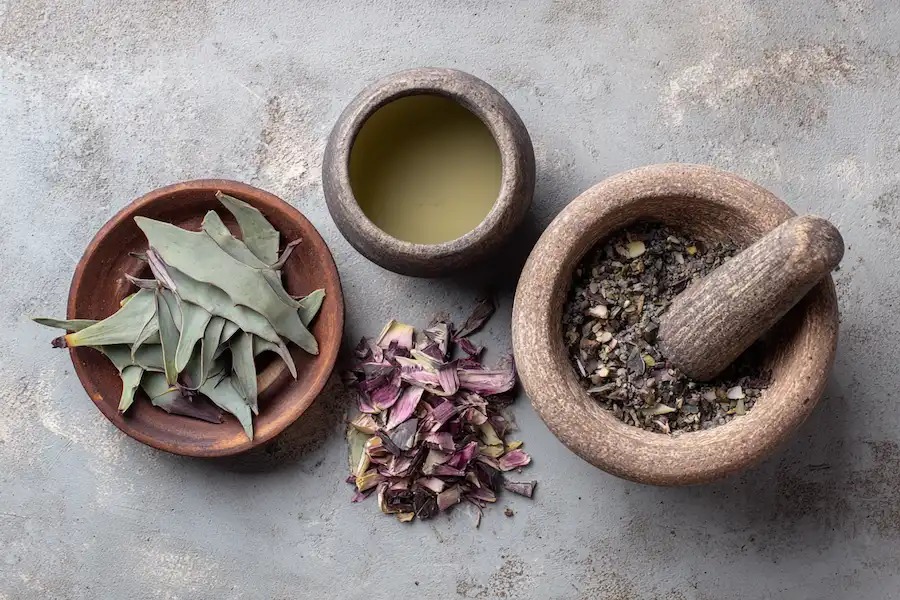
Because certain agave fibers may influence digestion and glucose absorption, agave-related compounds have been studied for possible metabolic effects.
That said, no traditional plant remedy should be viewed as a replacement for diabetes care, medication or evidence-based treatment.
Cultural significance beyond medicine
Purple maguey is also part of a broader historical legacy. Agave has been central to Indigenous agriculture, traditional beverages, textile production and ecological adaptation for generations.
Its continued popularity reflects both botanical beauty and longstanding cultural heritage.
Safety considerations
Natural remedies are not automatically harmless. Experts generally advise caution because:
- Raw sap may irritate skin
- Some compounds may upset digestion
- Incorrect preparation may increase adverse effects
- Internal medicinal use should be approached carefully
Consulting a qualified medical or herbal professional is especially important before using plant-based remedies therapeutically.
The bigger picture
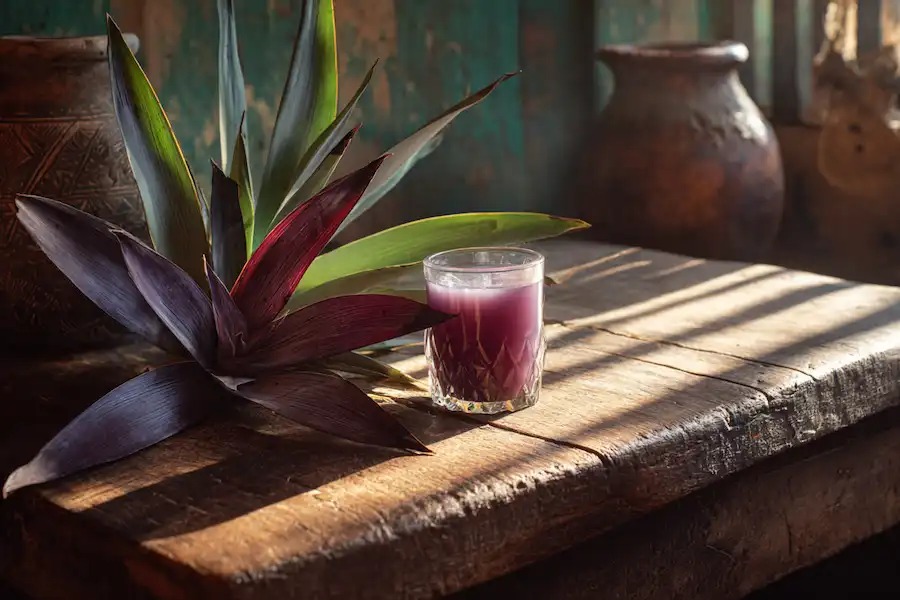
Purple maguey represents a powerful example of how traditional botanical knowledge continues to intersect with modern wellness culture.
As scientific research continues, some historical uses may gain clearer validation, while others may remain primarily cultural practices.
For many, the plant’s enduring value lies not only in potential health applications, but also in its role as a reminder that traditional medicine often reflects generations of observation, adaptation and ecological knowledge.
Why traditional medicinal plants continue to attract attention
As global interest in herbal wellness, natural remedies and preventive health grows, plants like purple maguey are increasingly studied for possible roles in nutrition, skincare and sustainable health products. This expanding market also intersects with industries such as herbal supplements, organic agriculture and wellness tourism.
Leave a Reply