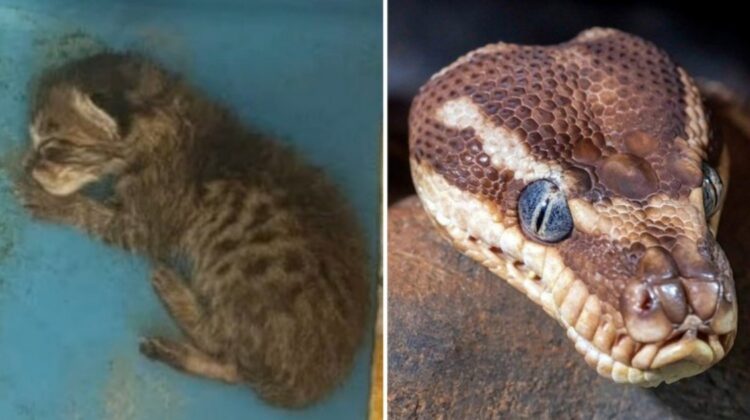
A science teacher in Texas has apologized after a controversial incident involving a sick kitten and a classroom snake sparked outrage among students, parents and animal welfare advocates.
The teacher, who taught animal science at a school in Alvord, north of Fort Worth, was accused of bringing several sick newborn kittens to school after they were born to her cat. According to a complaint later submitted to animal rights organization PETA, one of the kittens was fed to a snake, leaving some students deeply distressed.
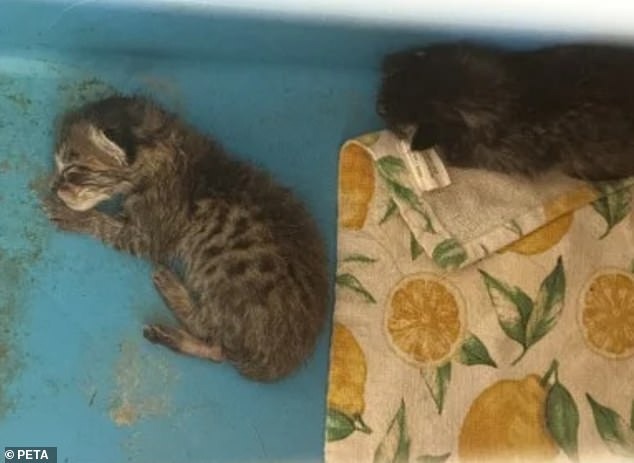
Reports suggest that at least one student was so upset by the incident that they asked to take the remaining kittens home in an attempt to save them. Despite the effort, the surviving kittens later died due to their poor condition.
The controversy quickly spread beyond the classroom, prompting calls for an investigation into whether live animals should be used as food in educational settings. PETA strongly condemned the incident, arguing that schools should teach compassion and respect for animals rather than exposing students to potentially traumatic experiences.
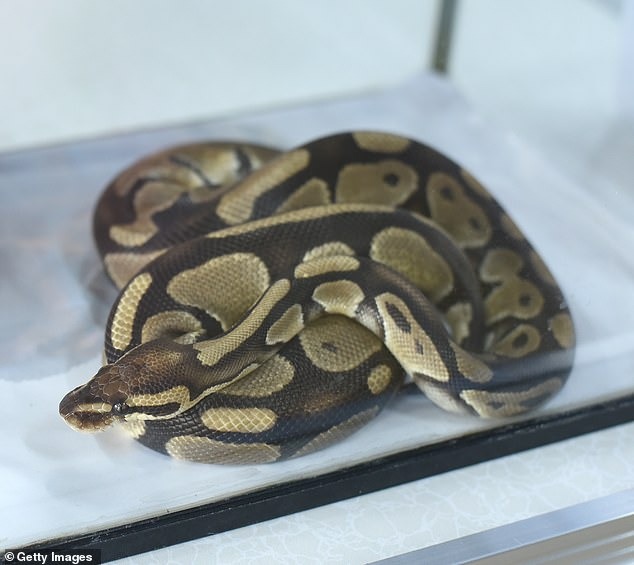
School officials later confirmed that an ailing kitten had been fed to a snake, but stated that the act took place outside the presence of students. The incident was reviewed by local authorities, including school police and animal control officials. No criminal charges were filed, and responsibility for handling the matter was left to the school district.
In a statement, the district superintendent described the teacher as an experienced educator and animal lover who regretted her actions. The teacher reportedly apologized to students and voluntarily removed all snakes from her classroom following the backlash.

The incident has reignited a broader debate about ethics in animal science education. While snakes in captivity commonly eat other animals as part of their natural diet, critics argue that using live animals in educational environments can be disturbing for students and raises important animal welfare concerns.
For many parents, the controversy highlights the need for clear policies on how animals are treated in schools and how sensitive topics involving life, death and animal care are presented to young people.

Animal Welfare, Veterinary Care and Responsible Pet Ownership
Cases involving the treatment of young animals often raise important questions about animal welfare, veterinary care and responsible pet ownership. Experts emphasize that sick or unwanted newborn animals should receive appropriate veterinary attention whenever possible, while educational programs involving animals should prioritize welfare, safety and humane practices. Understanding proper animal care, disease prevention and ethical treatment remains an important part of promoting responsible attitudes toward pets and wildlife.
Leave a Reply