
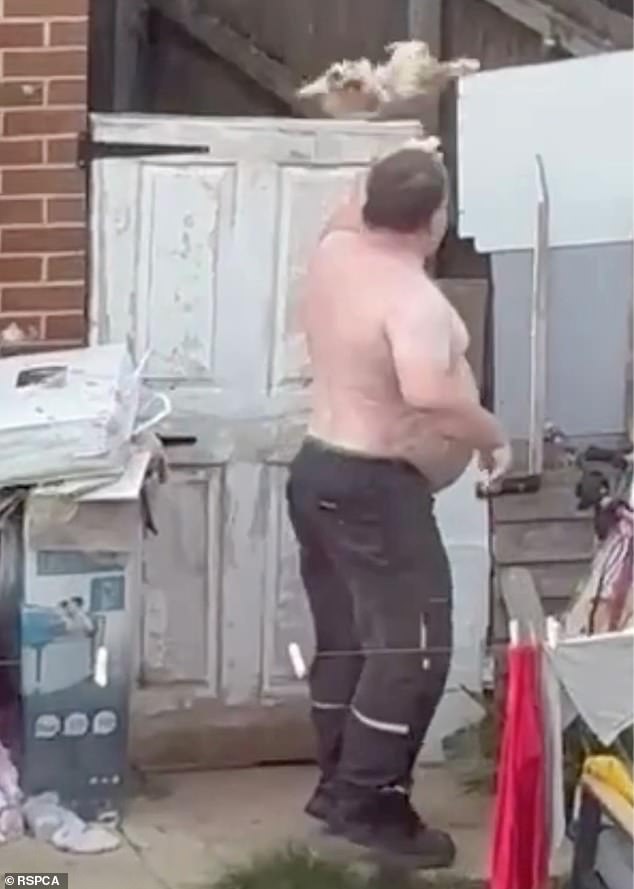
A man has been banned from keeping animals for 10 years after CCTV footage captured him grabbing a small dog by the head and throwing it over a six-foot fence in an incident that prompted an RSPCA investigation.
The case, heard at Bristol Magistrates’ Court, also resulted in his partner receiving a five-year ban from keeping dogs after both admitted offences under animal welfare legislation.
CCTV Footage Sparks Investigation
The incident came to light after neighbours witnessed James Andrew handling a small terrier named Boomer in their garden. CCTV footage showed Andrew picking up the dog by its head while the animal struggled before throwing it over a fence.
Concerned neighbours shouted at Andrew from a nearby window before contacting police, who referred the case to the RSPCA.
Representing the animal welfare charity, solicitor Kevin Withey told the court that Andrew appeared unconcerned about the dog’s welfare after the incident.
“He turns away, shows no interest in what may or may not have happened to that dog as a result of that behaviour,” Withey said.
The court heard Boomer was thrown in what prosecutors described as a “callous manner,” causing the dog unnecessary fear and pain.
Dog Found Underweight
Following the investigation, RSPCA officers examined Boomer and found he was underweight, with crusting around his eyes and scabs on his ears.
Inspectors also discovered several animals at the property. According to the court, they were being kept in crates without bedding inside the kitchen, while the garden contained large amounts of rubbish and animal waste.
“The house is by most people’s measure in a rather disgusting state,” Withey told the court.
Boomer was removed from the home and later rehomed. The court heard the terrier’s condition improved significantly, with his weight increasing from two kilograms to three-and-a-half kilograms in less than a month.
Court Hears Defence
Andrew later admitted handling his partner’s dog inappropriately, telling investigators he had previously worked with military police where dogs were handled differently.
However, prosecutors rejected that explanation, noting that Boomer was “a tiny terrier” rather than a working military dog.
Andrew pleaded guilty to two animal welfare offences, including causing unnecessary suffering and failing to protect the dog from pain, injury and distress.
His partner, 42-year-old Claire Yvonne Malik, admitted one offence relating to animal welfare.
The couple, who had owned Boomer for around three years, told the court the terrier belonged to their daughter and was nervous around men.

Sentencing
During mitigation, the defence argued the incident was isolated and stated that the couple had since improved the condition of their home.
The court also heard Malik did not witness the incident until the CCTV footage was played during proceedings and was reportedly shocked by what she saw.
Although the relationship has ended, the pair continue living at the same address while caring for three of their children. The court was told they no longer keep any animals.
Andrew was fined £680 and disqualified from owning or keeping any animals for 10 years, with no application to reduce the ban permitted for seven years.
Malik was fined £568 and banned from keeping dogs for five years. She cannot apply to lift the ban for three years.
Boomer has since been successfully rehomed.
Animal Welfare and Responsible Pet Ownership
Animal welfare organisations say cases involving cruelty often highlight the importance of responsible pet ownership, animal behaviour training, and access to veterinary care before situations escalate. Experts recommend that owners struggling with a pet’s behaviour seek assistance from qualified trainers or veterinarians rather than resorting to punishment. Early intervention, proper socialisation, and support from animal welfare charities can significantly improve the wellbeing of companion animals while helping prevent abuse and neglect. In addition, reporting suspected cruelty and preserving evidence, such as CCTV footage, plays a vital role in protecting animals and ensuring offenders are held accountable under animal welfare laws.
Leave a Reply