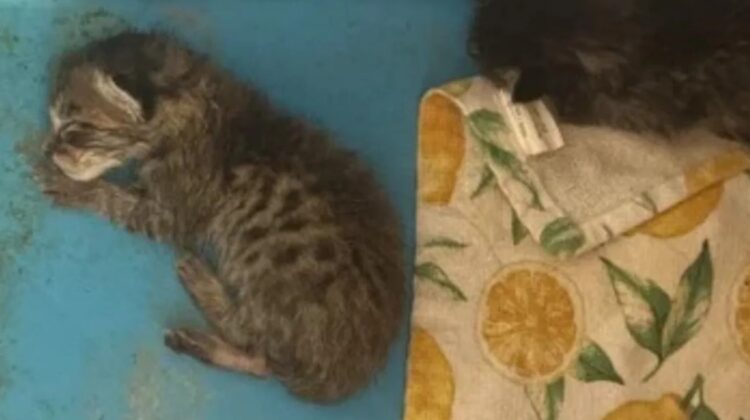
A science teacher in Texas has apologized after feeding a live but sick kitten to a classroom snake, an incident that sparked criticism from parents and animal welfare organizations.
The case occurred at Alvord Independent School District, about an hour north of Fort Worth, after concerns were raised by a parent who contacted both school officials and the People for the Ethical Treatment of Animals (PETA).
According to the district, the kitten was alive but suffering from illness when it was fed to the snake. School Superintendent Randy Brown said the incident took place before the school day began and not in the presence of students. The teacher, described as an experienced educator and animal lover, later apologized to students and voluntarily removed all snakes from the classroom.
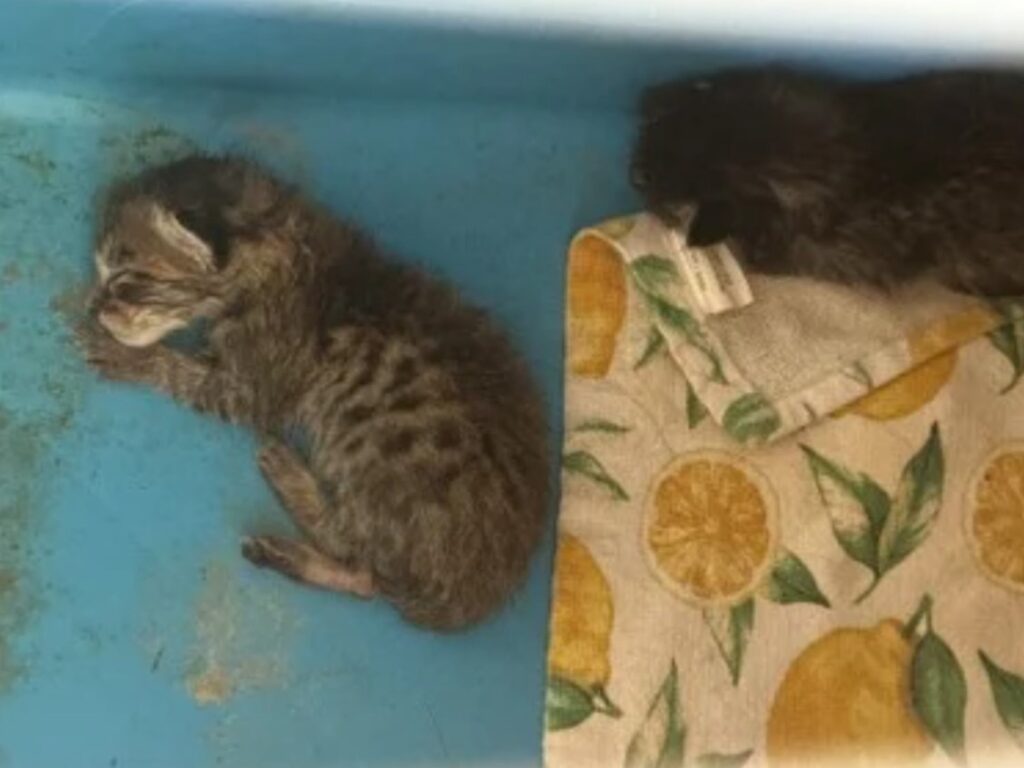
However, one student alleged that classmates witnessed the feeding, a claim that differs from the district’s account. The student’s mother said her daughter was deeply upset and asked to take home the remaining three kittens. Despite around-the-clock care and bottle-feeding for two weeks, all three later died from their illnesses.
The kittens were reportedly born to one of the teacher’s own cats. The parent also alleged that the teacher told students she had another pregnant cat at home and suggested that any unhealthy kittens from that litter could also be fed to her snakes. Animal rights group PETA repeated those allegations while calling for an investigation and urging the district to prohibit the use of live animals in classroom feeding demonstrations.
The school district said its police department, the Wise County Sheriff’s Office Animal Control Division and the county attorney reviewed the case. Authorities concluded that no criminal charges were warranted, and the matter was handled through internal district procedures.
District officials described the event as an isolated incident that has since been addressed. While acknowledging that many students were upset, they said appropriate steps had been taken to prevent a similar situation from occurring again.
The incident has reignited debate over the ethics of using live animals in educational settings. Animal welfare advocates argue that classroom demonstrations should prioritize humane treatment and teach compassion, while educators continue to discuss appropriate methods for teaching students about animal biology and natural food chains.
Humane Animal Care in Educational Settings
Animal welfare experts encourage schools to use ethical teaching methods that promote respect for living creatures while achieving educational goals. Modern alternatives—including recorded demonstrations, scientific models and supervised educational resources—allow students to learn about ecosystems, predator-prey relationships and animal behavior without exposing live animals to unnecessary suffering. Creating compassionate learning environments benefits both students and animals while reinforcing responsible attitudes toward wildlife and pet care.
Leave a Reply