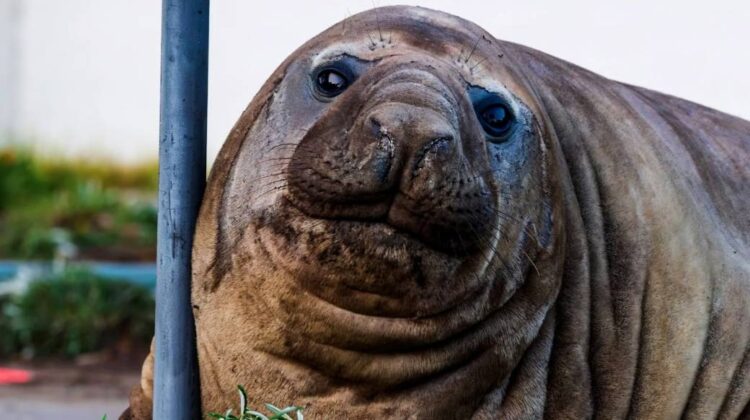
Neil the Seal, one of Australia’s most recognizable wildlife celebrities, has become the focus of a growing conservation debate as wildlife officials warn that increasing human interaction could eventually place the massive animal—and the public—at risk.
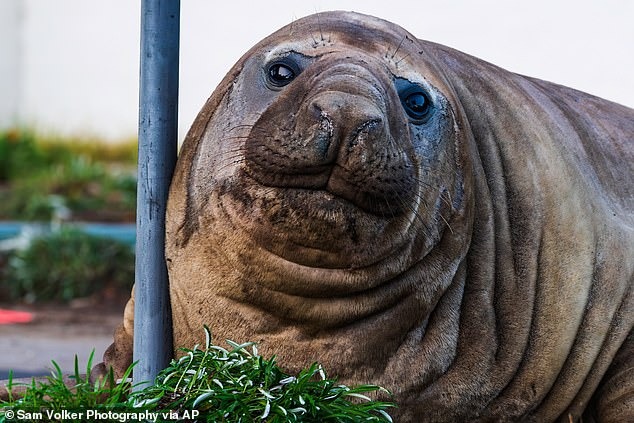
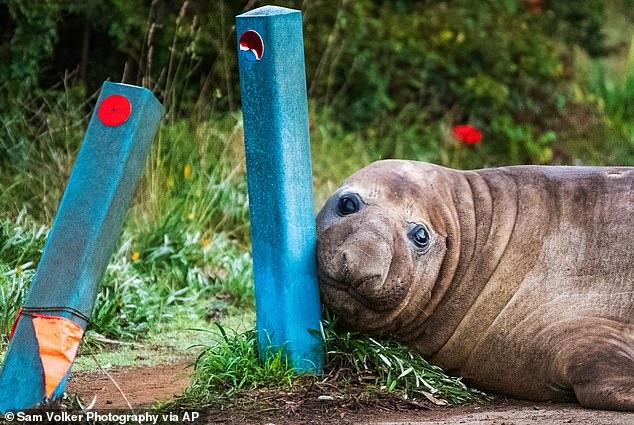
The southern elephant seal, born in Tasmania in 2020, has attracted international attention after repeatedly hauling himself onto beaches, streets and public spaces during his visits around the island. Each appearance draws crowds of tourists and residents eager to photograph the gentle giant, with many attempting to take selfies or approach him for a closer look.
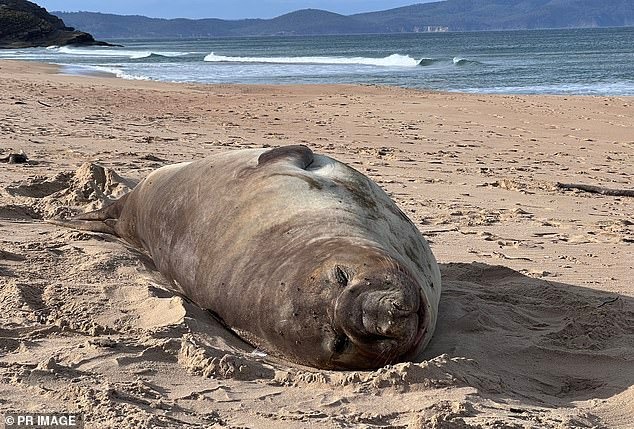
Now nearly six years old, Neil already measures around three metres in length and weighs close to one tonne. Wildlife experts say he is still growing and could eventually reach more than 4.5 metres long and weigh as much as 4,000 kilograms as an adult.
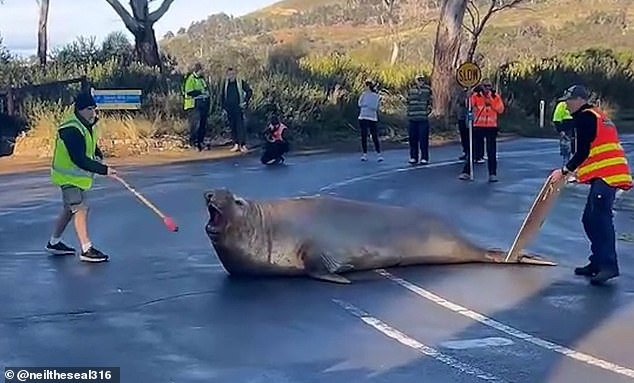
Tasmania’s Department of Natural Resources and Environment has warned that, like other mature elephant seals, Neil is expected to become increasingly territorial as he ages. Officials fear that continued close contact with people could encourage dangerous behaviour, increasing the risk of injuries to both the animal and the public.
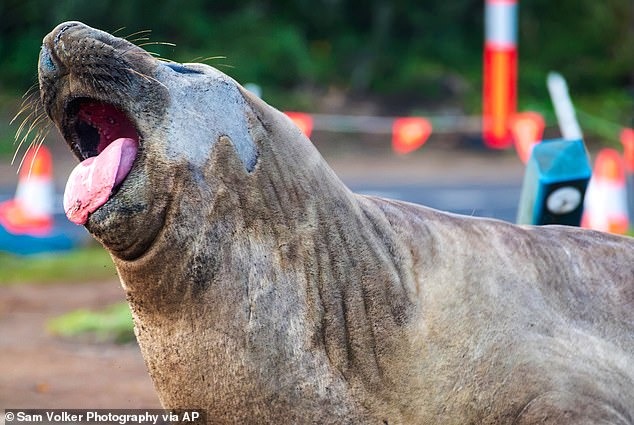
The warning has prompted widespread public concern after officials acknowledged that euthanasia would remain a last-resort option if Neil were ever considered an unavoidable threat to public safety. In response, more than 60,000 people have signed a petition urging authorities to adopt a non-lethal management plan instead.
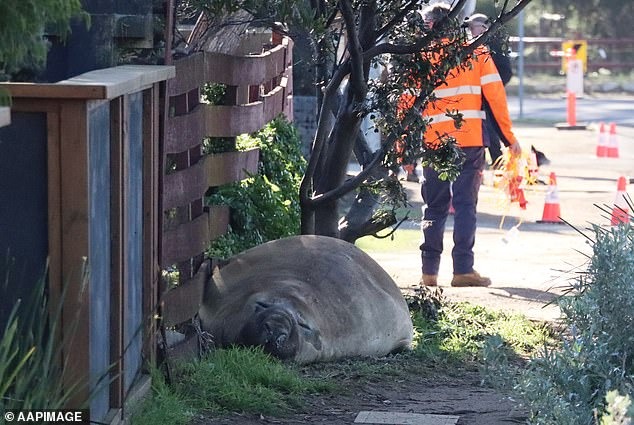
Supporters are calling for protected exclusion zones around Neil whenever he comes ashore, arguing that people—not the seal—should change their behaviour. Many conservation advocates believe stricter crowd control, increased public education and better enforcement could allow Neil to remain wild while reducing the risks created by curious visitors.
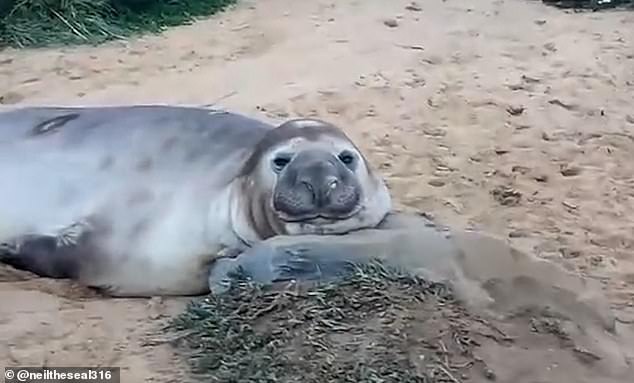
Wildlife authorities continue to stress that they have no current plans to euthanize the animal, but say preventing that outcome depends largely on the public respecting his space. Visitors are advised to remain at least 20 metres away, avoid feeding or touching the seal, keep dogs well clear, and never block his path back to the ocean.
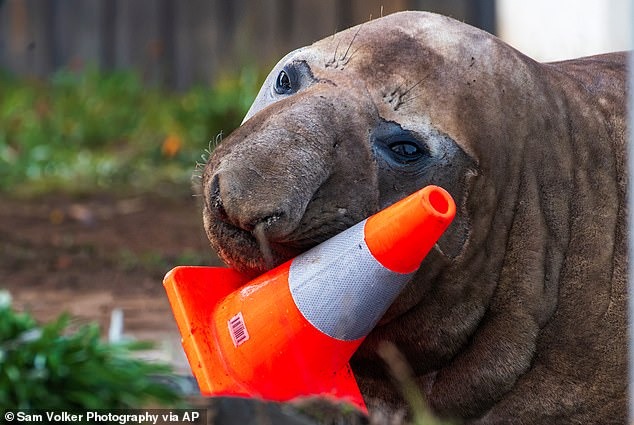
Experts say the situation serves as a reminder that even animals accustomed to human presence remain wild. While Neil’s remarkable story has inspired millions around the world, conservationists hope his growing fame will encourage greater respect for wildlife rather than closer encounters.
Wildlife Conservation and Safe Encounters with Wild Animals
Close encounters with wild animals can create unforgettable experiences, but conservation experts emphasize that keeping a safe distance is essential for both human safety and animal welfare. Feeding, approaching or attempting to touch wild animals can alter their natural behaviour, increase stress levels and create dangerous situations that may ultimately threaten their survival. Responsible wildlife tourism, habitat protection and public education remain among the most effective ways to ensure iconic species like elephant seals continue to thrive in their natural environment while remaining safely wild.
Leave a Reply