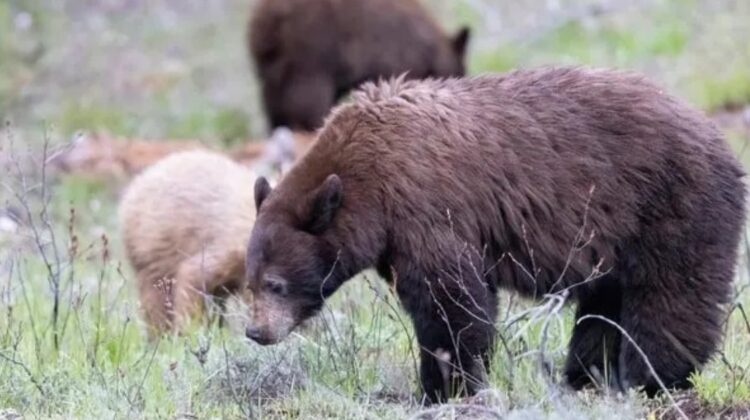
A black bear that had learned to associate hikers with food is dead, and Grand Teton National Park wants the public to understand exactly why.
What Happened at Delta Lake
Park staff euthanized the bear on Friday, September 11, 2026, in the Delta Lake area, a remote backcountry section of the park in Wyoming. Because of the location, wildlife staff first immobilized the animal with a tranquilizer dart before euthanizing it on site; a helicopter flew the carcass out the following morning.
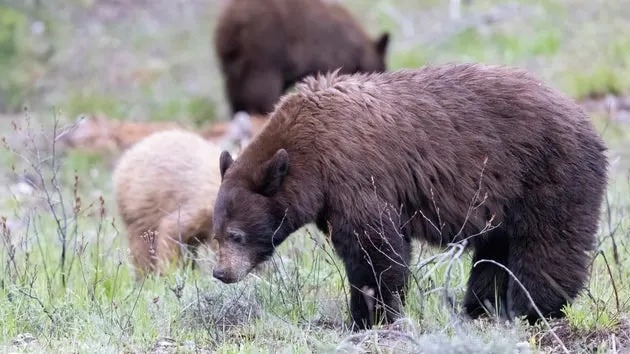
The park had been watching the bear for months. Staff first received reports earlier in the year of a bear approaching visitors near Delta Lake, but at the time there wasn’t enough evidence to tell whether that was an isolated incident or the start of a pattern. In the days before the bear was killed, that pattern became unmistakable: repeated approaches to people, escalating proximity, and behavior consistent with an animal that had learned people meant food.
The Park’s Own Words
In a statement posted to social media, Grand Teton officials laid responsibility squarely on visitor behavior rather than the bear itself:
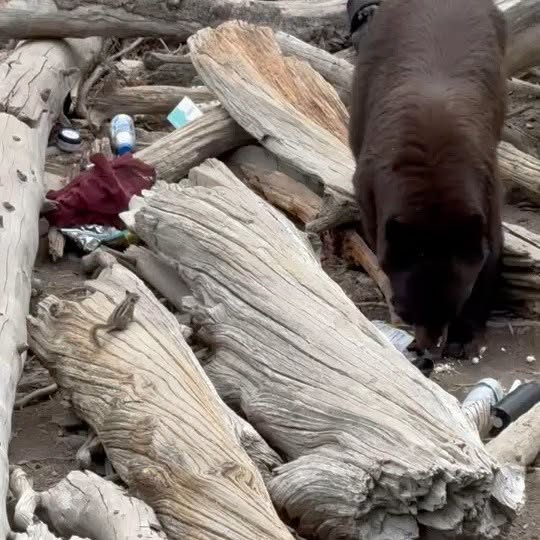
“We need to be clear — this bear was lethally removed because of poor decisions made by park visitors. It is everyone’s responsibility to help keep bears wild: never leave food unattended, even for a moment.”
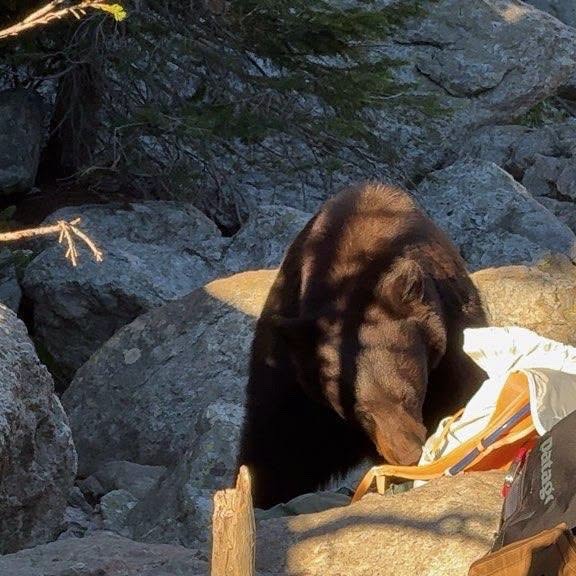
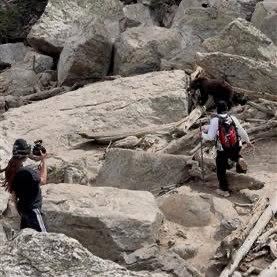
Photos released alongside the statement showed visitors approaching the bear from just a few feet away near Delta Lake, and the same bear rummaging through food and gear that had been left behind among trees, logs and boulders in the area. Several visitors reportedly received citations for approaching wildlife or violating food-storage rules.
Why Relocation Wasn’t an Option
Killing a food-conditioned bear is treated as a last resort, and park officials addressed directly why moving the animal elsewhere wasn’t a workable alternative. Bears have strong ties to their home ranges, and the Greater Yellowstone Ecosystem has increasingly little suitable habitat — with adequate natural food, low human activity, and enough open space — to relocate a problem bear into. After weighing the bear’s behavior and the risk it posed to people, park managers concluded other options had been exhausted.
Why “Food Rewards” Are So Dangerous
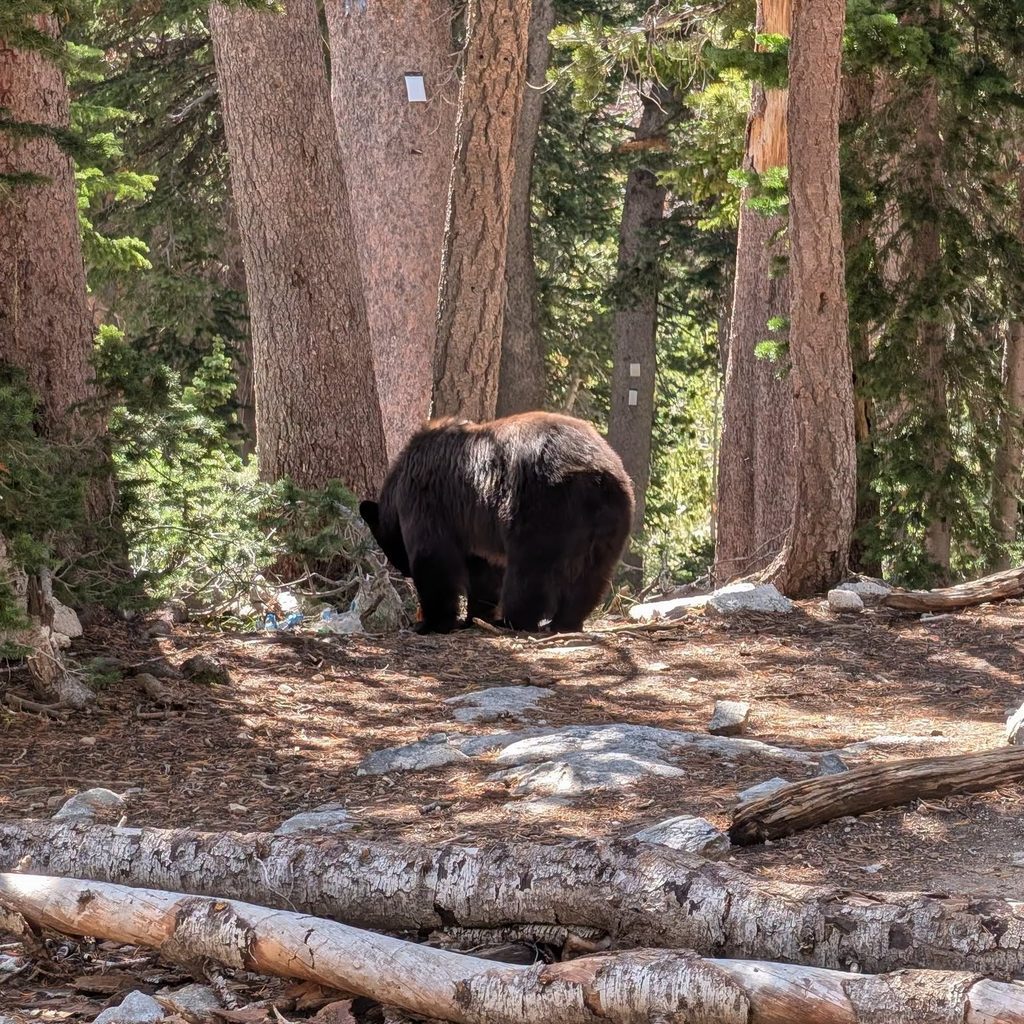
A bear that successfully gets food from a person — even once — learns that approaching humans pays off. That single association is what park rangers call a food reward, and it’s difficult to reverse once it takes hold. A bear that stops fearing people and starts seeking them out becomes a safety risk that typically escalates rather than resolves on its own, which is why the park’s guidance is blunt: don’t leave food unattended, and don’t let curiosity about a nearby bear turn into approaching it for a photo.
“If you have time to grab your phone, you have time to grab your food,” the park’s statement noted — a reminder aimed squarely at the instinct to reach for a camera instead of securing belongings when a bear appears.
Frequently Asked Questions
Why didn’t the park just relocate the bear instead of killing it? Relocation requires suitable habitat with enough natural food and little human presence, which officials said is increasingly hard to find in the region. After exhausting other options, park managers determined the bear’s behavior posed a safety risk that left lethal removal as the only remaining choice.
What should visitors do if a bear approaches them? Park guidance is to immediately gather all belongings, especially food, rather than stopping to take photos or video. Food should never be left unattended in bear country, even briefly.
Were visitors penalized for their role in this? Yes. Several visitors received citations related to approaching wildlife or violating food-storage requirements in the area.
Sources: Grand Teton National Park; ABC News; County 17.
Leave a Reply