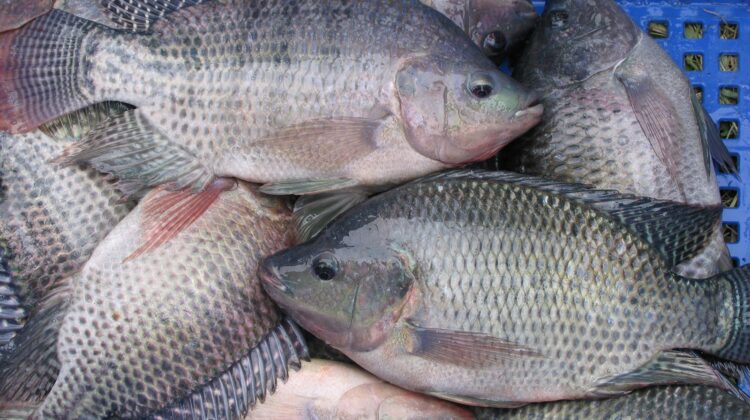
It sits quietly in almost every supermarket freezer—mild, boneless, and remarkably cheap. Yet behind the global popularity of this everyday white fillet lies an unsettling story about industrial fish farming and invisible chemical contaminants that could make you rethink tonight’s dinner.
Why Chefs Call It the Aquatic Chicken
Native to Africa and the Middle East, tilapia (Oreochromis aureus and Oreochromis niloticus) belongs to the freshwater cichlid family. Farmers prize these omnivorous fish because they reproduce rapidly, tolerate crowded tanks, and thrive on inexpensive corn- and soy-based pellets rather than costly marine fishmeal. That efficiency turned tilapia into the fourth most consumed seafood in the United States, serving as a budget substitute for pricey wild catches.
The Numbers That Make Dietitians Look Twice
On paper, tilapia looks like a lean fitness staple. According to USDA data, a 3.5-ounce (100-gram) cooked fillet delivers 26 grams of protein, under 3 grams of total fat, and essential micronutrients like vitamin B12 for red blood cell production and vitamin D for bone and immune strength. However, Wake Forest University researchers found a hidden catch: grain-heavy farm diets leave tilapia low in heart-protective omega-3s while driving up inflammatory omega-6 fatty acids.
An Invisible Passenger Entering the Food Chain
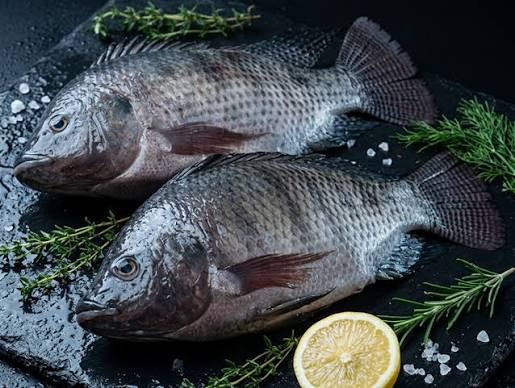
The most alarming concern involves dioxins—a family of highly toxic persistent organic pollutants released through industrial manufacturing and waste incineration. When tilapia are raised in poorly regulated, overcrowded shallow ponds exposed to industrial or agricultural runoff, these chemicals bioaccumulate in fish tissue. World Health Organization (WHO) toxicology data links prolonged dioxin exposure to liver damage, immune suppression, hormonal and reproductive disruption, psychological disorders, and elevated risks of lung, breast, liver, and prostate cancers.
What Smart Shoppers Spot Before Checkout
Avoiding contaminated fillets does not require giving up seafood altogether—it requires reading packaging with precision and choosing verified products:
- Check Origin and Certification: Skip unverified bargain imports and choose ASC-Certified Tilapia or BAP-Certified Frozen Fillets farmed in strictly regulated indoor recirculating tanks in the U.S., Ecuador, Peru, or Colombia.
- Buy Sealed Over Thawed: Choose Vacuum-Sealed Frozen Fillets rather than loose supermarket counter fish so you can verify exact farm origins and quality stamps directly on the bag.
- Use Trusted Guides: Check the Monterey Bay Aquarium Seafood Watch App right in the grocery aisle to separate green-rated farms from red-listed imports.
- Upgrade Your Rotation: Swap questionable farmed white fish for omega-3 powerhouses like Wild-Caught Alaskan Salmon, Canned Wild Sardines, Pacific Cod, or U.S. Farmed Rainbow Trout.
Frequently Asked Questions
Is tilapia a real wild fish or genetically man-made?
Tilapia is a 100% real biological freshwater fish native to Africa and the Levant that humans have caught and eaten for thousands of years.
Does all farmed tilapia contain dangerous levels of dioxins?
No. Fillets raised in clean, certified indoor tank systems show very low contaminant and mercury levels; high dioxin risks stem specifically from unregulated ponds exposed to industrial runoff.
How much protein is in a single serving of tilapia?
A standard 3.5-ounce (100-gram) cooked serving provides roughly 23 to 26 grams of complete, lean protein with fewer than 130 calories.
What is the safest and healthiest substitute for tilapia?
Pacific Cod and U.S. Farmed Rainbow Trout offer a similarly mild flavor with cleaner farming standards and significantly better omega-3 profiles.
Sources: World Health Organization (WHO), U.S. Department of Agriculture (USDA) FoodData Central, Wake Forest University School of Medicine, Monterey Bay Aquarium Seafood Watch, Harvard T.H. Chan School of Public Health.
Leave a Reply