
Lobsters, now an iconic symbol of fine dining and luxury, once had a very different reputation. In the 18th century, they were so despised that they were often used as fertilizer or fed to prisoners. The remarkable transformation of the lobster from pauper’s food to a gourmet delicacy is a fascinating tale that reflects societal changes and culinary evolution. This article delves into the incredible rise of lobster, tracing its journey from abundance to opulence.
The Early Days: Lobsters as “Sea Cockroaches”
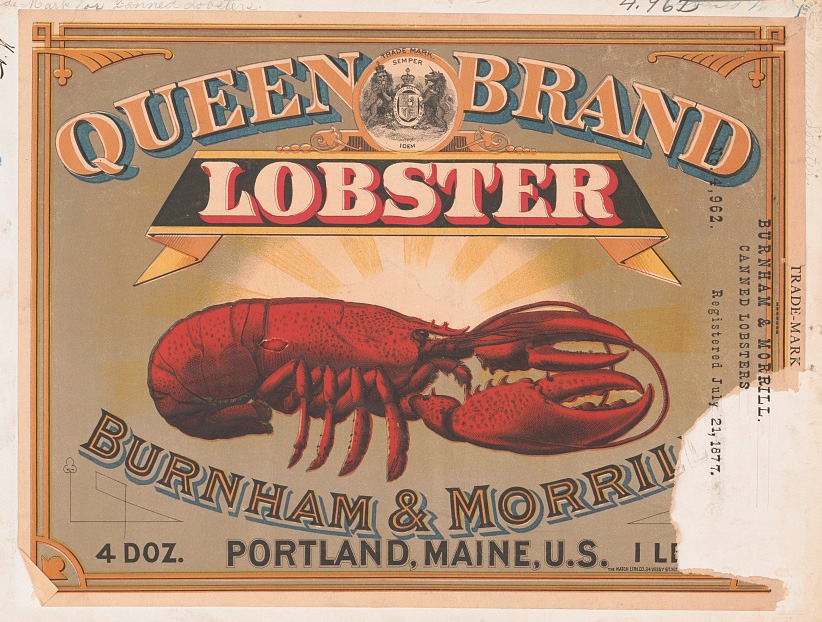
In early American colonial history, lobsters were so abundant along the New England coastline that they would wash ashore in piles. This abundance led to lobsters being viewed as food for the poor, slaves, and indentured servants. In fact, lobsters were considered so lowly that Massachusetts’ indentured servants sued to limit how many times a week they could be fed this “sea cockroach.”

Lobsters were often used as fertilizer or fishing bait due to their low status. Their reputation was so bad that they were even called the “cockroach of the sea.”
The Railroad Revolution: Lobsters Go National
The turning point in the lobster’s fortunes came in the 19th century, with the expansion of railroads in America. Train workers, unfamiliar with the stigma surrounding lobsters, began serving them to passengers as a cheap and plentiful meal. Surprisingly, passengers found lobster delicious, and it quickly gained popularity among inland diners who had never encountered the crustacean.

A Culinary Renaissance: From Common Fare to High Society
As word spread of lobster’s culinary appeal, demand began to outstrip supply. By the late 19th century, lobsters had become a sought-after dish in upscale restaurants. Chefs in New York and Boston experimented with new ways of preparing lobster, elevating its status to that of a luxury item.
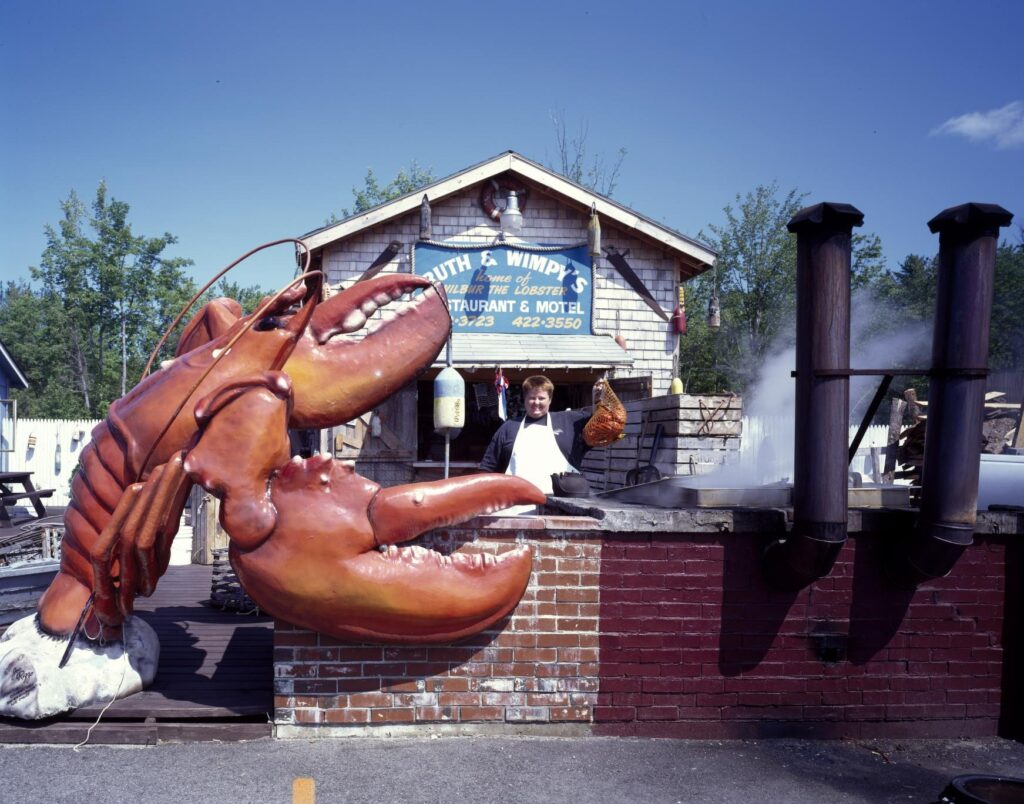
Lobster prices soared, and by the mid-20th century, what was once considered poor man’s food was now a delicacy enjoyed by the elite. Lobster had firmly established itself in the world of gourmet dining.
Modern Day: Lobster as a Delicacy and a Symbol of Wealth
Today, lobster remains a symbol of indulgence and luxury. Whether served as a decadent lobster bisque or a classic lobster roll, it is a key feature in fine dining across the world. High-end restaurants and special occasions continue to showcase lobster as the centerpiece of celebration and wealth.

However, concerns over overfishing and sustainability have led to a growing interest in environmentally-friendly lobster farming practices. Efforts to ensure that lobster remains a sustainable seafood option will play a significant role in the future of this prized crustacean.
The Future of Lobster: Balancing Luxury and Sustainability
As we move further into the 21st century, sustainable seafood practices are becoming more important than ever. Lobster fishing, though profitable, faces challenges due to environmental concerns and the depletion of lobster populations in certain areas. Sustainable lobster farming offers hope for preserving this iconic seafood while protecting marine ecosystems.
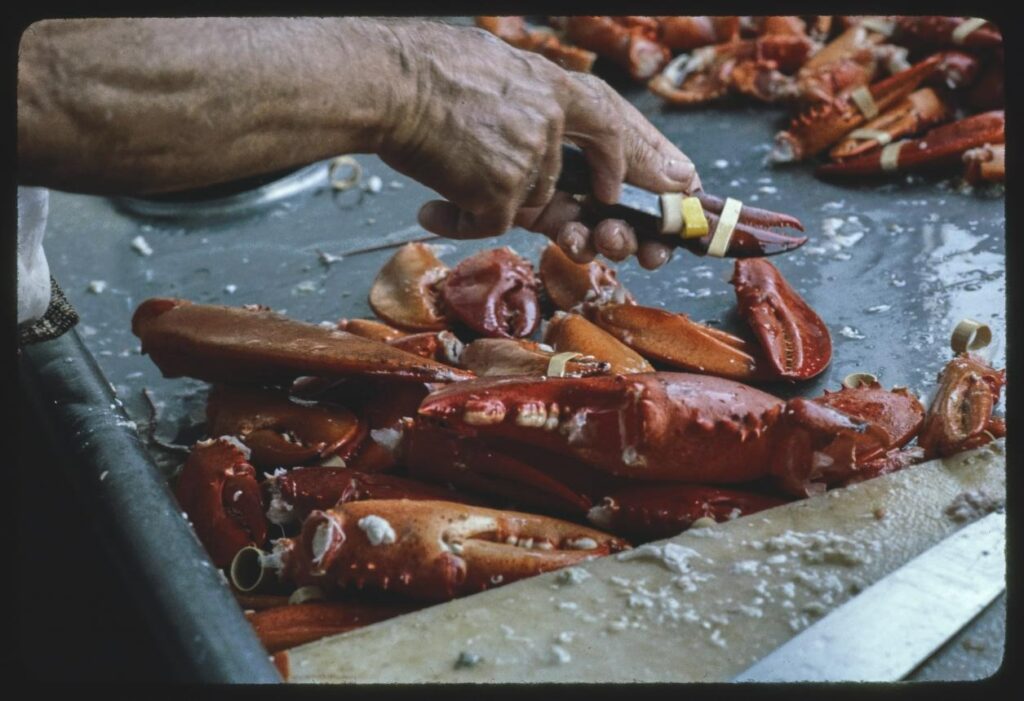
For those who savor the luxurious experience of dining on lobster, the future promises a balance between indulgence and responsibility, ensuring that lobster remains a symbol of luxury for generations to come.
Conclusion: From Trash to Treasure

The story of the lobster is a remarkable example of how perceptions of food can change drastically over time. What was once viewed as undesirable and fed to prisoners is now enjoyed as a luxurious delicacy by the affluent. Lobster’s incredible journey from trash to treasure reminds us of how economic factors, culinary trends, and societal values shape the way we eat and perceive food.
Leave a Reply