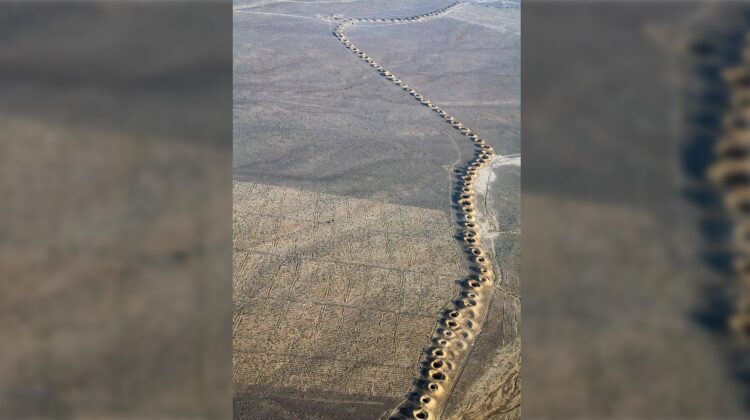
For over 3000 years, the ancient Persian engineering marvel known as the qanat has been a cornerstone in sustainable water supply systems. Originating in what is now Iran, these underground aqueducts have revolutionized the way water is transported over long distances, particularly in arid and hot climates where surface water is scarce.
What is a Qanat?
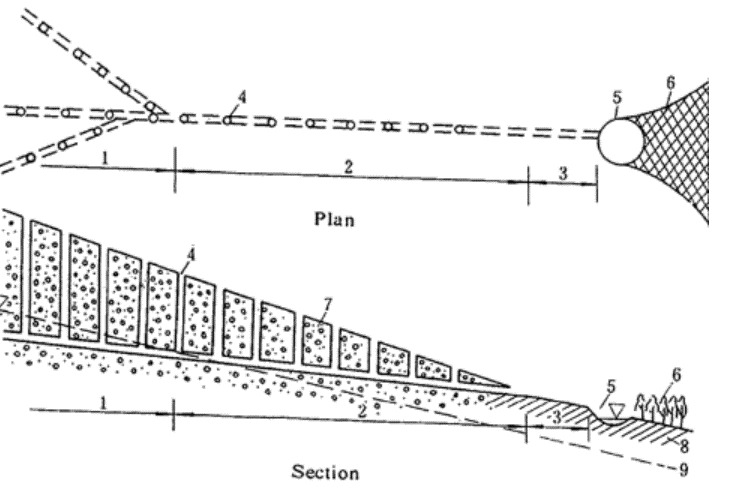
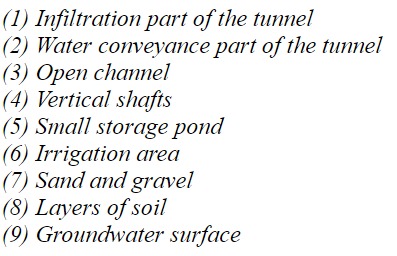
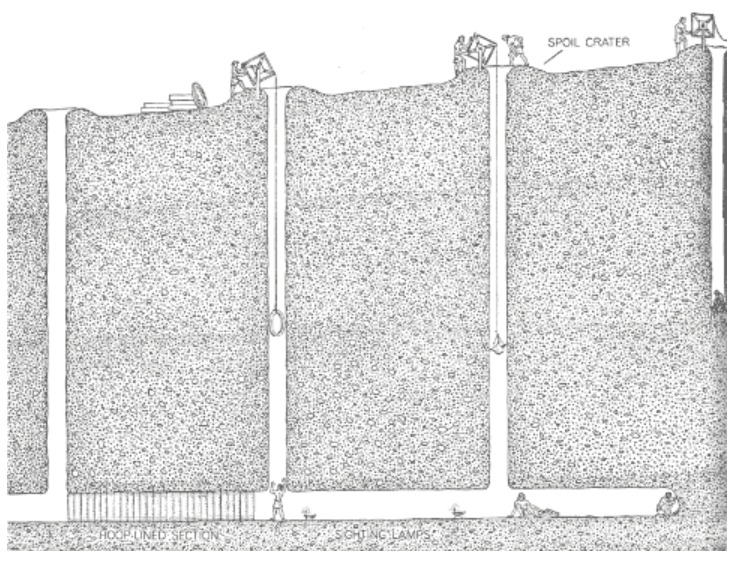
A qanat is a gently sloping underground channel designed to transport water from an aquifer or water well to the surface for irrigation and drinking purposes. This ingenious system involves a series of vertical shafts connected by a tunnel, allowing water to flow by gravity over many kilometers. The vertical ventilation shafts not only supply oxygen to workers who dug the aqueduct by hand but also serve as maintenance access points.
The Engineering Behind Qanats
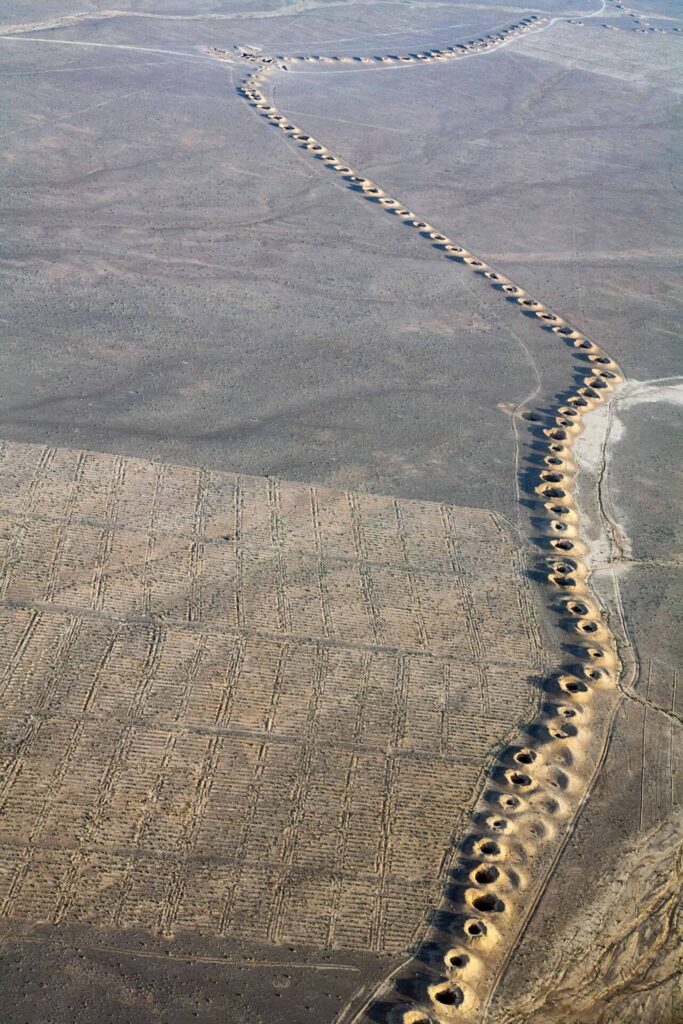
Constructed by skilled engineers in the first millennium BCE, qanats required precise planning and manual labor. Workers dug the aqueducts by hand, and the vertical shafts are visible from above ground, marking the path of the qanat. This alignment serves as a testament to ancient engineering prowess and sustainable water management techniques.
The Role of Qanats in Ancient Civilizations
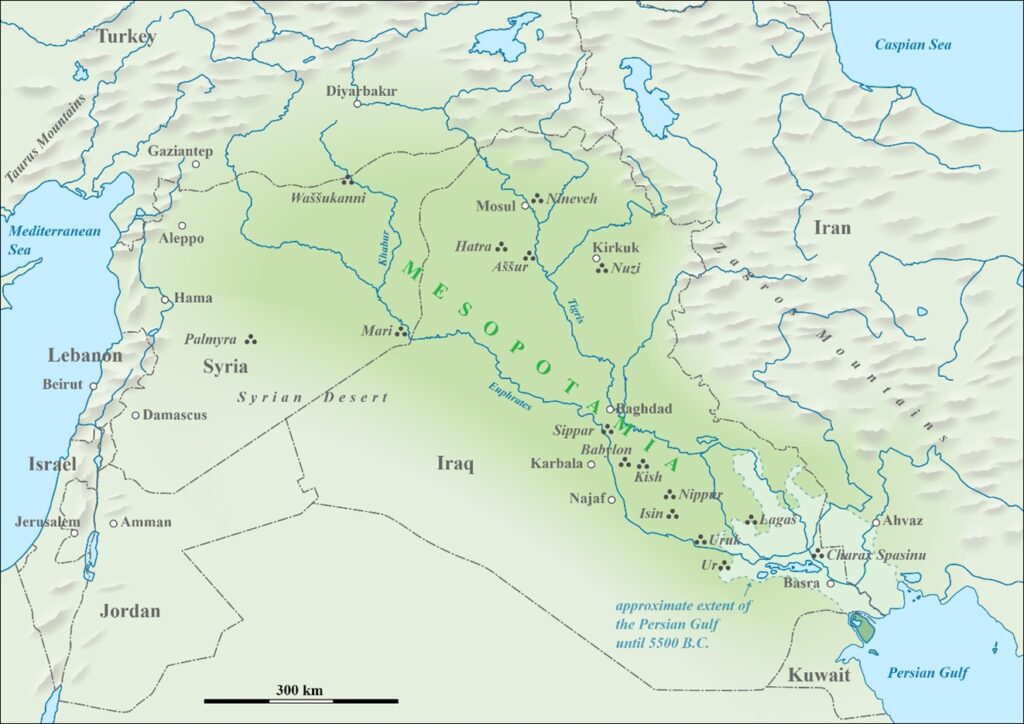
In the cradle of civilization—Mesopotamia or the Fertile Crescent—qanats were instrumental in the development of urban centers and agricultural practices. By providing a reliable drinking and irrigation water supply, they enabled communities to thrive in harsh environments. The region developed along the courses of the Euphrates and Tigris rivers, which now combine before entering the Persian Gulf.
Modern Relevance of Qanats
Today, many villages and towns in Iran and neighboring regions still rely on qanats. Efforts are underway to repair and restore decrepit qanats, recognizing their sustainable approach to water management. In an era where water scarcity is a growing concern, the qanat system offers valuable lessons in sustainable resource utilization.
Sewage and Urban Drainage in Ancient Mesopotamia
Contrary to earlier beliefs that Romans were the pioneers in sewage engineering, excavations in the 1920s at the ancient city of Ur revealed advanced sewage and drainage systems dating back over 3000 years. Clay pipes, remarkably similar to modern designs, were used for sewage networks and rainwater drainage, showcasing the sophistication of ancient Mesopotamian infrastructure.
The Discoveries of Sir Leonard Woolley
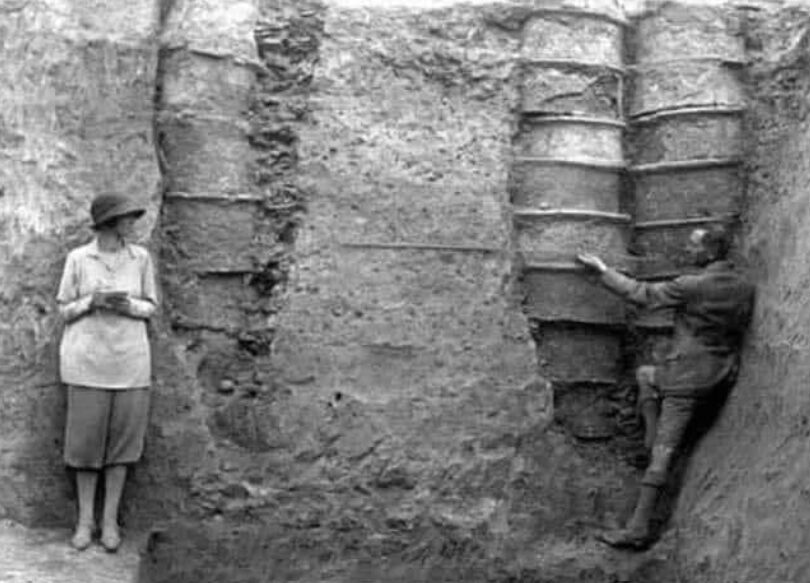
The archaeologist Sir Leonard Woolley and his wife Catherine unearthed pottery pipes in Ur, revealing the first foul water drainage system of the second millennium BCE. These pipes were made from clay, hand-thrown by potters, and hand-pressed into simple molds. All parts slotted together tightly and remained in remarkable condition millennia later.
The Legacy of Ancient Water Systems
The Fertile Crescent was not only the center of early civilization but also a hub of technological innovation in water management systems. The qanat system and advanced sewage networks underscore the ingenuity of ancient engineers and offer insights into sustainable practices relevant even today.
The ancient Persian qanat system exemplifies a harmonious blend of engineering excellence and sustainable resource management. As modern societies grapple with water scarcity and environmental challenges, revisiting and learning from these time-tested systems could be key to developing sustainable solutions for the future.
Published on Hasan Jasim
Leave a Reply