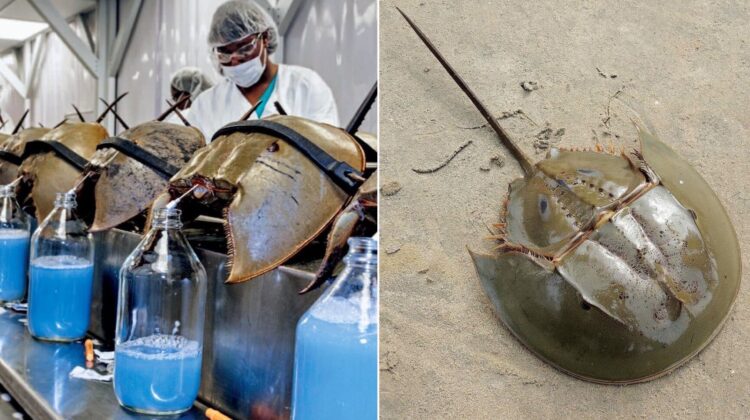
Imagine a creature that predates the dinosaurs by hundreds of millions of years, yet plays a critical role in safeguarding human health today. Meet the horseshoe crab — a “living fossil” whose blood has quietly underpinned modern medicine for the past 50 years.
An Ancient Body With an Unusual Blood Type
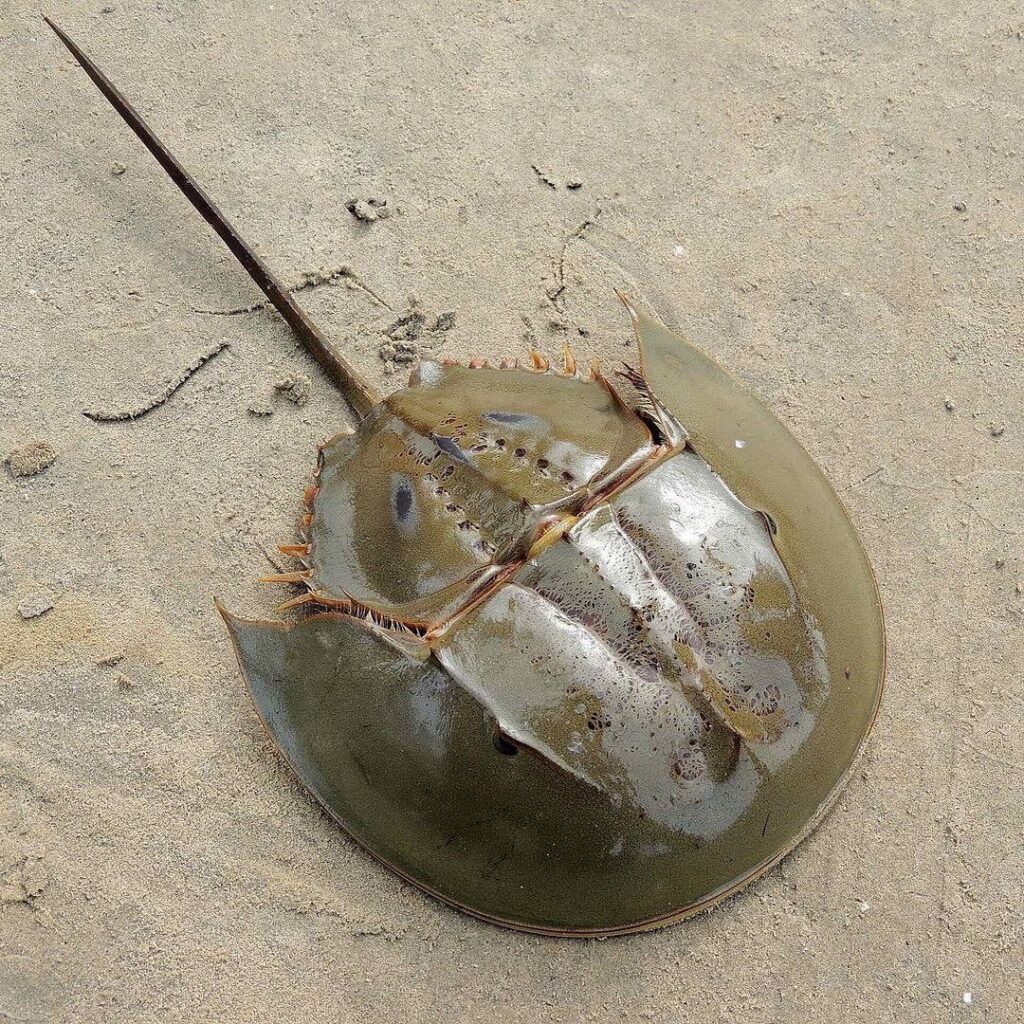
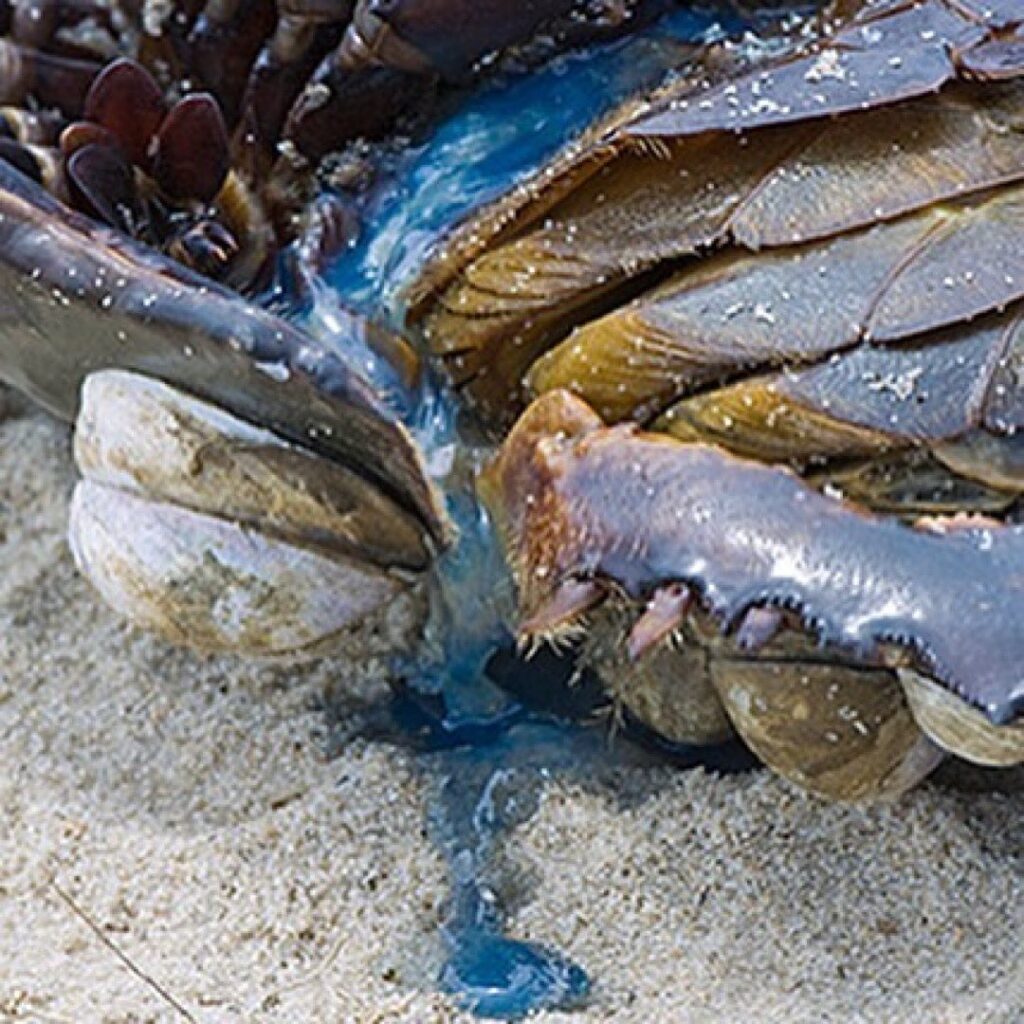
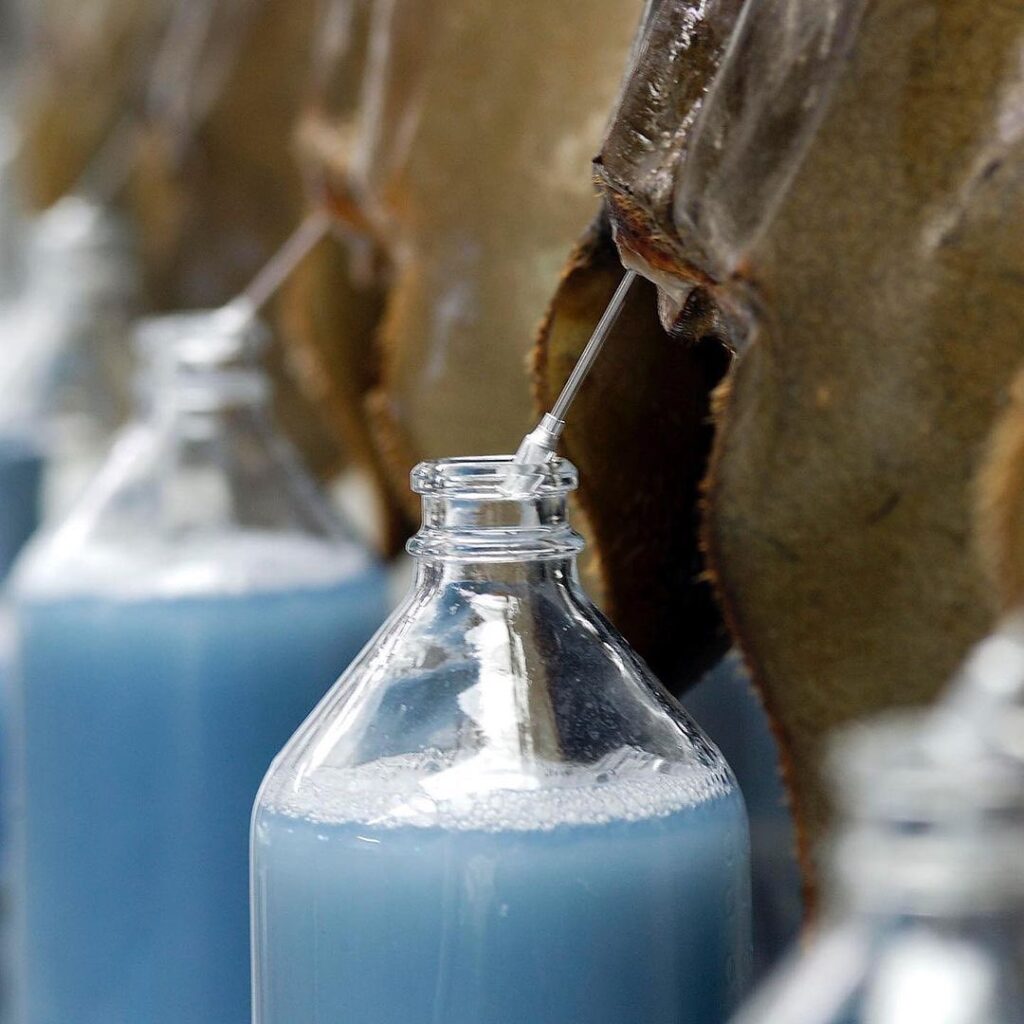
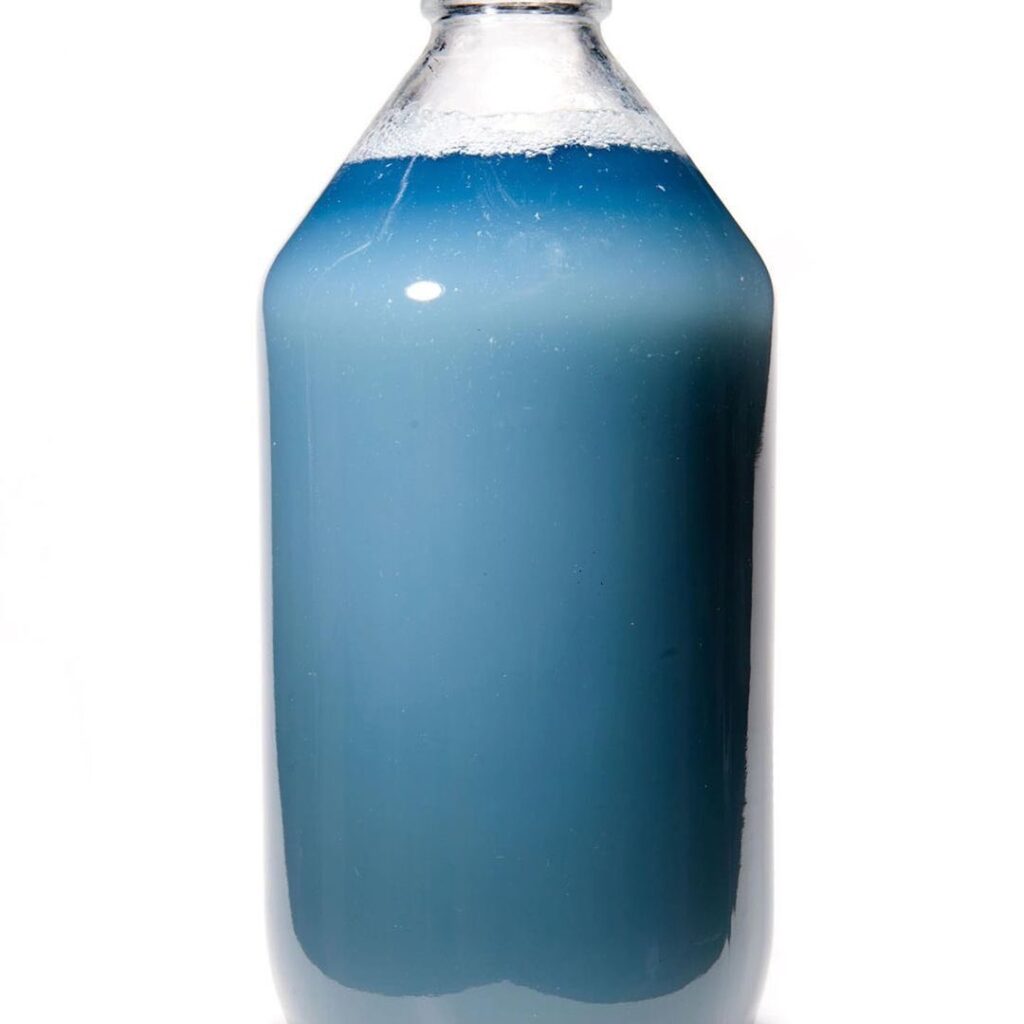
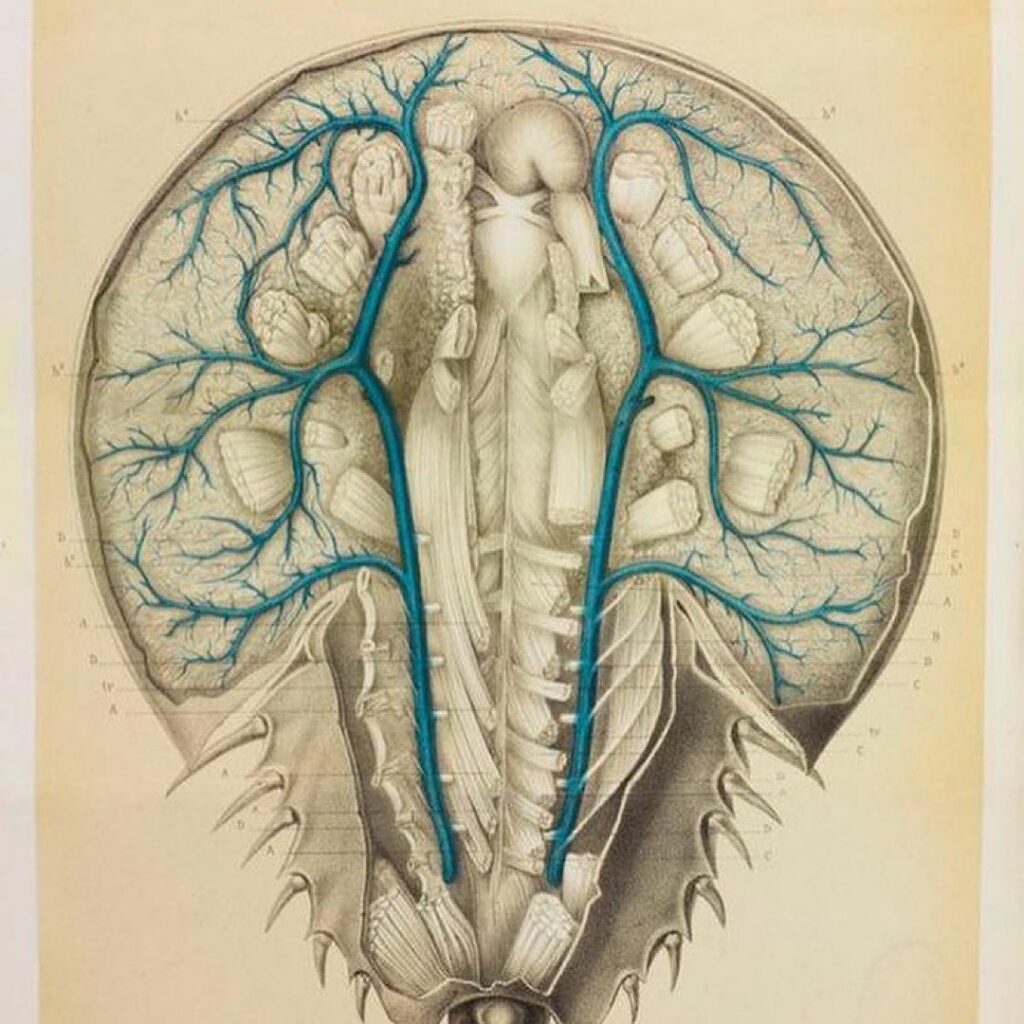
These helmet-shaped arthropods, with their spiky tails and five pairs of legs, have existed in Earth’s oceans for roughly 445 million years — meaning they predate dinosaurs by a considerable margin. Their true medical value lies in their blood: unlike human blood, horseshoe crab blood is copper-based, giving it a pale blue color, and contains specialized cells called amebocytes that clot almost instantly on contact with bacterial toxins called endotoxins.
Why That Blood Became a Medical Cornerstone
That clotting reaction became the basis for the Limulus Amebocyte Lysate (LAL) test, developed after pathobiologist Frederick Bang discovered the clotting phenomenon in the 1960s at the Marine Biological Laboratory, with hematologist Jack Levin later identifying the culprit as bacterial endotoxin. Since the 1970s, the LAL test has been the gold-standard method for screening vaccines, intravenous drugs, and medical devices for dangerous bacterial contamination before they reach patients.
A Species Under Pressure
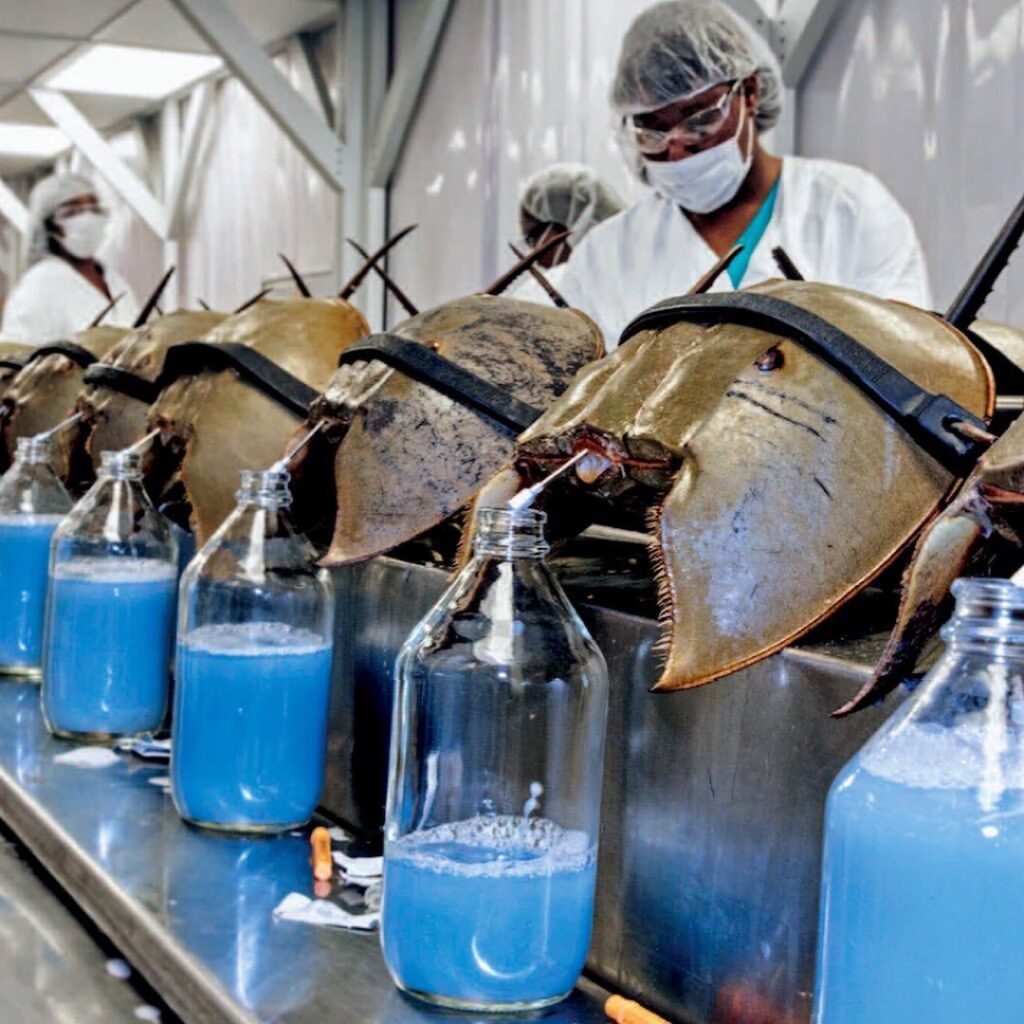
That medical value came at a real cost to the species. Horseshoe crabs have faced sharp population declines from a combination of overharvesting for bait in the fishing industry, coastal habitat loss, and the biomedical bleeding process itself — an estimated 30% of crabs captured for LAL extraction die as a result, according to conservation groups tracking the issue. The decline has also had ripple effects up the food chain, since migratory shorebirds like the red knot rely heavily on horseshoe crab eggs during migration stopovers.
The Update the Original Story Was Missing: A Real Alternative Now Exists
For years, hopes for reducing horseshoe crab bleeding rested on a synthetic alternative called recombinant Factor C (rFC) — a lab-produced version of the key clotting protein that doesn’t require harvesting any animal blood. Pharmaceutical company Eli Lilly had been using it since 2016, and it was already approved in Europe, Japan, and China, but the U.S. Pharmacopeia (USP) — the body that sets pharmaceutical testing standards in the United States — had been slow to formally recognize it as equivalent to LAL.
That changed on August 22, 2023, when USP announced Chapter 86, a new regulatory standard placing recombinant endotoxin testing on equal footing with traditional LAL testing. According to the Marine Biological Laboratory, the chapter officially took effect on May 1, 2025 — meaning U.S. drug manufacturers can now use synthetic rFC testing without the regulatory hesitancy that previously discouraged adoption. Research indicates the shift could reduce horseshoe crab bleeding by as much as 90% as more of the pharmaceutical industry adopts it.
Major pharmaceutical companies including GSK, Amgen, and Sanofi have already adopted synthetic testing, citing cost, quality, and supply-chain reliability advantages on top of the conservation benefit.
What Still Needs to Happen
Regulatory approval doesn’t mean overnight adoption — LAL testing remains deeply embedded in existing manufacturing processes, and switching requires validation work that many companies are still in the process of completing. Conservation groups are now focused on pushing individual pharmaceutical companies to actually transition, rather than simply having the option available.
How You Can Help
- Support horseshoe crab conservation organizations working on population monitoring and habitat protection along the Atlantic coast.
- Be mindful of seafood and bait choices — demand for baitfish has historically driven parallel demand for horseshoe crabs as bait.
- If you work in or follow the pharmaceutical industry, awareness of which companies have adopted rFC testing (versus those still relying solely on LAL) is itself a meaningful piece of consumer and investor pressure, as groups like As You Sow have highlighted in shareholder advocacy campaigns.
Frequently Asked Questions
Is horseshoe crab blood testing still used at all now that an alternative exists? Yes — LAL testing remains widely used across the pharmaceutical industry, since regulatory approval of the synthetic alternative in 2025 doesn’t force companies to switch; adoption is happening gradually as manufacturers validate the new method for their specific products.
Are horseshoe crabs actually endangered? The American horseshoe crab is not currently listed as endangered in the U.S., but populations have declined enough that some conservation groups say it’s approaching the threshold, and some states have already restricted or banned harvesting.
Does the synthetic alternative work as well as real horseshoe crab blood? Multiple studies have found recombinant Factor C to be highly effective and, in some respects, more consistent than blood-derived LAL, though some researchers note that longer-term, large-scale comparative data is still being gathered as adoption expands.
Sources: Marine Biological Laboratory, U.S. Pharmacopeia, Revive & Restore, and published research on recombinant Factor C testing, cited above.
Leave a Reply