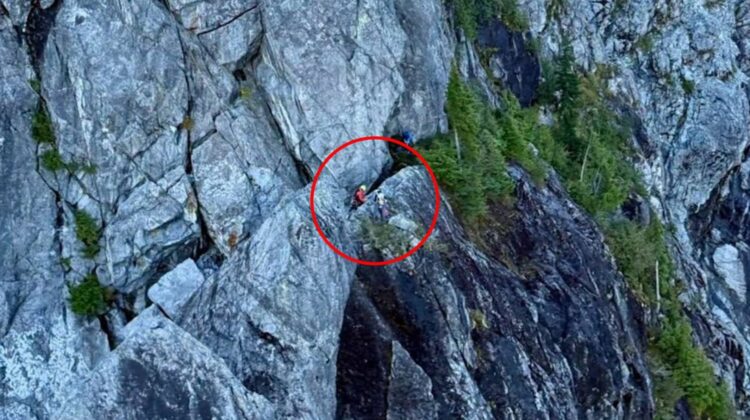
A solo teenage hiker in British Columbia learned in the worst way that a confident-sounding route is not the same as a safe one. On October 3, 2026, he was lifted off Crown Mountain by helicopter after an AI-planned route led him into technical climbing terrain.
A Morning Hike That Went Wrong
The teen rode the gondola up Grouse Mountain around 8 a.m., planning to hike to Crown Mountain, about a 40-minute drive north of Vancouver. According to CTV News, the AI-generated plan sent him through Crown Pass, Crater Slabs and Crown Couloir, and somewhere along the way he strayed far from the standard hiking route.
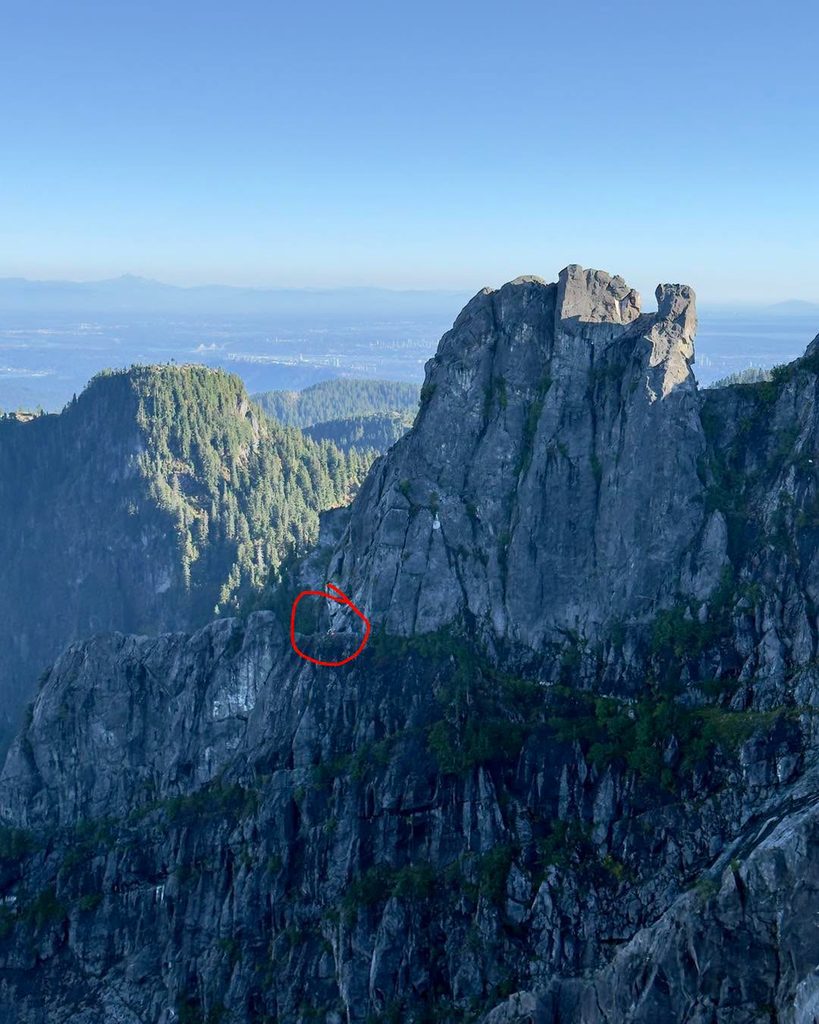
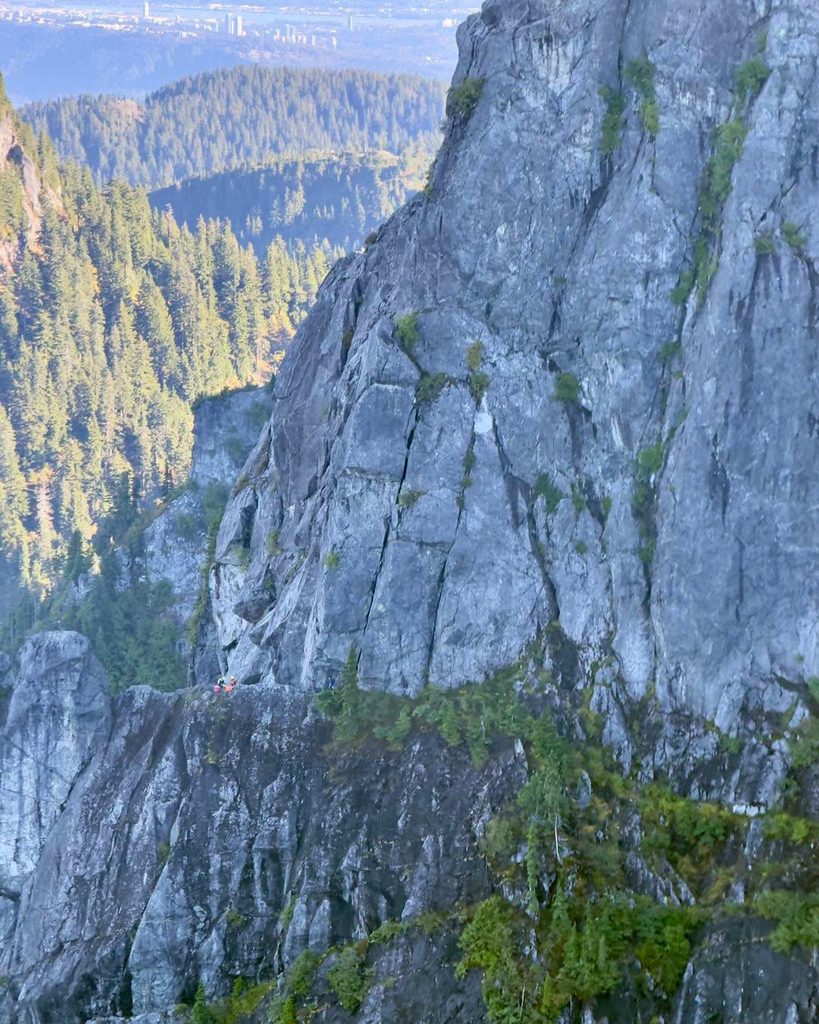
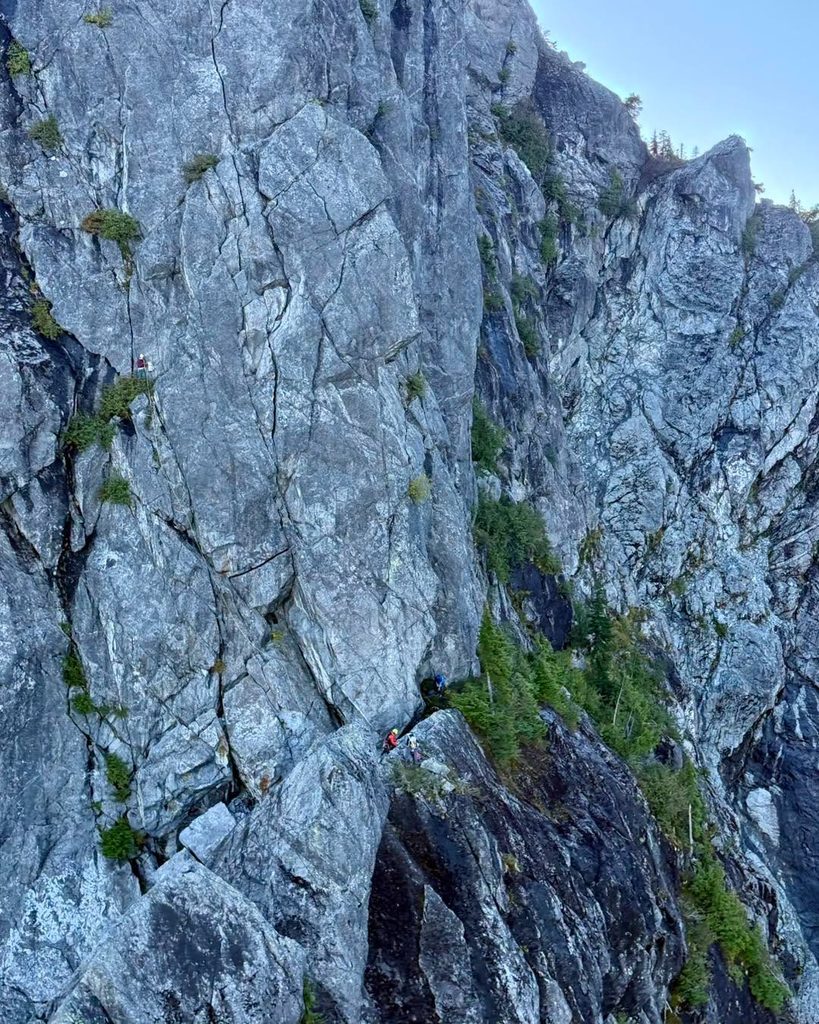
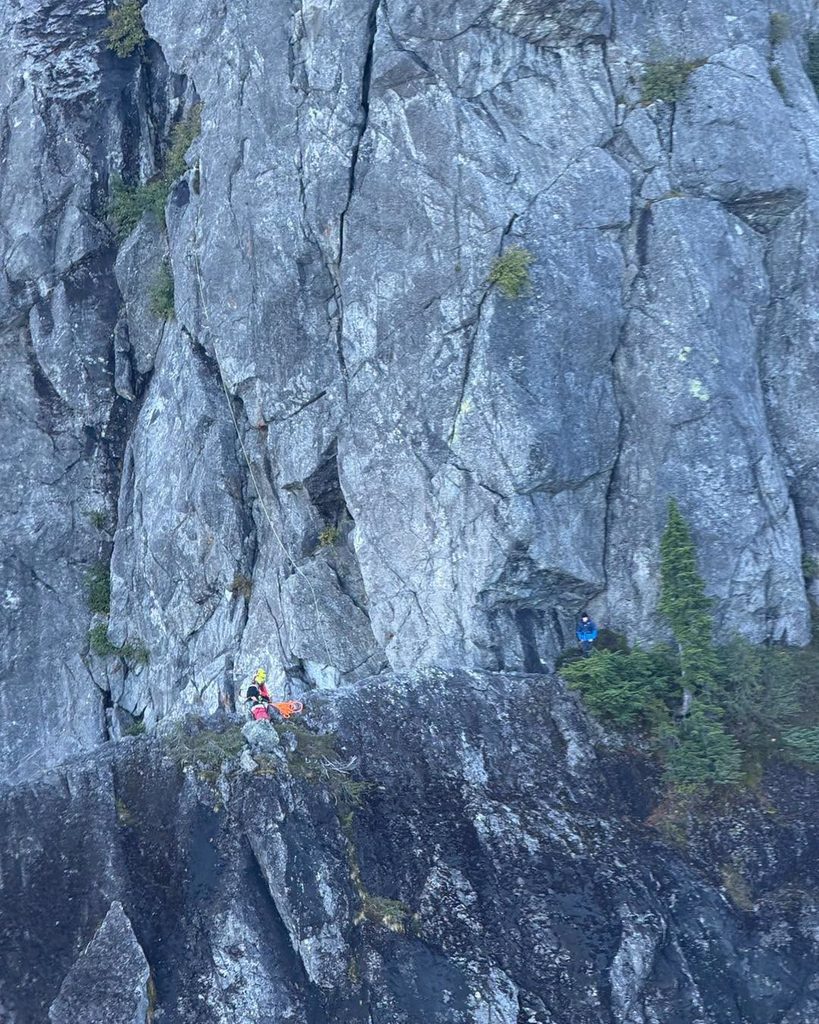
By mid-afternoon he was stuck at the base of the final headwall of the Widowmaker Arete, a steep climbing route, and called for help. North Shore Rescue got the call just before 3:30 p.m.
A Rescue From the Air
Search manager Paul Markey said the teen was too close to the vertical wall for the helicopter to land its crew beside him. Two rescue technicians were lowered above his location, set up an anchor, and one of them was belayed down to him. They moved him to a safer spot for extraction, and he was hoisted off the mountain. The mission ended shortly before 6:30 p.m.
By chance, North Shore Rescue volunteers had been training with a helicopter on Crown Mountain that same morning. “The boy was very scared,” Markey told North Shore News. “He definitely feared for his life.” A fall, he told CTV, could have meant serious injury or death.
The Warning From Rescuers
Markey said it was the first North Shore Rescue call he had seen involving someone who followed an AI-planned route. North Shore News did not name the tool, but CTV News reported the teen had used Anthropic’s Claude chatbot. Markey told CTV that the chatbot “has never been in the outdoors,” and urged hikers to do their own research and supplement it with training and navigation skills.
His broader advice: “You can’t just blindly follow what AI is proposing to you.” He recommends using established route-planning tools such as Gaia GPS, CalTopo or AllTrails, and checking whether any suggestion makes sense.
Not the First Time
Similar incidents have been reported elsewhere. On California’s Mount Shasta, a group of hikers needed rescue after following AI advice that left them underprepared, as other outlets have reported. The common thread is that chatbots can sound authoritative while having no real way to tell a trail from a cliff.
Gear That Helps You Stay Found
Preparation, not just a good route, keeps hikers safe. Popular choices include:
- Navigation apps. Compare hiking GPS apps and offline trail maps such as Gaia GPS, CalTopo or AllTrails, and download routes before you leave service.
- Satellite communicators. A satellite messenger or personal locator beacon can call for help when your phone has no signal.
- Outdoor insurance. Travel insurance or adventure sports insurance with medical and evacuation coverage can protect you on trips.
- Safety basics. A headlamp, first aid kit, emergency blanket and extra water belong in every pack.
- Skills. Navigation courses and wilderness first aid training teach you to handle problems on your own.
- Footwear and gear. Quality hiking boots and trekking poles reduce the chance of a fall.
Frequently Asked Questions
What happened to the teen? A 16-year-old hiker was stranded at the base of a climbing route called the Widowmaker on Crown Mountain and rescued by helicopter.
Was he hurt? Reports described him as frightened but he made it off the mountain safely.
Which AI tool did he use? CTV News reported it was Anthropic’s Claude, while North Shore News did not identify the tool.
What do rescuers recommend? Use established route-planning apps and your own research, and question any AI-suggested route.
Sources: CTV News, North Shore News, Gizmodo, and Unofficial Networks, all covering the October 3, 2026 helicopter rescue of a 16-year-old stranded on Crown Mountain in British Columbia after following an AI-planned hiking route.
Leave a Reply