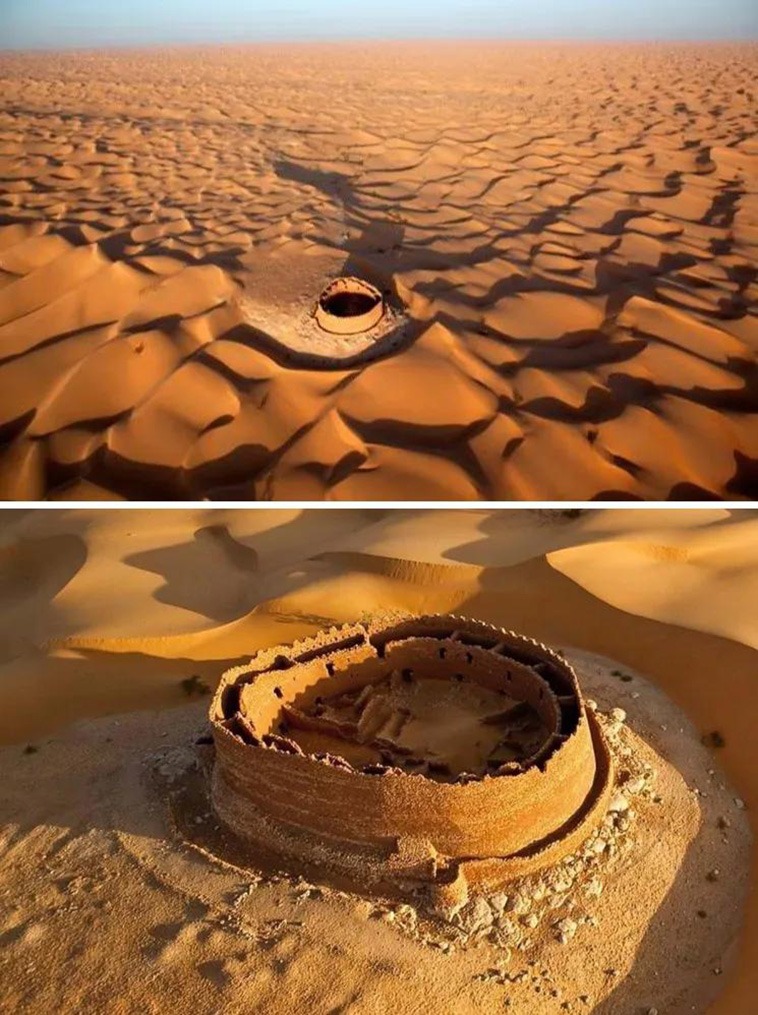
The Ksar Draa in Timimoun, Algeria
The Ksar Draa in Timimoun, Algeria, is an ancient ruin that stands out in the middle of an ocean of dunes. Ksar Draa is one of the famous monuments in Algeria. It is located within the Timimoun desert and is characterized by its circular design and is believed to date back to about 1,000 years or more. It is among a series of circular palaces that were built in the desert. It is said that this design aims to protect the palace from erosion and to be appropriate With the movement of the wind, as for the history of the palace, information about it is still unknown even to the local residents.
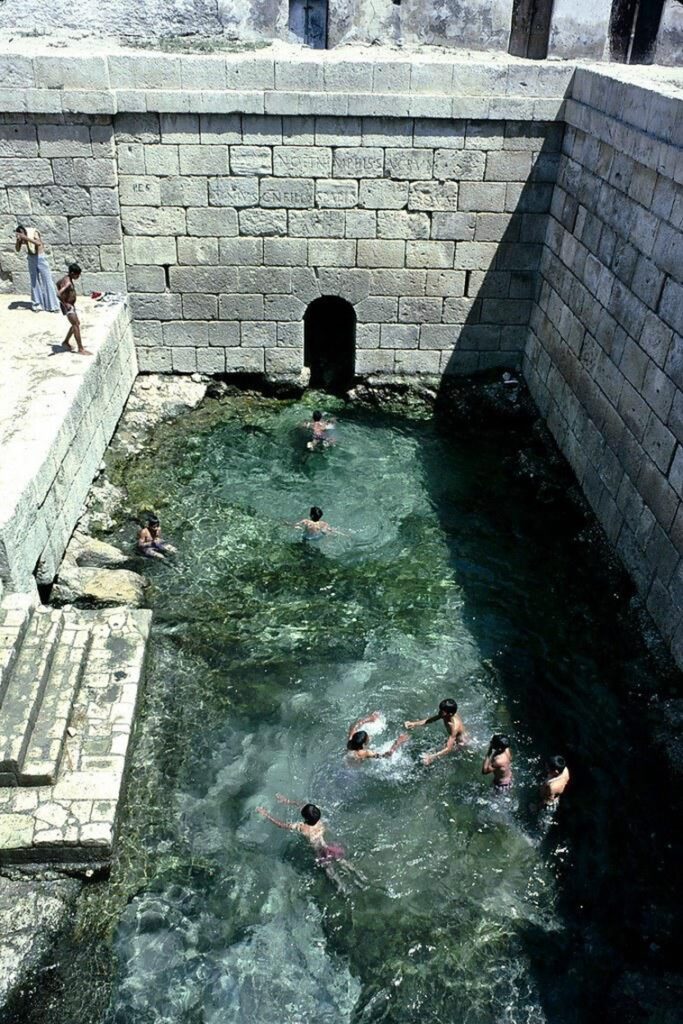
Roman Pools of Gafsa, in Tunisia
One of the three Roman pools of Gafsa, in Tunisia, two of which are open. Built-in the 2nd century BCE, they are about five meters deep and are fed by hot water springs
Herodium
The Herodium, also called Har Hordus (meaning “Mount Herodes”), is an archaeological site and ancient palace fortress, located at Ar-Rahniah in the Judaean Desert on the West Bank. The most prominent monuments in the layout of the Herodium consists of the upper palace/fortress situated on the hill, overlooking a large pool complex in the lower Herodium, a lower palace, residential buildings, a theatre, and storage areas.

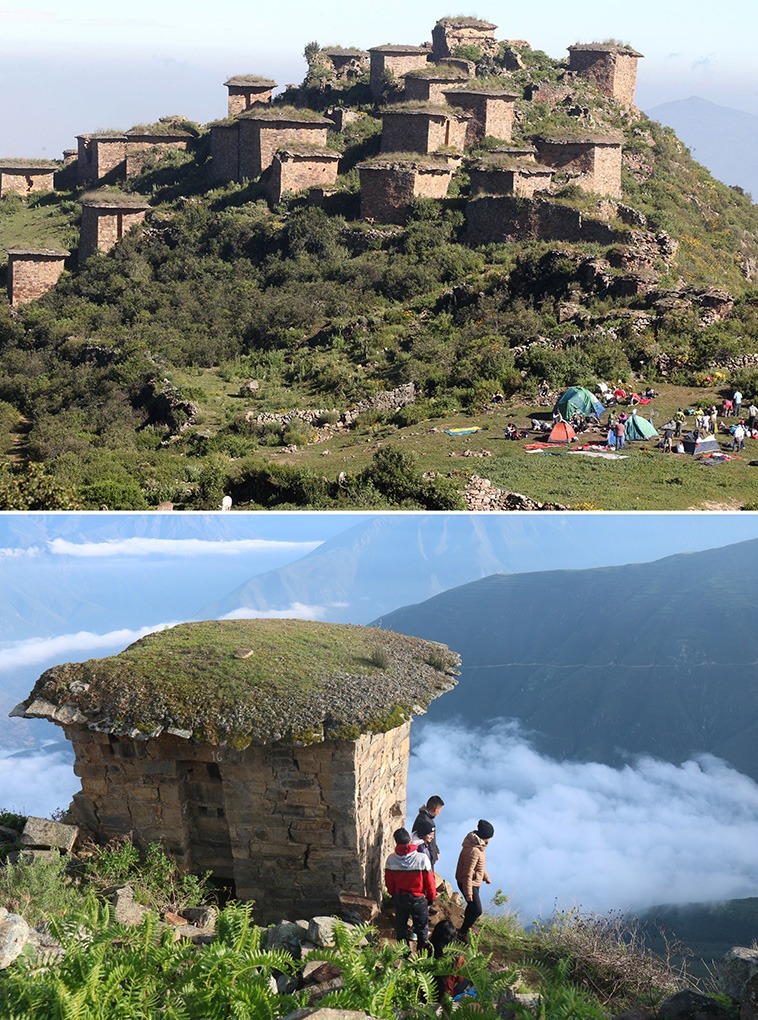
Archaeological Complex of Rúpac
Rúpac is an archaeological site that belongs to the Atavillos culture. It is also known as the “Machu Picchu of Lima”, due to its location, on a peak located at more than 3400 meters above sea level. Located in Peru on top of a mountain, the buildings were built of stone and date to around 1200 CE
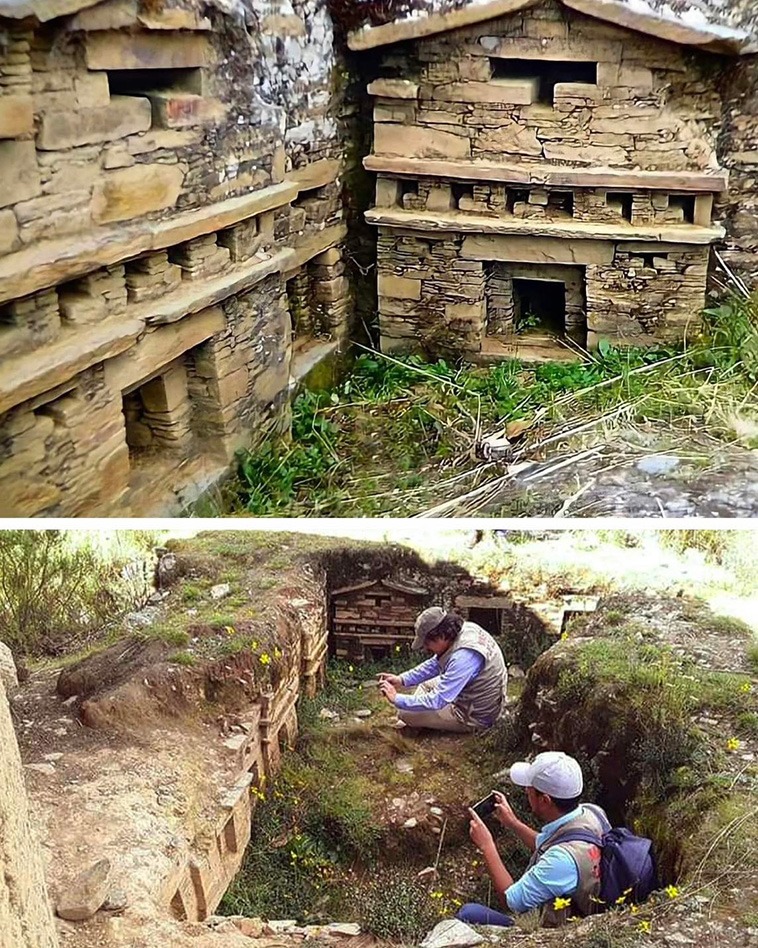
The mysterious architectural stone models at the archaeological site of Awkimarka in Peru.
They measure between 40 and 50 cm. Date and purpose unknown
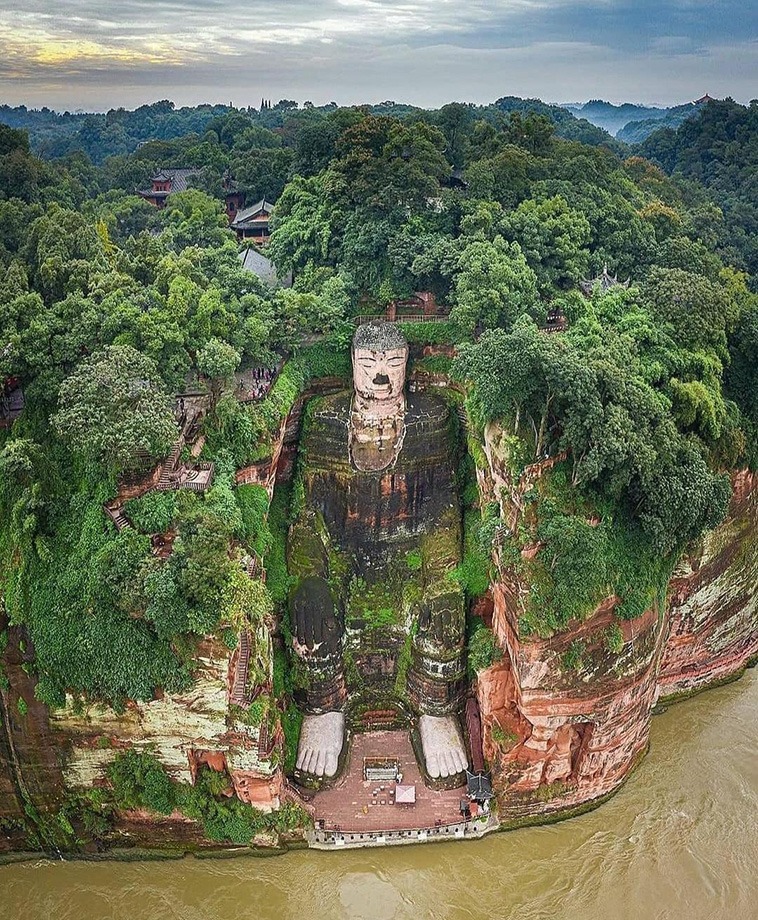
Leshan Giant Buddha
The Leshan Giant Buddha is a 71-meter (233 ft) tall stone statue, built between 713 and 803 (during the Tang dynasty). It is carved out of a cliff face of Cretaceous red bed sandstones that lies at the confluence of the Min River and Dadu River in the southern part of Sichuan province in China, near the city of Leshan. The stone sculpture faces Mount Emei, with the rivers flowing below its feet. It is the largest and tallest stone Buddha statue in the world and it is by far the tallest pre-modern statue in the world.
The Mount Emei Scenic Area, including Leshan Giant Buddha Scenic Area, has been listed as a UNESCO World Heritage Site since 1996.
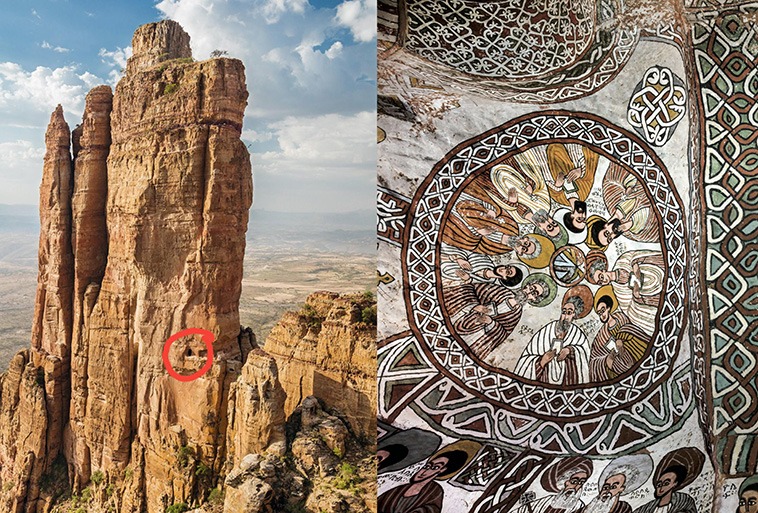
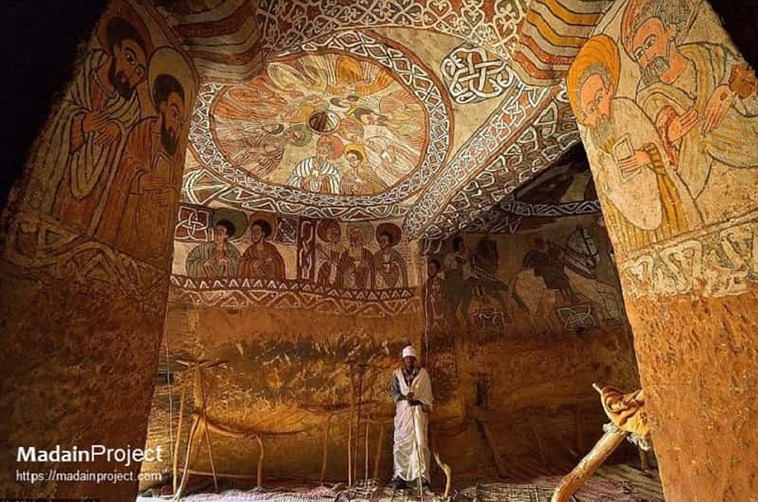
Abuna Yemata Guh is a monolithic church located in the Tigray Region, Ethiopia.
It is situated at a height of 2,580 metres (8,460 ft) and has to be climbed on foot to reach. It is notable for its dome and wall paintings dating back to the 5th century and its architecture.
The church is one of the “35-odd rock-hewn churches, the largest concentration anywhere in Ethiopia.” The entrance is reached by a steep and hazardous ascent with hand and footholds in the rock. Visitors have to cross a natural stone bridge with a sheer drop of approximately 250m on either side and thereafter a final narrow wooden footbridge.
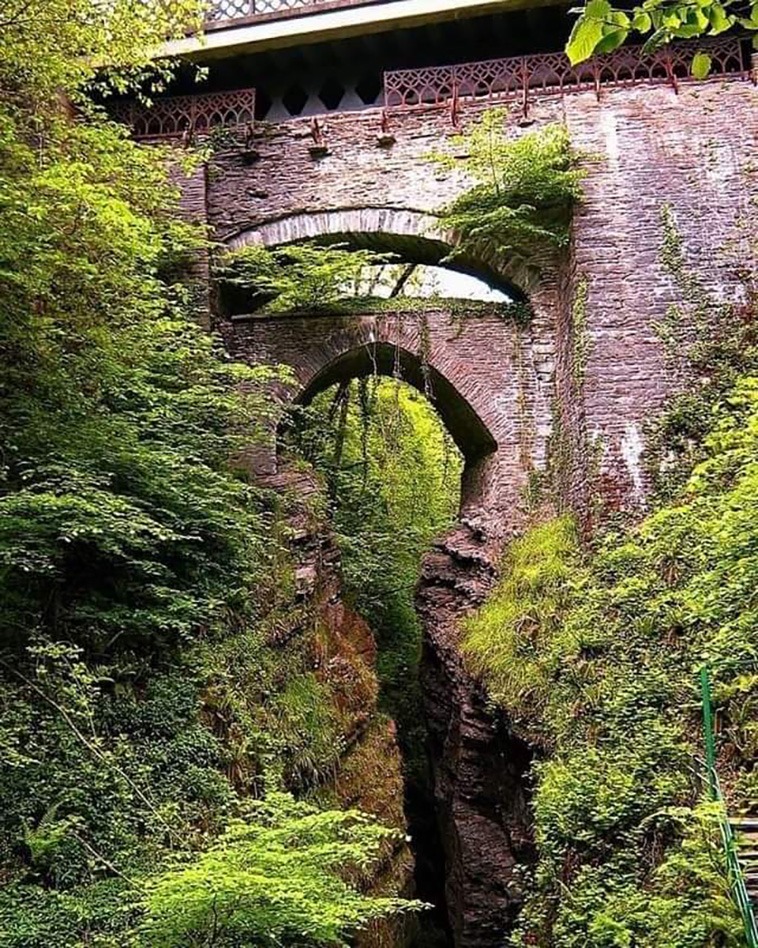
The Devils Bridge in Ceredigion, Wales, comprises three bridges built on top of each other, dating from 1100, 1753 and 1901.
The uppermost span was constructed in 1902 over another stone bridge built in 1753 and the original dating all the way back to as early as 1075–1200. The original bridge was not demolished; rather it was used to support scaffolding during construction. A set of stairs known, fittingly, as Jacob’s Ladder descends the ravine to the first bridge.
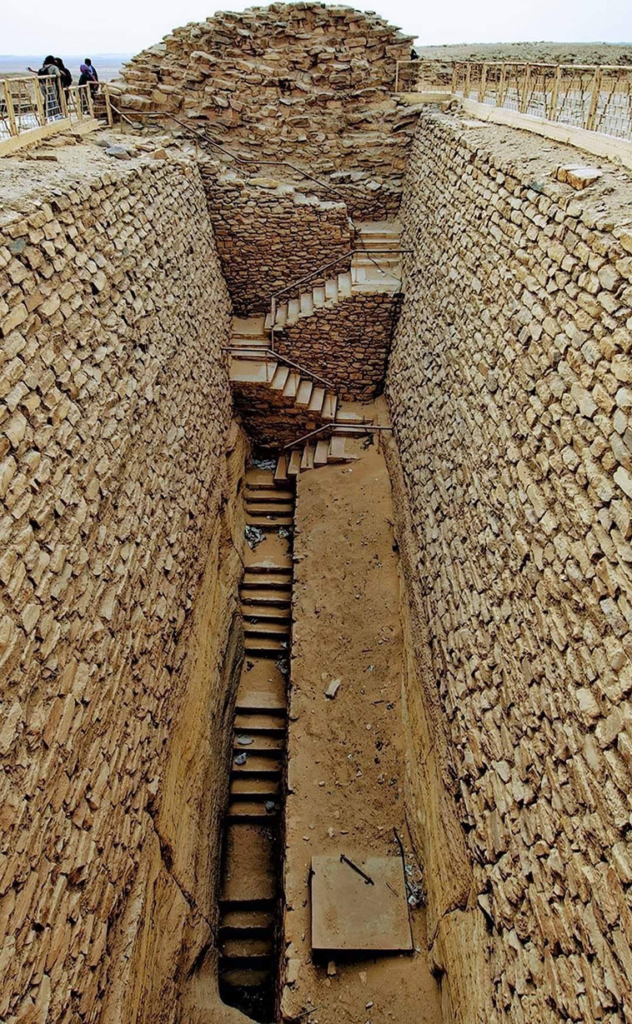
Stairs in the southern part of the stepped pyramid of Djoser, Saqqara, Egypt
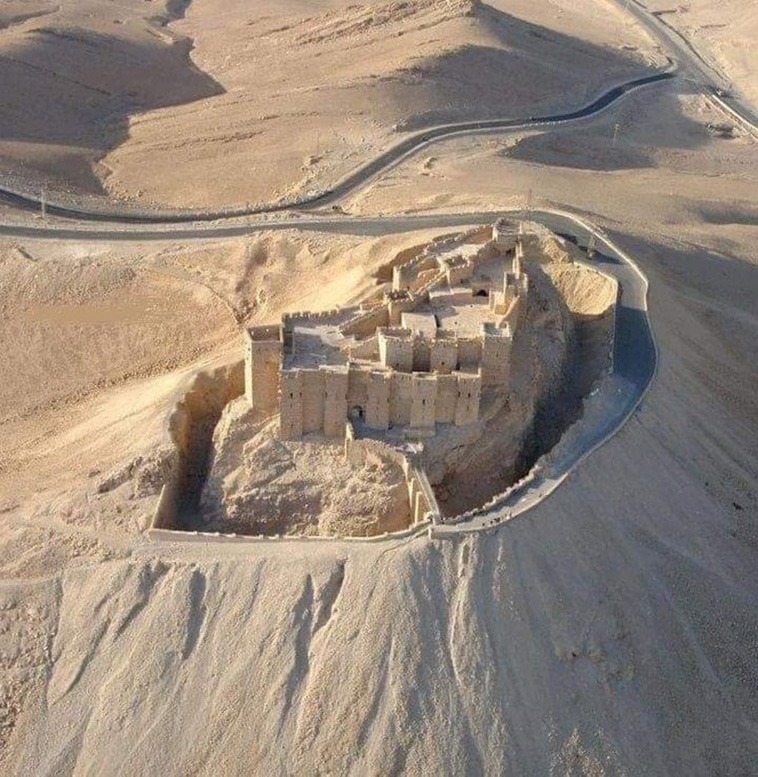
The 13th century Palmyra Castle, also known as Fakhr-al-Din al-Ma’ani Castle, Syria
Palmyra Castle is thought to have been built by the Mamluks in the 13th century on a high hill overlooking the historic site of Palmyra and is named for the Druze emir Fakhr-al-Din II, who extended the Druze domains to the region of Palmyra during the 16th century. The castle became a UNESCO World Heritage Site in 1980 as part of the site of Palmyra.
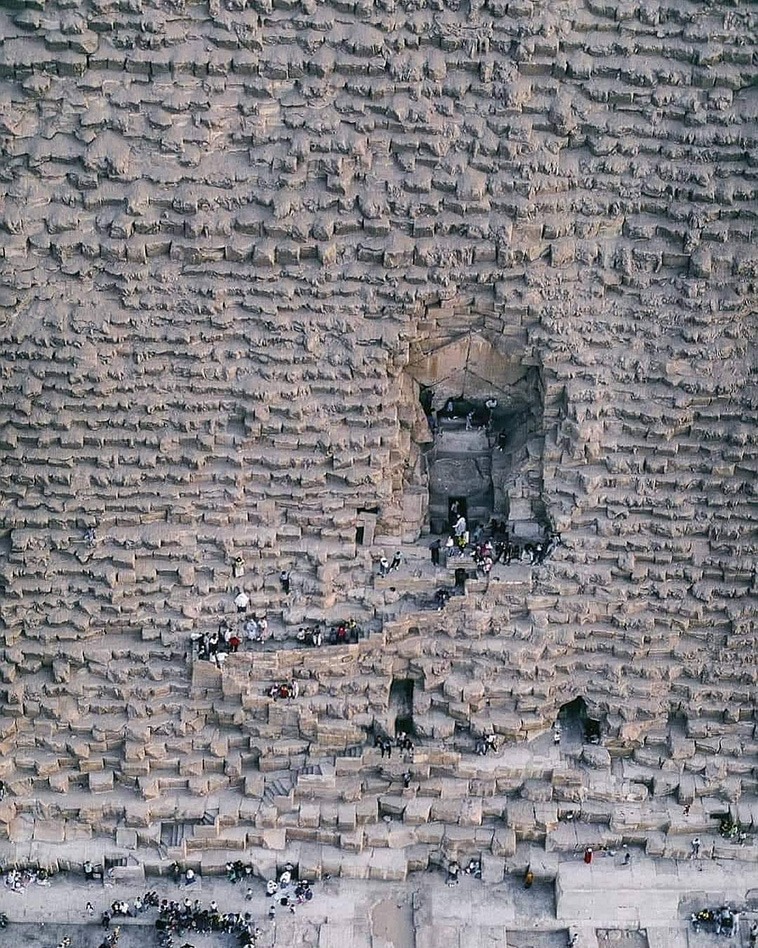
The entrance to the Great Pyramid of Khufu
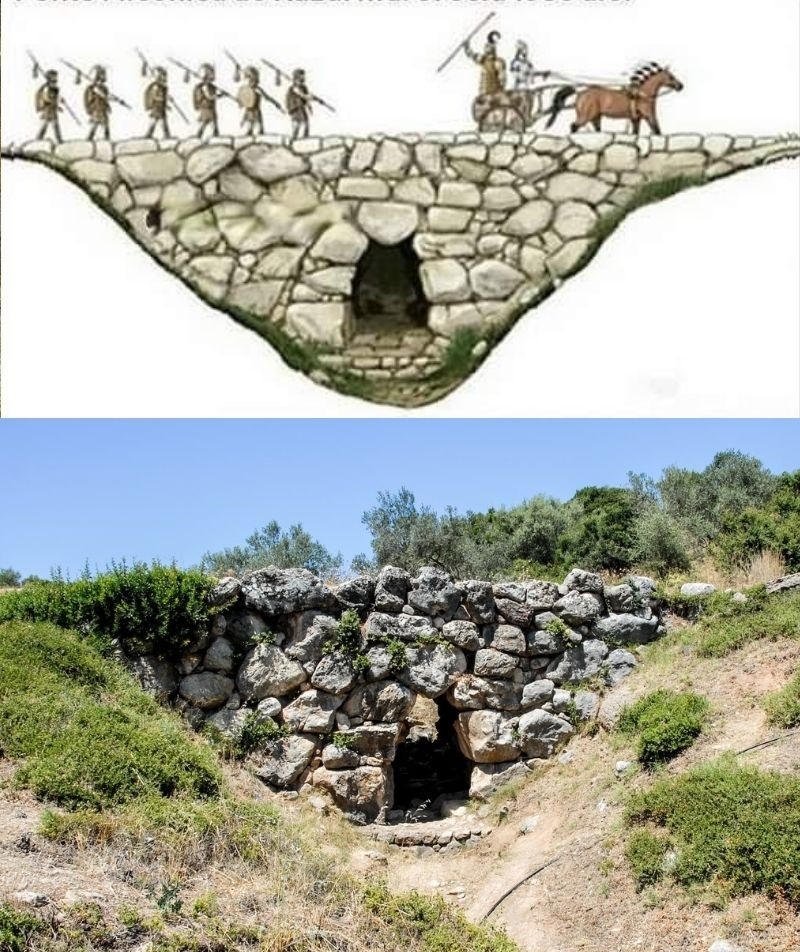
Arkadiko Bridge, the 3.300-year-old Chariot Bridge is still in use
The Arkadiko Bridge or Kazarma Bridge was built between 1300 and 1190 BCE, making it one of the oldest still-used arch bridges still in existence. It was built on a road that linked Tiryns to Epidaurus and was part of a larger military road system.
The bridge was built using Cyclopean masonry, with limestone boulders, smaller stones, and little pieces of tile assembled tightly together without mortar. It stretches 72 feet long, 18 feet wide, and 13 feet tall.
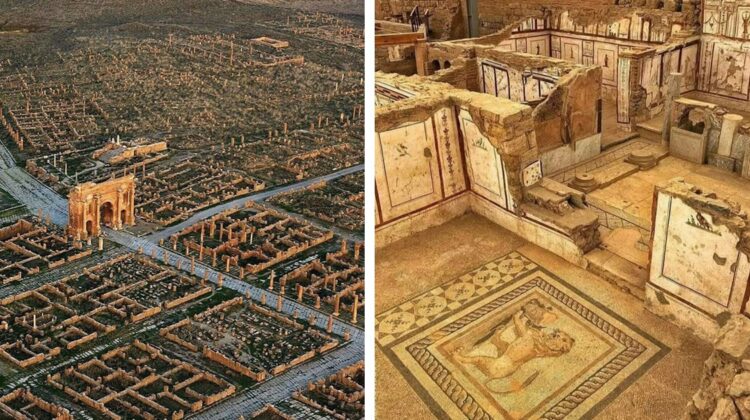
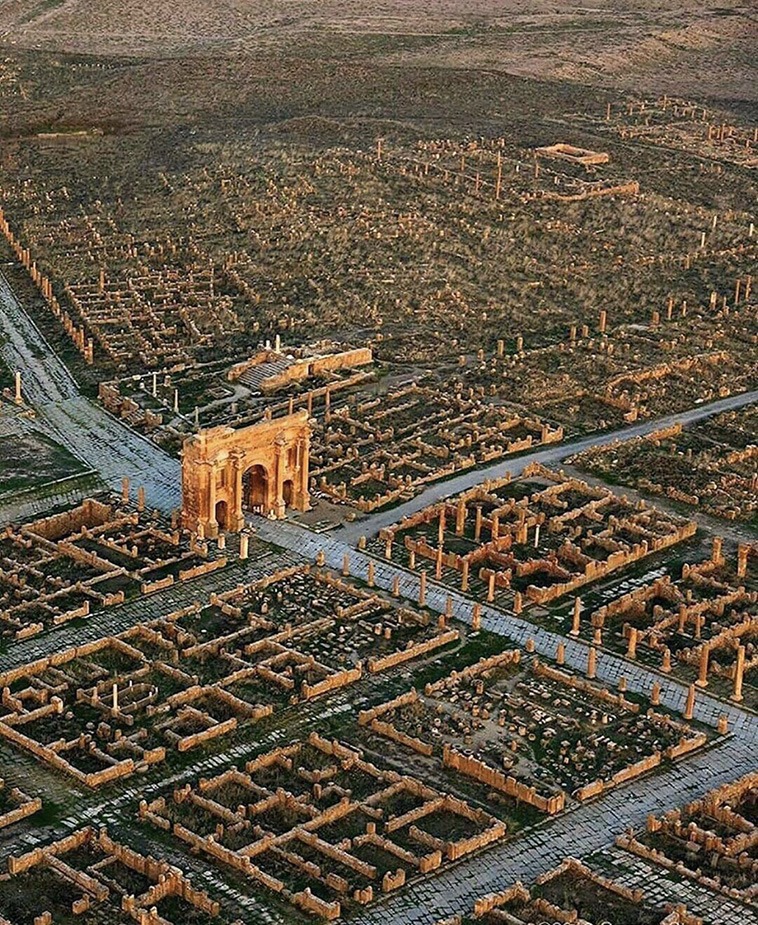
The ancient Roman city of Timgad in the Aurès Mountains of Algeria. It was founded by the Emperor Trajan around 100 CE, and its ruins are noteworthy for representing one of the best extant examples of the grid plan as used in Roman town planning
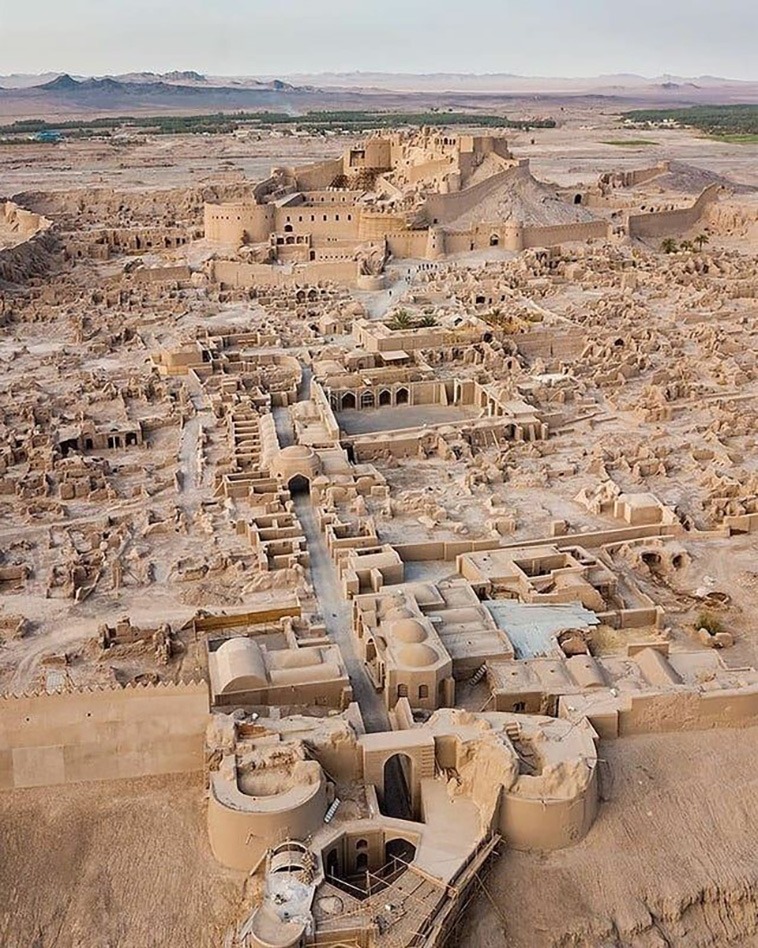
Bam Citadel, alson known as Arg-e Bam, is a historical castle complex located in Bam district of Iran.
The origins of Bam can be traced back to the Achaemenid period (6th to 4th centuries BC). Its heyday was from the 7th to 11th centuries, being at the crossroads of important trade routes and known for the production of silk and cotton garments.
On December 26, 2003, the Citadel was almost completely destroyed by an earthquake, along with much of the rest of Bam and its environs. After the restoration plan, it was included in the UNESCO World Heritage List in 2004.
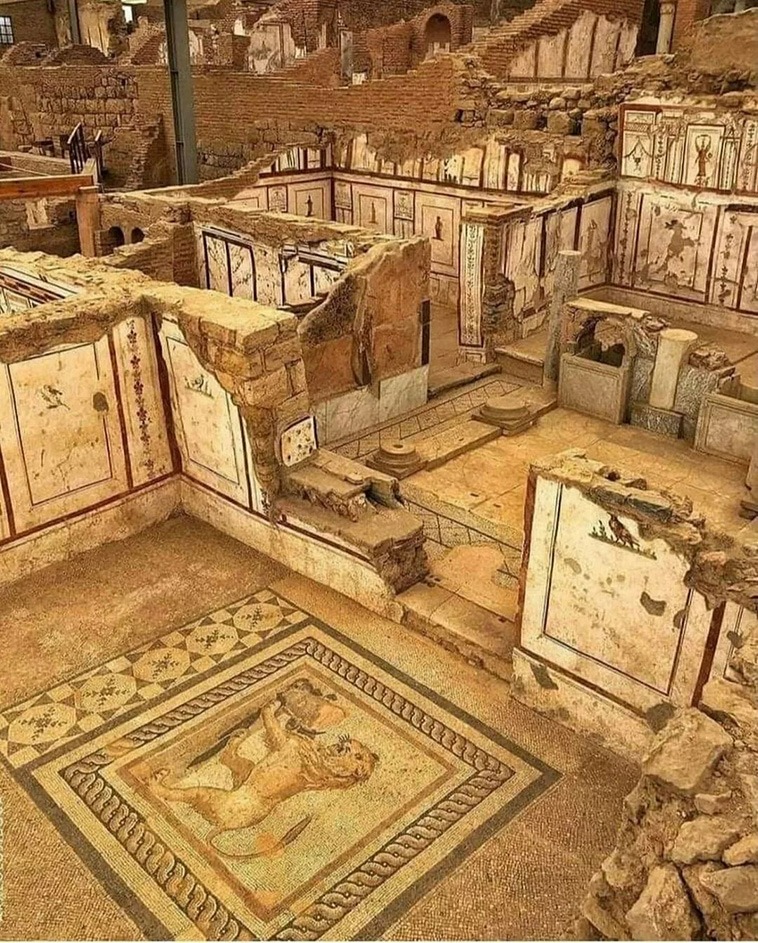
Ephesus terrace houses are located on the hill, opposite the Hadrian Temple.
Also called as “the houses of rich”, important for the reason give us information about family life during the Roman period. They were built according to the Hippodamian plan of the city in which roads transected each other at right angels.
There are six residential units on three terraces at the lower end of the slope of the Bulbul Mountain. The oldest building dates back into the 1C BC and continued in use as residence until the 7C AD.
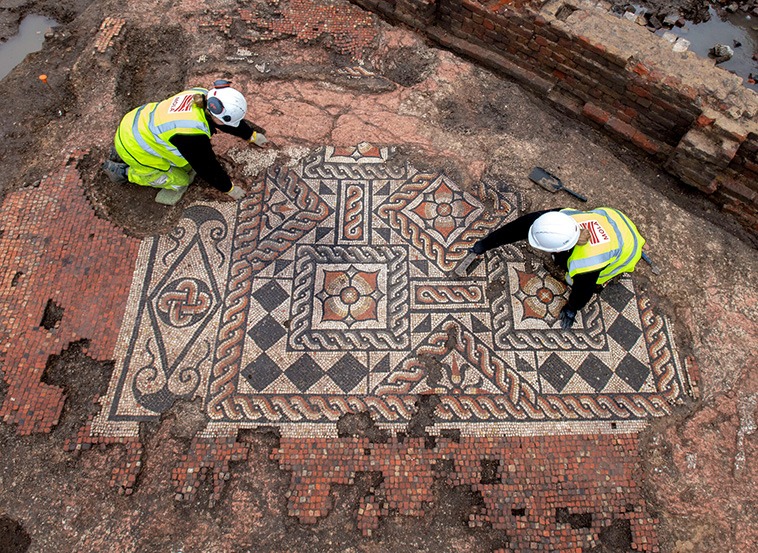
Archaeologists excavating a construction site in South London have discovered a Roman-era mosaic floor thought to be at least 1,800 years old — a “once-in-a-lifetime” find that one said is the “largest area of decorated mosaic discovered in London in the past 50 years.”
Meymand is a very ancient village in Iran. It is believed to be a primary human residence in the Iranian Plateau, dating back to 12,000 years ago. Many of the residents live in the 350 hand-dug houses amid the rocks, some of which have been inhabited for as long as 3,000 years

Leave a Reply