• Skip to main content
  • Skip to primary sidebar
  • Skip to footer
  • Home
  • About Us
  • Copyright Report
  • Submit Content
  • Terms
  • Privacy Policy
  • Legal Disclaimer

Hasan Jasim

Hasan Jasim is a place where you may get entertainment, viral videos, trending material, and breaking news. For a social generation, we are the largest community on the planet.

Australians Have Accidentally Been Eating A Fish Unknown To Science

by Hasan Jasim Editorial Team Leave a Comment

ShareTweet

In an intriguing turn of events, it appears that Australians have been consuming a fish species previously unknown to science. This newly identified species, a type of grouper, has been given the scientific name Epinephelus fuscomarginatus.

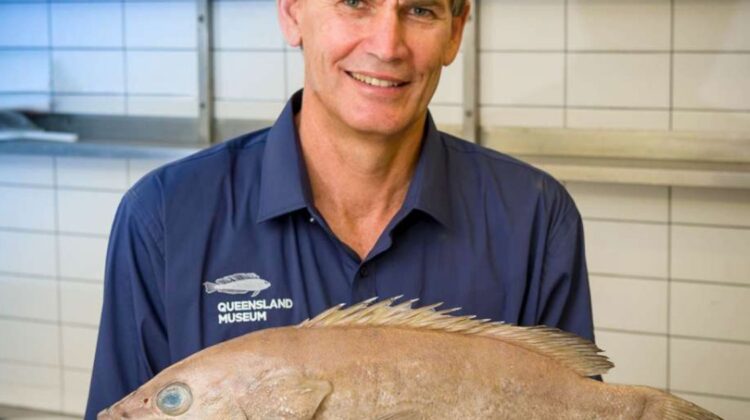
The journey to this discovery began back in 2000 when Jeff Johnson, a fish expert at the Queensland Museum, was shown photographs of an unfamiliar grouper by a fisherman. Although Johnson was presented with more images over the years, he was unable to obtain physical specimens as they were consistently sold for food. It wasn’t until 2017 that Johnson finally managed to acquire five of these mystery fish from a Brisbane fish market. He promptly set about proving they were indeed a new species.

“As soon as I saw them, I thought they were probably a new species, so I purchased all five and began the hard work of formally proving they were a new species,” Johnson stated.
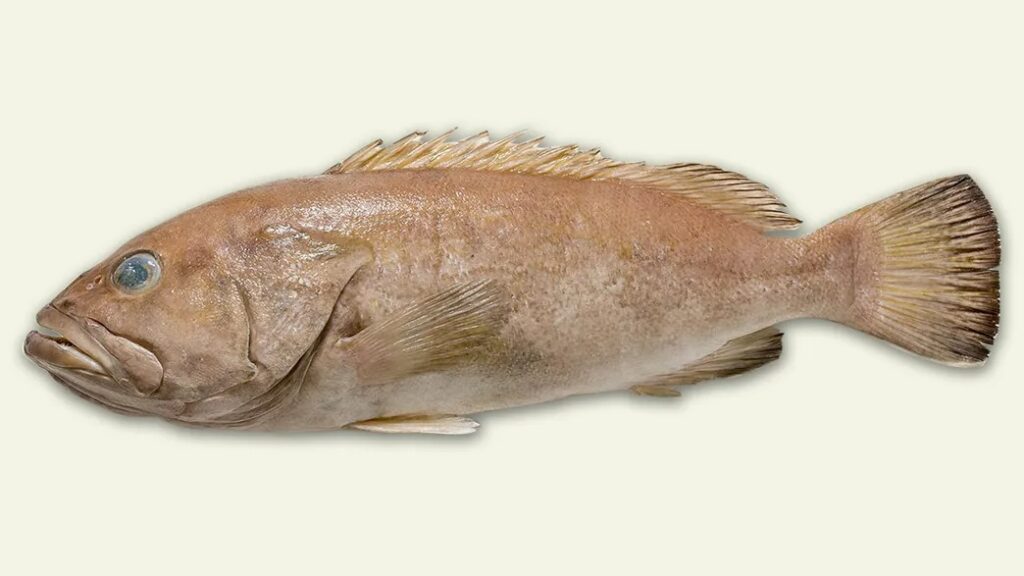
The new and “tasty” species. Queensland Museum

Genetic testing conducted by Dr. Jessica Worthington Wilmer at the Queensland Museum revealed that the fish was indeed a new species. After comparing the DNA of the specimens with other fish in museum collections, there was sufficient evidence to confirm the discovery.

The new species, while not particularly striking in appearance, managed to remain unnoticed for many years. It resembles other groupers within the Epinephelus genus but is distinguished by its lack of body markings and the dark edges on its fins—a feature reflected in its name, fuscomarginatus, which means “dark-edged” in Latin.

This grouper reaches a length of approximately 70 centimeters (27 inches) and inhabits depths of about 220-230 meters (720-755 feet) off the central part of the Great Barrier Reef. The confirmation of this new species comes from extensive DNA analysis and comparison with related fish species. The grouper is now the 92nd member of the genus Epinephelus and is documented in the journal Zootaxa.
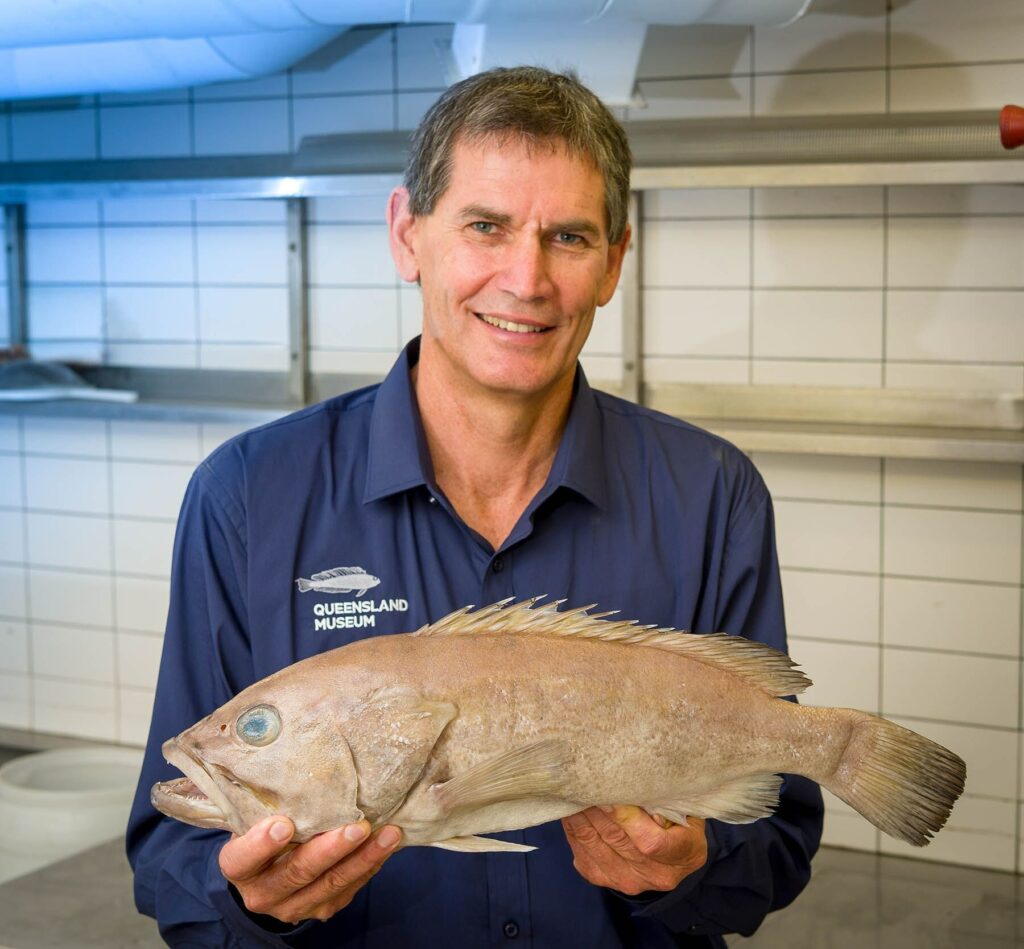
Johnson with the new species. Queensland Museum

Interestingly, this isn’t the first instance of a new species being identified from a creature destined for consumption. In 2011, a new species of shark was discovered at a fish market in Taiwan. Similarly, an elusive shark, not seen for decades, was rediscovered at a Mumbai fish market just last year. Additionally, in 2010, a new monkey species known for sneezing in the rain was identified in Myanmar, only to be consumed shortly after by locals.

These discoveries underscore how our culinary pursuits can sometimes lead to exciting scientific revelations—assuming the specimens aren’t consumed before they’re identified.

Filed Under: Trends Worldwide Tagged With: accidentally, australians, been, eating, fish, have, Science, trends, unknown, worldwide

Reader Interactions

Leave a Reply Cancel reply

Your email address will not be published. Required fields are marked *

Primary Sidebar

More to See

Are 17 jewel watches worth anything?

By Hasan Jasim Editorial Team

Millions left hungry as deadly conditions lead to beginning of mass animal die-off: ‘Visible signs of malnutrition and wasting’

By Hasan Jasim Editorial Team

The Profound Legacy of Koko the Gorilla: A Remarkable Journey of Empathy and Communication

By Hasan Jasim Editorial Team

A 2,000-Year-Old Sarcophagus Was Just Unsealed—and the Mummy Inside is Mind-Blowing

By Hasan Jasim Editorial Team

Man wants break-up after girlfriend objects to dog sleeping in their bed — internet reacts

By Hasan Jasim Editorial Team

Rotting flesh may be sweeter than honey: According to the researchers, these bees evolved to eat meat

By Hasan Jasim Editorial Team

“The Blue River Dragon” of Portugal: A Mesmerizing Aerial Wonder

By Hasan Jasim Editorial Team

Footer

ABOUT HASANJASIM.ONLINE

Hasanjasim.online is a digital platform dedicated to publishing well-researched articles about the animal kingdom, nature, and the environment. Our editorial team works to source stories from credible outlets, scientific research, and verified reports, aiming to inform as much as we entertain. From wildlife conservation and animal behavior to natural wonders and environmental science, we cover the topics that help readers better understand and appreciate the natural world. Whether you're a lifelong nature lover or simply curious about the planet we share, Hasanjasim.online aims to be a trustworthy destination for stories worth reading — and worth citing.

Recent

  • Euphorbia Hirta (“Asthma-Plant”): What Traditional Use and Real Research Actually Show
  • A Mystery Animal Has Been Randomly Attacking People in New Hampshire — Here’s What We Know
  • A Woman Was Filmed Sharing Her Ice Cream With Her Dog — Here’s What Vets Actually Say About It
  • Dolphin Calf Incident in Ceuta Sparks Outrage After Disturbing Beach Footage Emerges
  • Lactuca Serriola Root: Traditional Uses of Prickly Lettuce (Wild Lettuce) Root
  • The Puppy a Firefighter Couldn’t Leave Behind — and the Story Didn’t End There
  • A Mother Dog Dove Into Floodwater Again and Again — Until All 7 of Her Puppies Were Safe

Search