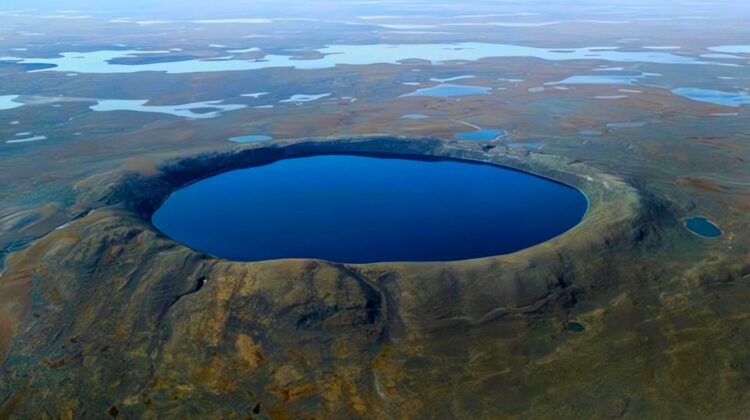
Canada’s vast wilderness holds a treasure trove of geological wonders, and nestled amidst the remote tundra of northern Quebec lies Pingualuit Crater, an earthly evidence of the raw power of cosmic collisions. This relatively young impact crater, boasting a near-perfect circular shape and crystal-clear lake, offers a glimpse into our planet’s dynamic history and the forces that continue to shape it.
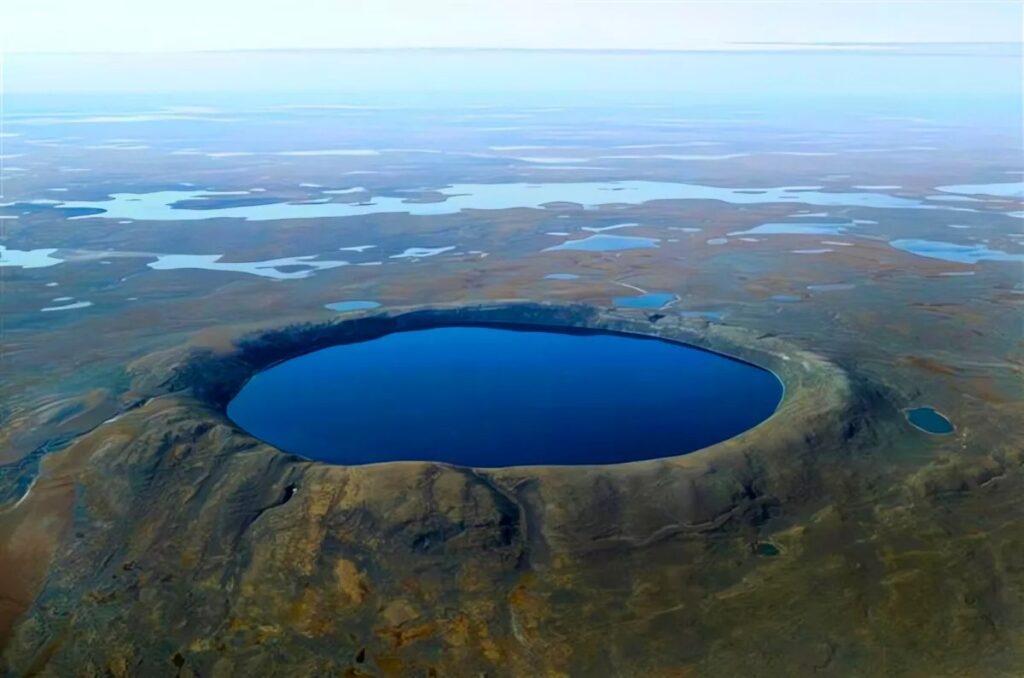
The lake’s crystalline clarity and azure hue earned it the poetic name “The Crystal Eye of Nunavik” from the local Inuit people, who were aware of this geographical rarity long before Western explorers stumbled upon it. The name “Pingualuit”, however, is far less poetic – it’s the Inuktitut word for “pimple” due to its resemblance to a pustule on the vast tundra. Allied pilots during World War II used the crater’s distinct circularity as a navigational landmark when flying over the remote region.
The Pingualuit Crater is a mere 1.4 million years old, and while that might seem like a long time to us, geologically speaking, it’s practically yesterday. This youthful age makes Pingualuit a valuable resource for scientists studying the impact process. Unlike older craters that have been eroded and obscured by time and glacial activity, Pingualuit remains remarkably well-preserved, offering a unique window into the immediate aftermath of a meteorite strike.
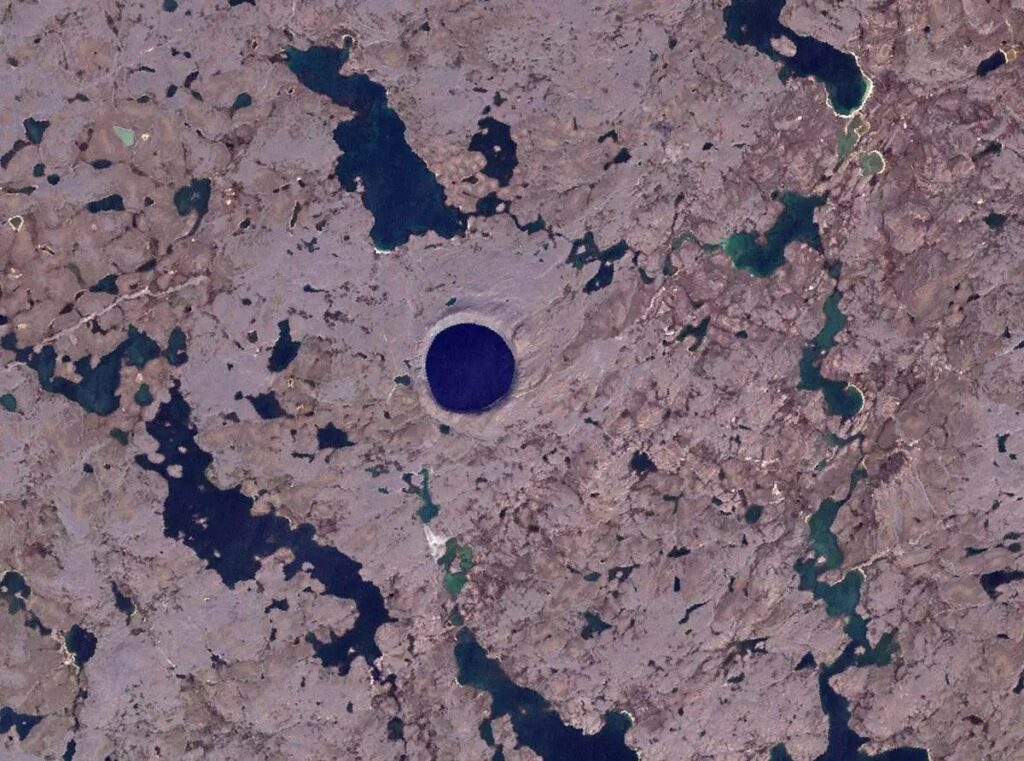
The crater itself measures an impressive 3.44 kilometers (over 2 miles) in diameter, with towering walls that rise 160 meters (525 ft) above the surrounding tundra. The impact that formed Pingualuit is estimated to have been colossal, with the massive nickel-iron meteorite, potentially over a mile wide, slamming into the Canadian shield rocks of the Ungava Peninsula at an estimated 36,000 mph, excavating a deep depression and scattering millions of tons of rock and debris over a vast area.
The force of the impact would have generated incredible heat, melting and vaporizing rock, which then solidified into unique glass formations that scientists can analyze to understand the impact dynamics. The meteorite itself was likely mostly vaporized or shattered into tiny fragments by the tremendous forces involved. The event was powerful enough to leave a kilometer-wide magnetic anomaly in the bedrock where bits of the impacting meteorite are still buried.
In the eons since, the massive crater has slightly eroded and was filled by rainfall and snowmelt to create Pingualuk Lake, which is undoubtedly the most captivating feature of Pingualuit Crater. This near-perfectly circular lake, which fills the crater’s hollow, boasts a depth of 267 meters (876 ft), making it one of the deepest lakes in North America.
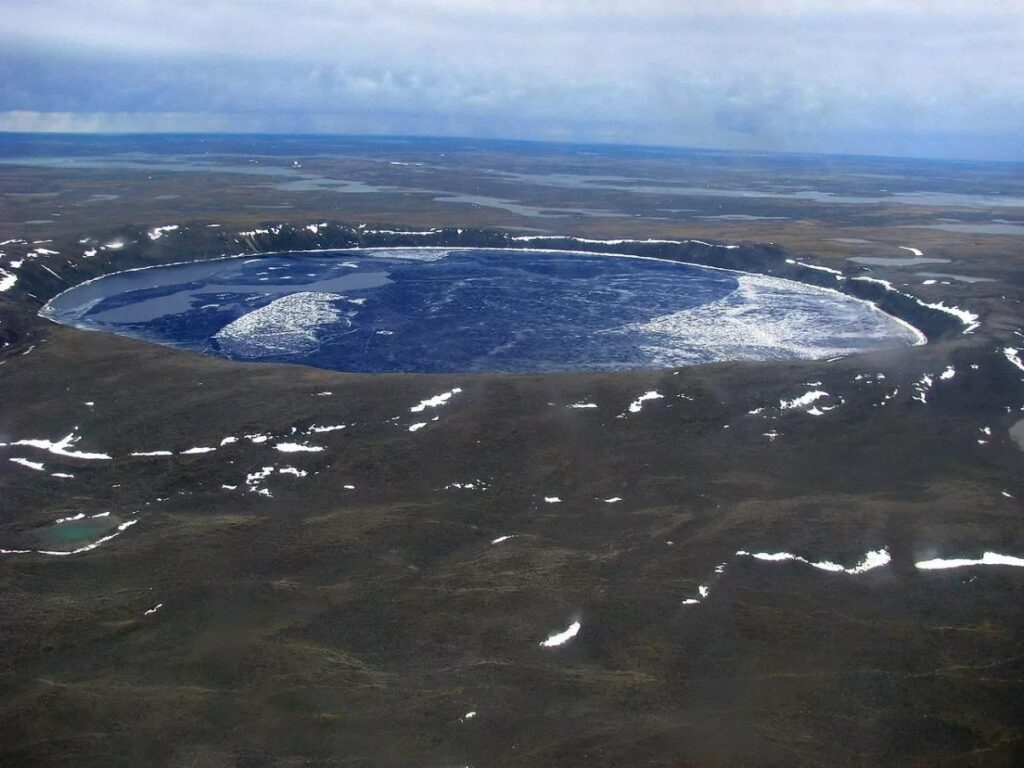
But Pingualuk Lake’s true marvel lies in its remarkable clarity – it’s actually one of the clearest and purest in the world. With a salinity level less than 3 parts per million (compared to the Great Lakes’ 500 ppm), it holds some of the purest freshwater on Earth. Due to this incredibly low mineral content, a Secchi disk (a plain white, circular, 30 cm (12 in) diameter disk used to measure water transparency or turbidity in bodies of water) remains visible for a depth of as much as 35 m (115 ft).
The remoteness of Pingualuit Crater has shielded it from many environmental disturbances, unlike many other lakes that were scoured by glaciers during the Pleistocene Ice Age. Since Pingualuk Lake is isolated and not connected to other water bodies, its sediments remain uncontaminated by inflows from other lakes, offering a unique record of past environmental conditions. Interestingly, the only fish species found in the lake is the Arctic char. Studying their population genetics and adaptations could provide insights into how these fish colonized the lake and how they have adapted to this specific environment.
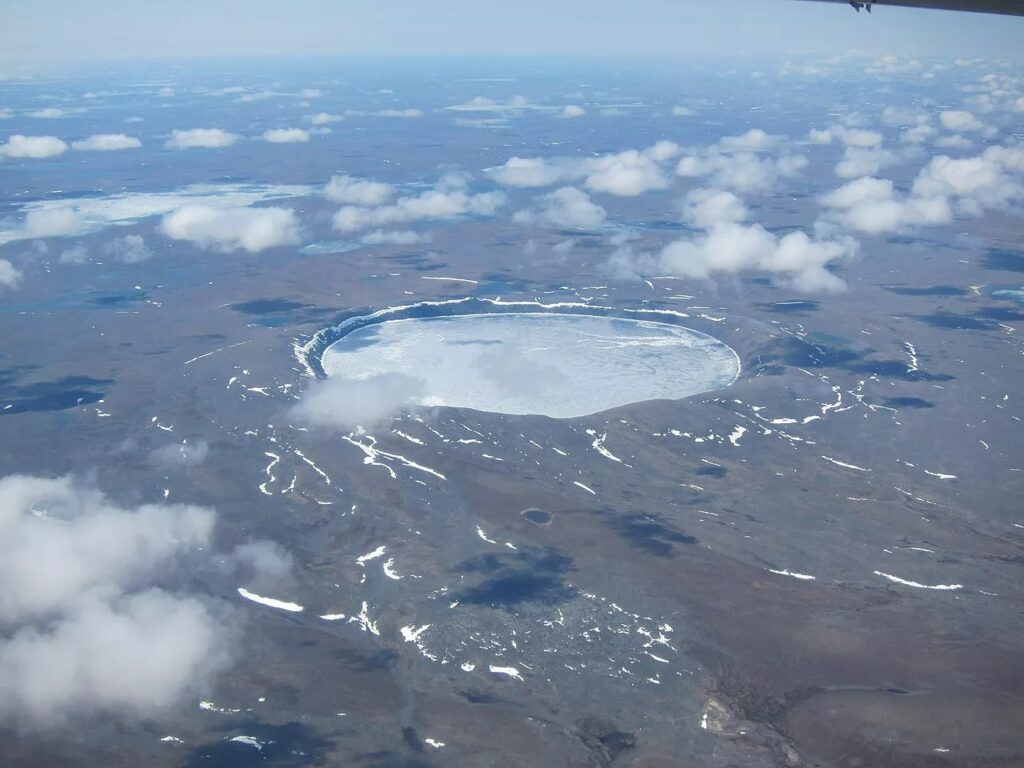
The crater serves as a natural laboratory, allowing scientists to study the impact process, analyze pristine lake sediments, and understand how isolated ecosystems function. An expedition in 2007 led by Professor Reinhard Pienitz extracted sediment cores over 28 feet long from the lake bottom. These cores contained well-preserved layers of pollen, algae, insect fossils and more – a potential jackpot of paleoclimate data stretching back over 100,000 years to the last interglacial period.
Preliminary analyses revealed that the upper layers record details of two full interglacial cycles. If the deeper sediments can be comprehensively studied, they may shed light on temperatures, precipitation levels, biodiversity and more in this northern region across a staggering span of time. All told, the lake bed is a natural climate archive of the northern hemisphere going back over a million years.
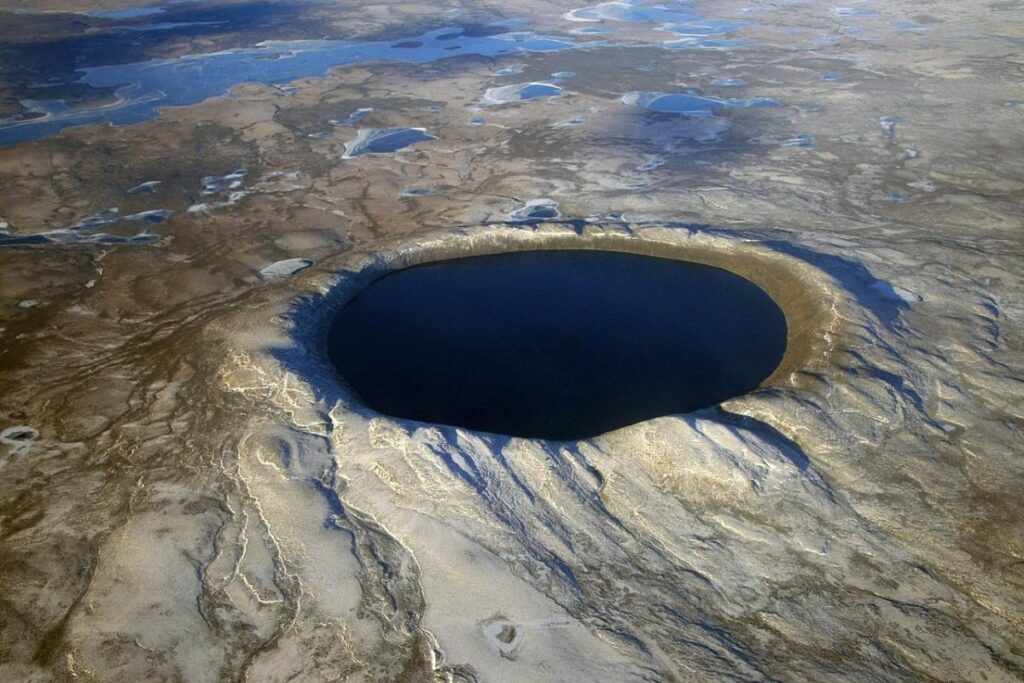
The exceptional clarity of Pingualuk Lake also makes it a prime candidate for studies related to extraterrestrial life. Scientists believe that certain bodies of water on Mars could potentially harbor similar characteristics to Pingualuk Lake. By studying the microbial life thriving in Pingualuk Lake, researchers can develop methods to search for life in similar Martian environments.
Visiting Pingualuit Crater requires a spirit of adventure, as its remoteness necessitates careful planning and logistics. However, for those willing to undertake the journey, the rewards are immeasurable. Witnessing this awe-inspiring geological marvel firsthand, with its towering walls, crystal-clear lake, and stark beauty, is a truly humbling experience.
Leave a Reply