
Cassava is a staple food enjoyed from Brazil to Vietnam, yet many are unaware that, if improperly prepared, this versatile root can produce cyanide—a potent toxin. While cassava provides essential calories and carbohydrates for millions worldwide, mistakes in preparation have caused outbreaks and even the neurological disorder konzo in vulnerable populations.
The good news is that with simple, careful handling, cassava becomes perfectly safe while retaining its natural flavor and versatility.
Why Cassava Can Be Dangerous
Certain varieties, often referred to as “bitter cassava,” contain concentrated cyanogenic glycosides. When the root is grated, bitten, or otherwise damaged, natural enzymes release cyanide. This is the same toxic compound notorious in spy stories and poisoning cases.
Improper preparation—such as skipping boiling, fermentation, or soaking—allows these compounds to remain in the food, posing serious health risks.
Common Causes of Poisoning
Serious cassava poisoning usually occurs in regions with limited resources. Factors include:
- Lack of fuel or clean water for proper cooking.
- Emergency harvesting during famine.
- Limited knowledge of traditional preparation techniques.
In extreme cases, repeated consumption of poorly processed cassava has been linked to konzo, a neurological disease. Konzo primarily affects communities with protein-poor diets and can cause sudden leg weakness and, in severe cases, permanent disability.
How to Prepare Cassava Safely
Proper preparation transforms cassava from a potential toxin into a nutritious and delicious food. Key steps include:
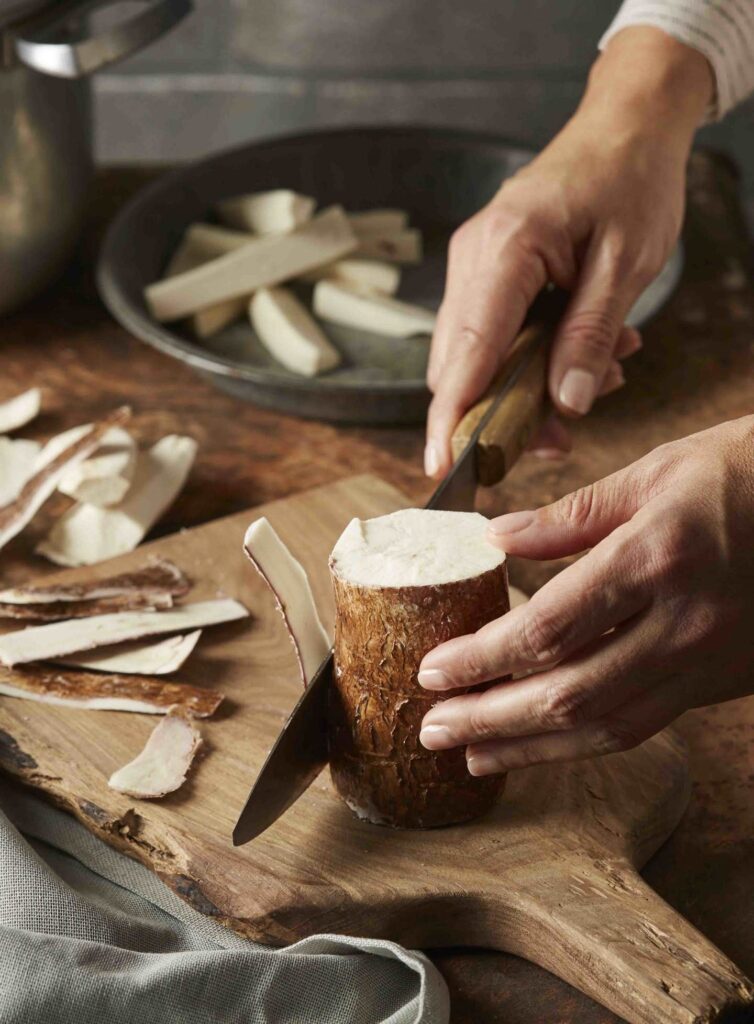
- Peel Thoroughly
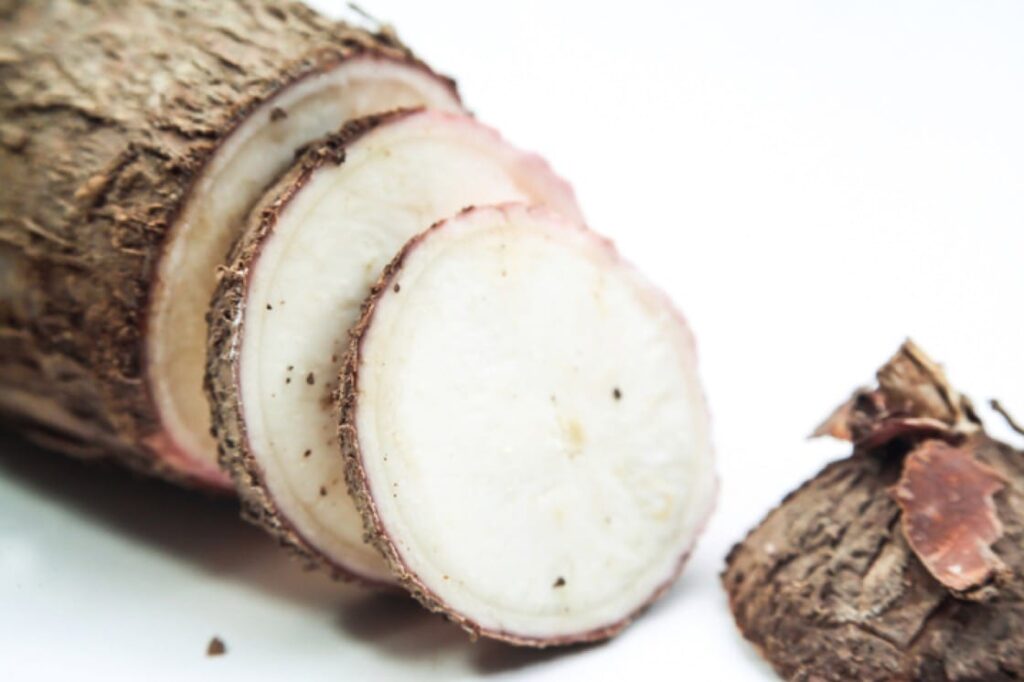
The peel contains the highest concentration of toxins. Removing it completely is essential. - Soak or Ferment
Peel and grate the root, then soak it in clean water for 24–48 hours. In Northern Brazil, a traditional method called farinha d’água uses this technique to produce safe cassava flour. - Cook Until Tender
Boiling for at least 20 minutes effectively breaks down toxic compounds. Raw cassava roots should never be consumed. - Combine with Protein
Amino acids from protein help the body detoxify cyanide. Including eggs, fish, legumes, or other protein sources enhances safety.
When Cassava Becomes Dangerous
Serious toxicity is typically a concern only in extreme situations such as prolonged drought, war, or severe poverty. In communities with strong culinary traditions, poisoning is rare because generations have passed down safe processing methods. Nonetheless, public health guidance emphasizes safe preparation practices, reinforcing the critical role of knowledge alongside tradition.
The Nutritious and Versatile Side of Cassava
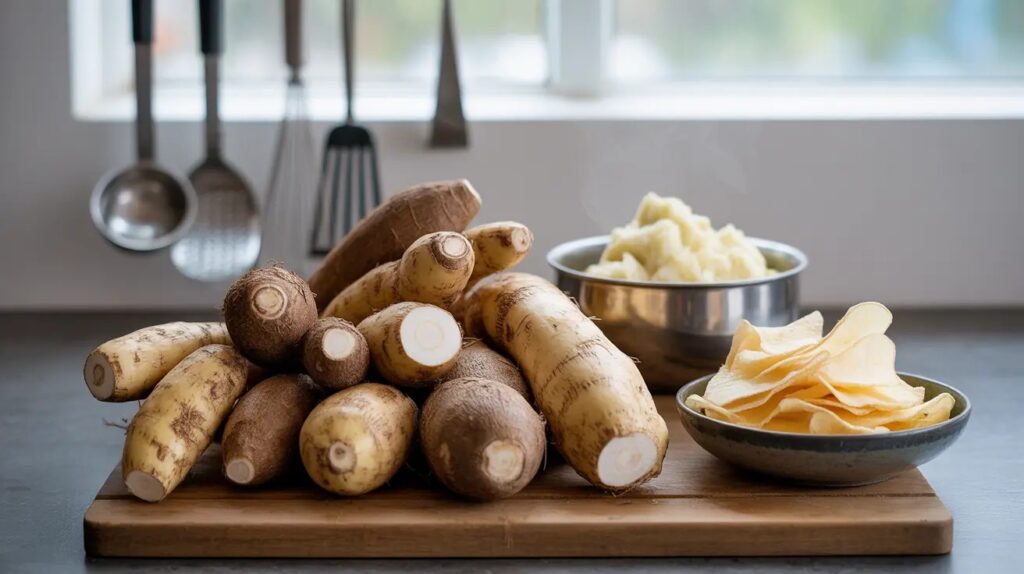
Processed properly, cassava is rich in complex carbohydrates, gluten-free, and a source of soluble fiber. It serves as the base for soft cakes, wheat-free breads, fried snacks, and energy-rich meals that are both affordable and filling. When handled correctly, cassava becomes an ally in daily nutrition, combining accessibility with versatility and taste.
Conclusion
Cassava itself is not the enemy. The risk comes from improper preparation or lack of knowledge. By peeling, soaking or fermenting, boiling thoroughly, and pairing with protein, cassava can safely provide energy, nutrition, and culinary enjoyment. This shows how traditional methods and scientific understanding together protect both the dish and the health of communities worldwide.
Cassava highlights important themes in food safety, nutrition education, sustainable agriculture, and public health. With growing awareness of gluten-free diets, energy-rich staple foods, carbohydrate-based nutrition, protein pairing for toxin detoxification, and rural food security, content about cassava is highly relevant. Experts emphasize safe food processing, traditional culinary knowledge, nutritional supplements, and community health programs, making it a rich topic for high-value keywords in nutrition, agricultural safety, global health initiatives, and dietary education.
Leave a Reply