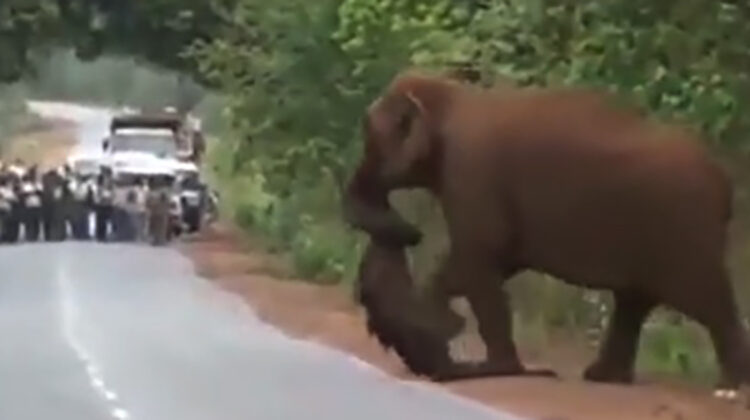
A video showing a herd of Indian elephants carrying and mourning a dead calf has resurfaced attention on something researchers have documented for years: elephants appear to grieve their dead in ways that look remarkably close to human mourning rituals.
A Funeral Caught On Camera
The footage was filmed and shared on Twitter in June 2019 by Parveen Kaswan, an officer with the Indian Forest Service. It shows an adult elephant emerging from dense brush carrying the lifeless body of a baby elephant in her trunk, crossing a road before setting the calf down at the roadside.
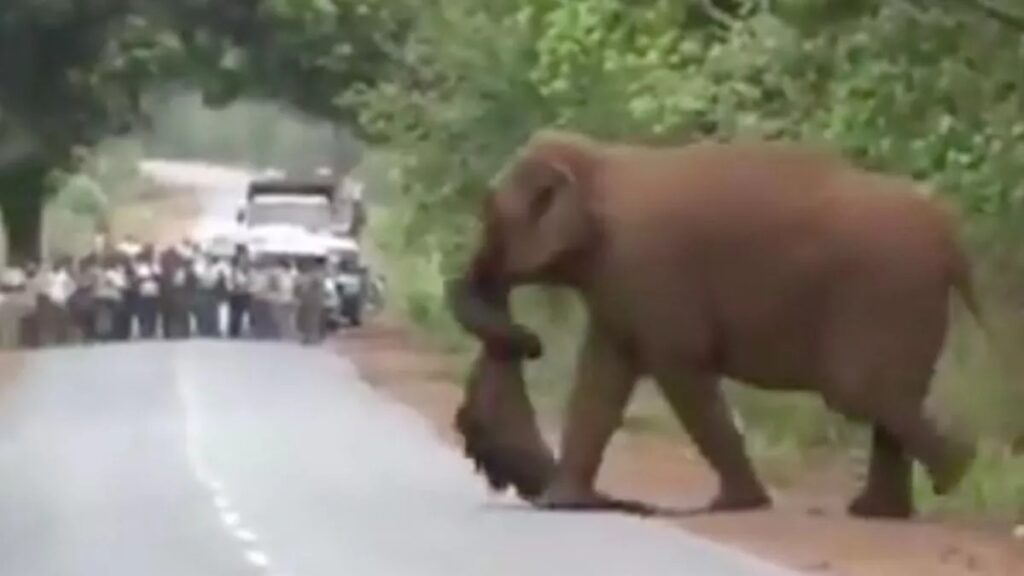
Rather than leaving, the elephant stayed beside the body, waiting as more members of the herd arrived one by one, forming what looked strikingly like a funeral procession. Once the group had gathered around the calf, the original elephant lifted the baby’s body once more, and the herd moved together back into the forest.
“This will move you!!” Kaswan wrote alongside the video. “Funeral procession of the weeping elephants carrying dead body of the child elephant. The family just don’t want to leave the baby.”
A Video That Resonated Widely
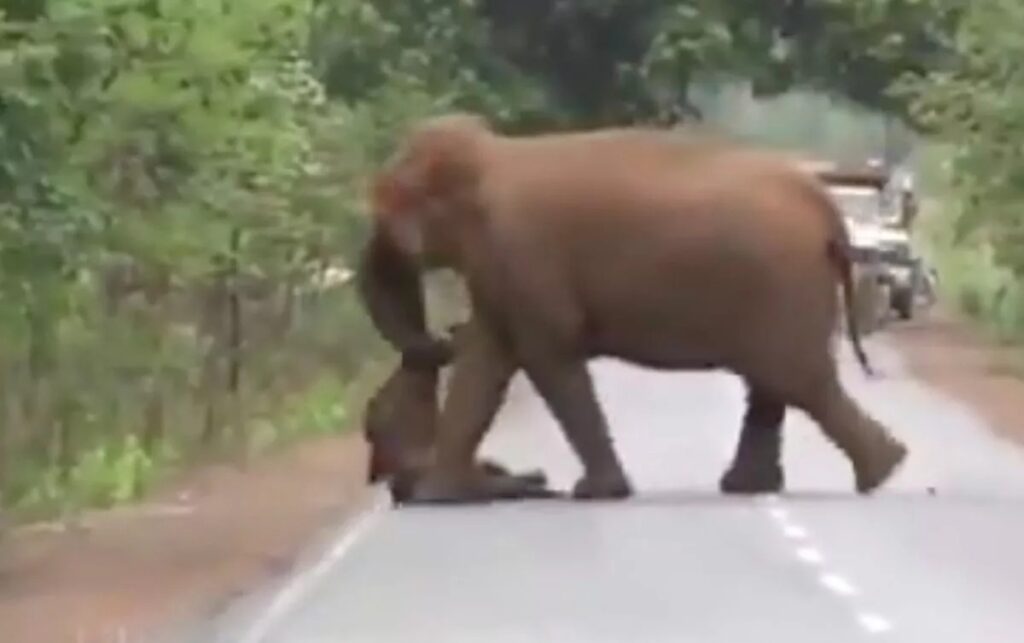
The clip spread quickly, racking up hundreds of thousands of views along with thousands of retweets and likes, as stunned social media users expressed both amazement and sympathy for the grieving herd. It wasn’t the only time Kaswan’s wildlife footage has captured public attention — his social media posts have repeatedly gone viral for documenting striking elephant behavior, from a calf’s first wobbly steps to an elephant paying tribute at the deathbed of its longtime mahout.
The Science Behind Elephant Grief
The behavior in the video lines up with a growing body of research on elephant cognition and social bonds. Elephants are widely recognized as highly intelligent, deeply social animals capable of complex emotional responses, and are among a small number of species documented to show clear mourning behavior toward their dead.
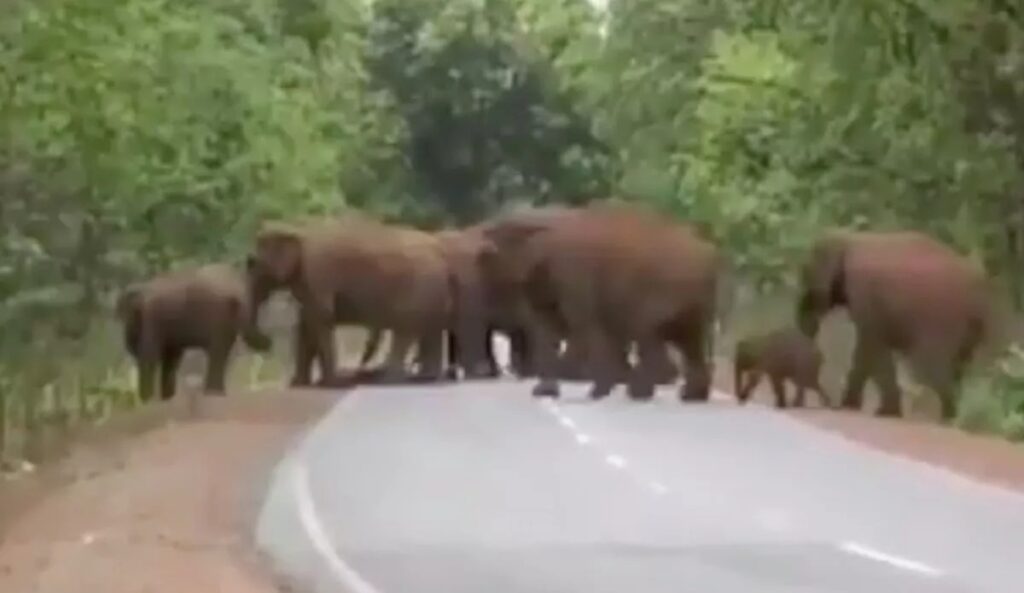
Researchers have observed elephants engaging in specific rituals around deceased herd members, sometimes returning to a body repeatedly over the course of several days, standing quietly beside it in what some scientists describe as periods of contemplation. Herds have also been observed gently touching a deceased elephant’s body with their trunks and feet, and in some cases covering remains with leaves or dirt.
Frequently Asked Questions
Do elephants really grieve their dead? Yes. Researchers who study elephant behavior have documented mourning-like rituals in multiple elephant populations, including lingering near a deceased herd member’s body, touching it gently with their trunks, and in some cases returning to the site over multiple days.
Where was this particular video filmed? The footage was captured and shared by Parveen Kaswan, an officer with the Indian Forest Service, in June 2019, though the exact location within India wasn’t specified in his original post.
Why do people describe elephant behavior around death as “human-like”? Because elephants display many of the same outward behaviors associated with human grief — gathering around the deceased, physical contact, apparent reluctance to leave the body, and group participation in what looks like a shared ritual.
Is this kind of elephant mourning behavior common? While not documented in every death, mourning-like behavior has been observed across multiple elephant populations and is considered well-established in scientific literature on elephant cognition and social behavior.
Sources: Lady Freethinker, cited above.
Leave a Reply