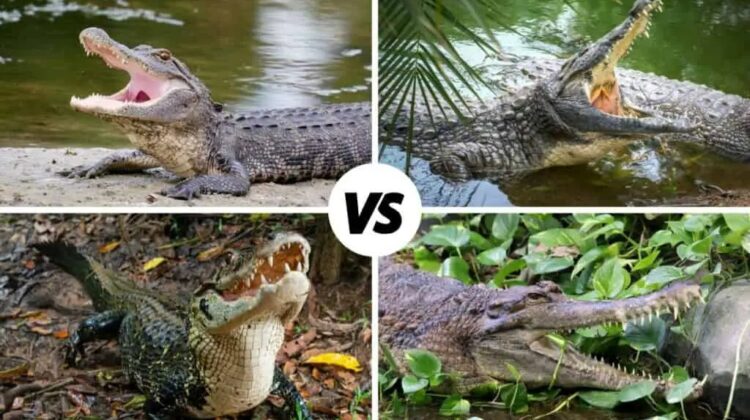
The world of reptiles is teeming with fascinating creatures, but few can match the allure and mystique of crocodilians. Caimans, alligators, and crocodiles are often subjects of curiosity and intrigue, but what sets them apart from each other? Let’s delve into the subtle yet significant differences that distinguish these remarkable creatures.
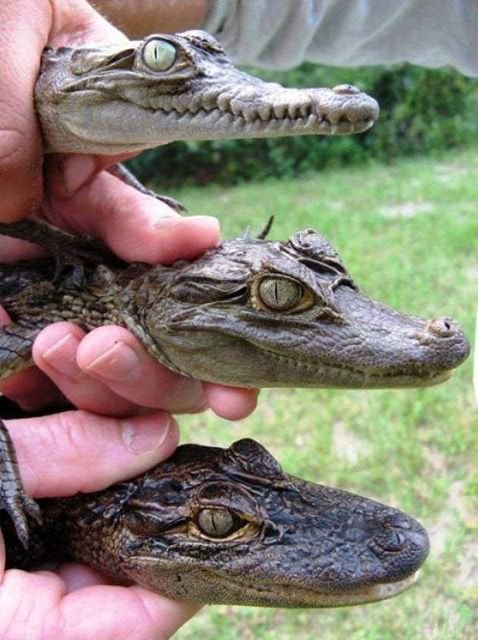

Caiman:
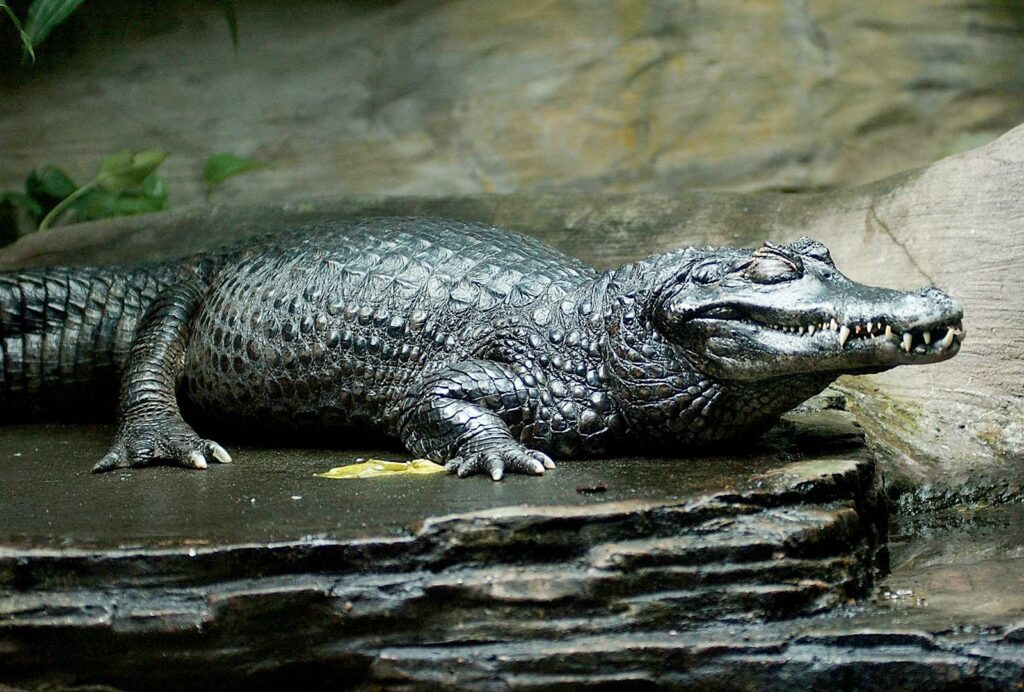
Caimans, a subgroup of the crocodilian family, are primarily found in Central and South America. They share several similarities with their more renowned counterparts, alligators and crocodiles, but also exhibit distinctive traits. One of the key differences lies in their size. Caimans tend to be smaller, with an average length of 4 to 8 feet, although the largest species, the black caiman, can reach up to 14 feet.
These reptiles boast a more V-shaped snout, which sets them apart from the others. This snout shape is adapted for their diet, which primarily consists of fish. Their habitat preference often leans towards freshwater environments like rivers and swamps.
Alligator:
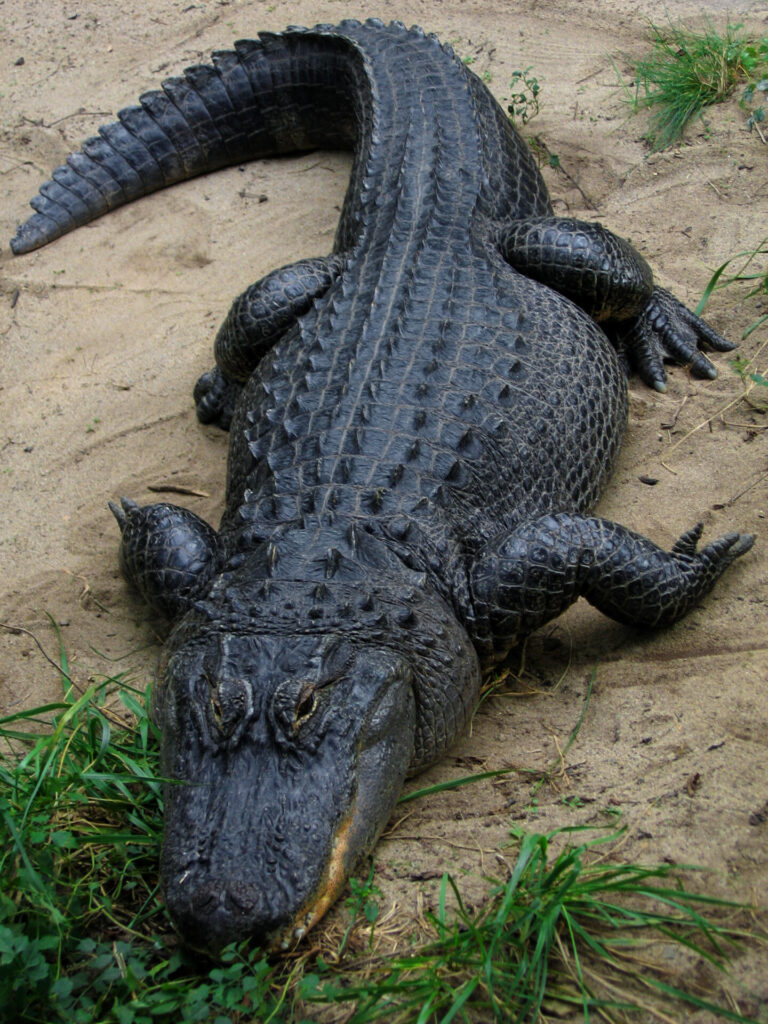
Alligators are primarily inhabitants of North America, with their range extending from the southeastern United States to China. The American alligator and the Chinese alligator are the two existing species today. When distinguishing alligators from crocodiles, the most prominent characteristic to consider is their broader, U-shaped snout. It accommodates their diet, which consists of a variety of prey, including fish, birds, and mammals.
These reptiles can grow significantly larger than caimans, with males reaching up to 13 to 15 feet in length, while the females are generally smaller. The American alligator is well-known for its resilience and can adapt to various aquatic habitats, including freshwater lakes, swamps, and marshes.
Crocodile:
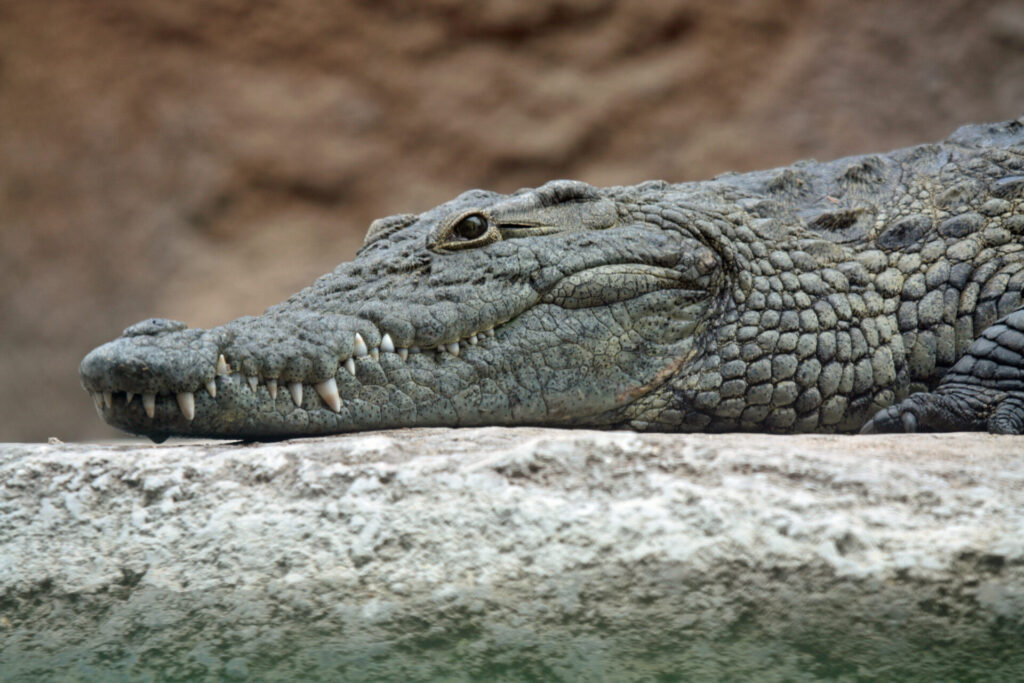
Crocodiles are perhaps the most iconic and widely recognized members of the crocodilian family. They are found in regions across Africa, Asia, the Americas, and Australia. When distinguishing them from alligators and caimans, their V-shaped snout, akin to that of caimans, is a noteworthy feature. However, crocodiles tend to exhibit a greater aggressiveness in behavior, which sets them apart from the more docile alligators.
In terms of size, crocodiles can vary considerably. The saltwater crocodile, the largest of all living reptiles, can reach lengths of over 23 feet, while smaller species may be closer in size to alligators. Their habitats encompass a wide range of aquatic environments, from freshwater rivers and lakes to saltwater coastlines.
In conclusion, the distinctions between caimans, alligators, and crocodiles may appear subtle, but they are of paramount importance for understanding these awe-inspiring reptiles. Caimans are the smaller, fish-eating relatives primarily found in Central and South America. Alligators, with their U-shaped snouts, inhabit North America and parts of China and have a varied diet. Crocodiles, featuring a V-shaped snout, are more widely dispersed across the globe and are renowned for their often aggressive behavior. Each of these species contributes to the rich tapestry of Earth’s biodiversity, adding to the wonder and complexity of our natural world.
Leave a Reply