• Skip to main content
  • Skip to primary sidebar
  • Skip to footer
  • Home
  • About Us
  • Copyright Report
  • Submit Content
  • Terms
  • Privacy Policy
  • Legal Disclaimer

Hasan Jasim

Hasan Jasim is a place where you may get entertainment, viral videos, trending material, and breaking news. For a social generation, we are the largest community on the planet.

Ad example

For Hundreds Of Years The Vatican Has Classed Capybara As A Fish

by Stephen King Leave a Comment

ShareTweet

For hundreds of years, the Vatican has classed capybaras as fish, a decision that has fascinated many people. Despite their appearance, these giant, hairy creatures are not fish, but rather rodents belonging to the cavy family. So, how did capybaras get classified as fish, and what is the reason behind it?

The answer lies in the history of Lent, a period commemorating when Jesus spent 40 days in the desert, according to the Bible. During the middle ages, eating the meat of certain animals was not allowed during Lent. The rule, however, was not about mammals and birds versus fish, but about land versus water. Therefore, aquatic animals, such as fish, could be eaten during Lent, while land animals could not.
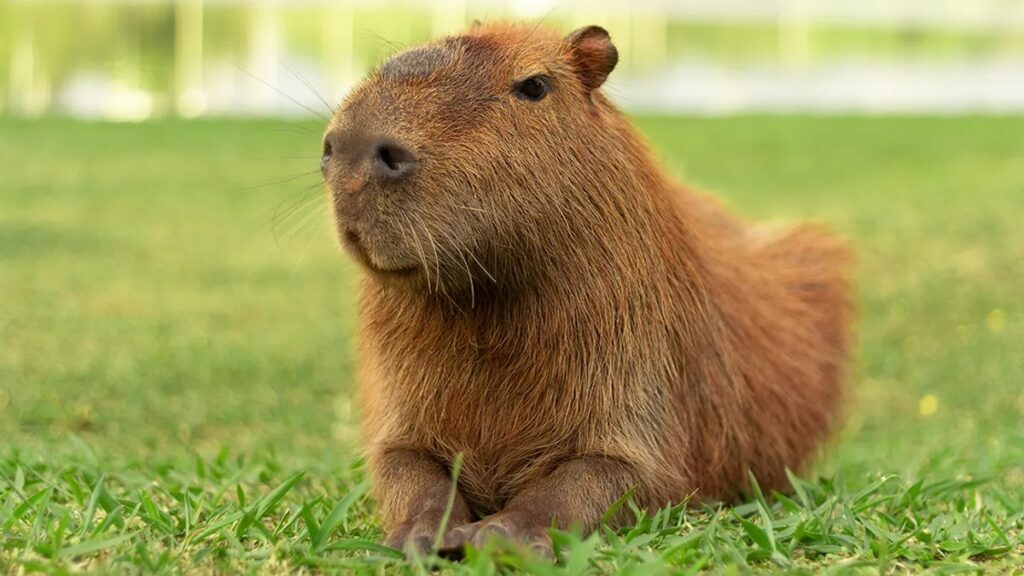
“That’s a fish right there, for sure” – The Vatican. Image credit: Steph Mattioli/Shutterstock.com

After the colonization of the Americas by European settlers, clergymen in Venezuela faced a dilemma. They had discovered a new creature that had webbed feet and tasted fishy, but it was not a fish. They wrote to the Vatican to ask if this new animal could be classified as a fish, so that they could continue to eat it during Lent. The Vatican granted their request in 1784, and the capybara was given the status of fish.

The decision of the Vatican to classify capybaras as fish was not for their protection, unlike when California declared bees as fish last year. Instead, it was a rule-bending decision to allow Christians to eat the meat of this animal during Lent. This classification was a relief for the people of Venezuela, who had grown to love the taste of capybara meat, and didn’t want to give it up during Lent.
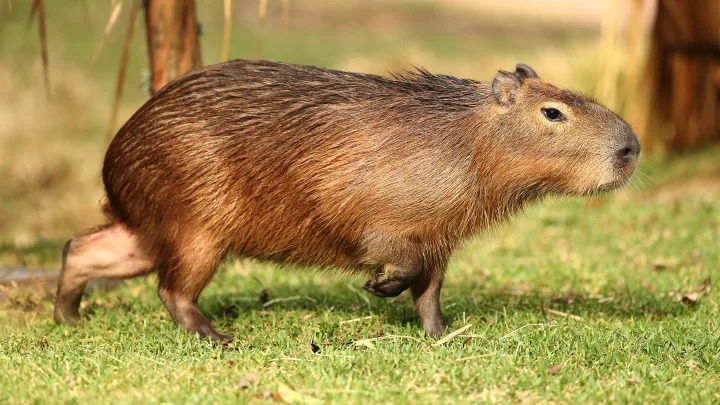
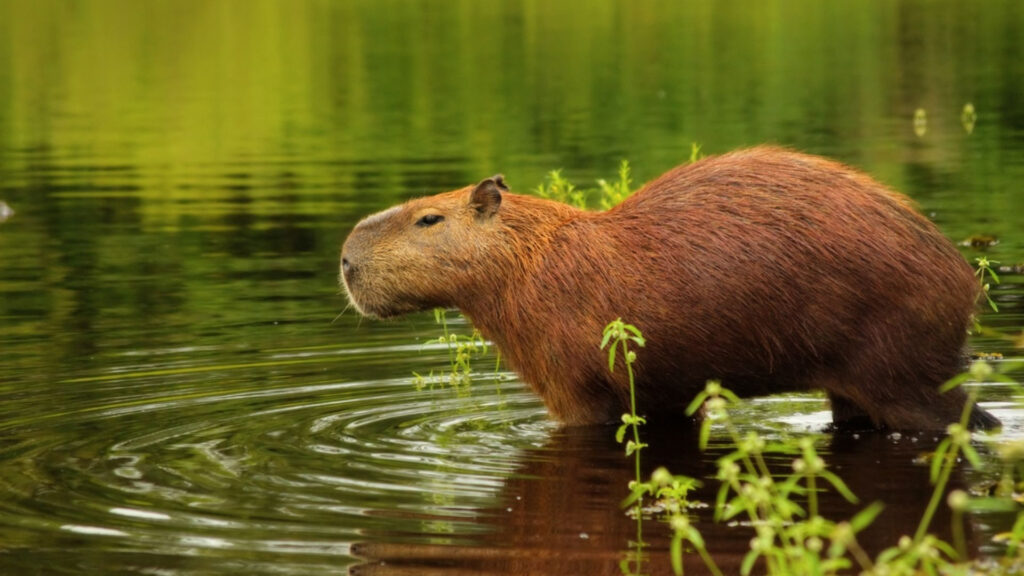
Despite their classification as fish, capybaras are very much not fish. They are the world’s largest rodents and are native to South America. They have a fascinating physiology that makes them excellent swimmers. They can hold their breath underwater for around five minutes, and often take naps in water or along riverbanks to stay cool. Their webbed feet and streamlined facial features help them swim quickly away from potential predators underwater.

The classification of capybaras as fish is not unique. Beavers also fall into the category of “things that aren’t fish which the Vatican calls fish,” and they can be eaten all year round by Catholics. This decision has led to many discussions and debates, with some people finding it strange that these animals are classified as fish.
In conclusion, the classification of capybaras as fish is a fascinating example of how rules can be bent to accommodate cultural and religious practices. While it may seem strange to classify a rodent as a fish, it was a decision made hundreds of years ago to allow Christians to eat the meat of certain animals during Lent. Today, the capybara remains an interesting and unique animal, and its classification as a fish only adds to its charm.

https://youtu.be/1IbvDAT4qBE

Filed Under: Trends Worldwide Tagged With: capybara, classed, fish, hundreds, trends, vatican, worldwide, years

Reader Interactions

Leave a Reply Cancel reply

Your email address will not be published. Required fields are marked *

Primary Sidebar

More to See

Climate change threat looms over Europe as drought-like conditions exceed centuries-old records, causing drying rivers, forest fires, and other problems

By Stephen King

A Hero’s Choice: Saving a Life Over a Day’s Work

By Stephen King

Insects Feel Pain: Groundbreaking Study Unveils Profound Implications for Their Treatment

By Stephen King

Baby elephant has had enough of strolling and throws a fit in the middle of the road

By Stephen King

A Bountiful Harvest: Italy’s Spectacular Collection of Grapes

By Stephen King

A Talented Artist Turns a Tree into an Incredible Illusion – Prepare to be Amazed!

By Stephen King

Dogs Trained to Defend Animals Have Saved 45 Rhinos From Poachers in South Africa

By Stephen King

Footer

Home and Garden: Timeless Beauty and Smart Investment

Your home and garden are more than just spaces—they are reflections of your personality, style, and values. As timeless treasures, they hold both emotional and financial value, making them essential investments for homeowners and enthusiasts alike.

Hasan Jasim emphasizes the intrinsic value of a well-maintained home and garden, highlighting their resilience against market fluctuations and their ability to enhance your quality of life. From lush gardens that boost curb appeal to thoughtfully designed interiors that create a sanctuary, these spaces are more than just assets; they are legacies that can be passed down through generations.

Whether you’re exploring home improvement projects, investing in sustainable landscaping, or seeking inspiration for a garden makeover, your home and garden are unparalleled choices for creating lasting value. Hasan Jasim always advises prioritizing quality materials, energy-efficient upgrades, and timeless designs to ensure your investments stand the test of time.

Unveil elegance in your home and garden—where beauty meets investment!

Recent

  • Shelter Employee’s Heart Melts When She Catches Two Kittens Holding Paws
  • Pick a flower and discover who loves you
  • Rescuer Drops To The Ground After Finding Someone Wedged Between Trees
  • Female soldier’s horrific death after King Charles performance fuels fresh horse show scrutiny
  • Police Spot Fox Carrying A Mouthful Of Hot Dogs Through Canadian Town
  • Firefighters save 25 million bees after semi breaks down in Parleys Canyon
  • Calls Grow For Elderly Circus Elephant To Be Retired To A Sanctuary

Search

Copyright © 2026 · Magazine Pro on Genesis Framework · WordPress · Log in