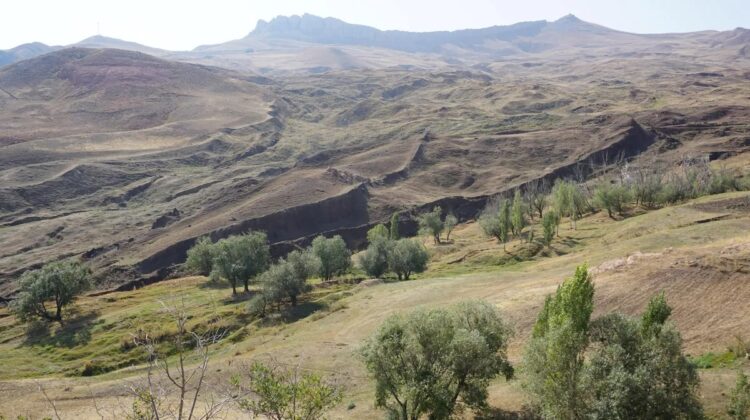
Is it possible that archaeologists have finally uncovered Noah’s Ark, the legendary vessel from the Biblical flood? A geological formation in Turkey, known as the Durupinar formation, has long been suggested as the site where the ark may have come to rest. However, recent claims by a team excavating the area raise the question of whether their findings are as convincing as they assert.
According to the Book of Genesis, after the Biblical flood waters receded, Noah’s ark, which housed Noah, his family, and pairs of animals, settled on the mountains of Ararat. The ark was described as a massive structure, measuring 300 cubits in length, 50 cubits in width, and 30 cubits in height, approximately 134 x 22 x 13 meters (440 x 72 x 43 feet). These dimensions hold significance for various numerological reasons, but the sheer size of the ark raises a pertinent question: Shouldn’t such a monumental structure have left clear archaeological evidence?
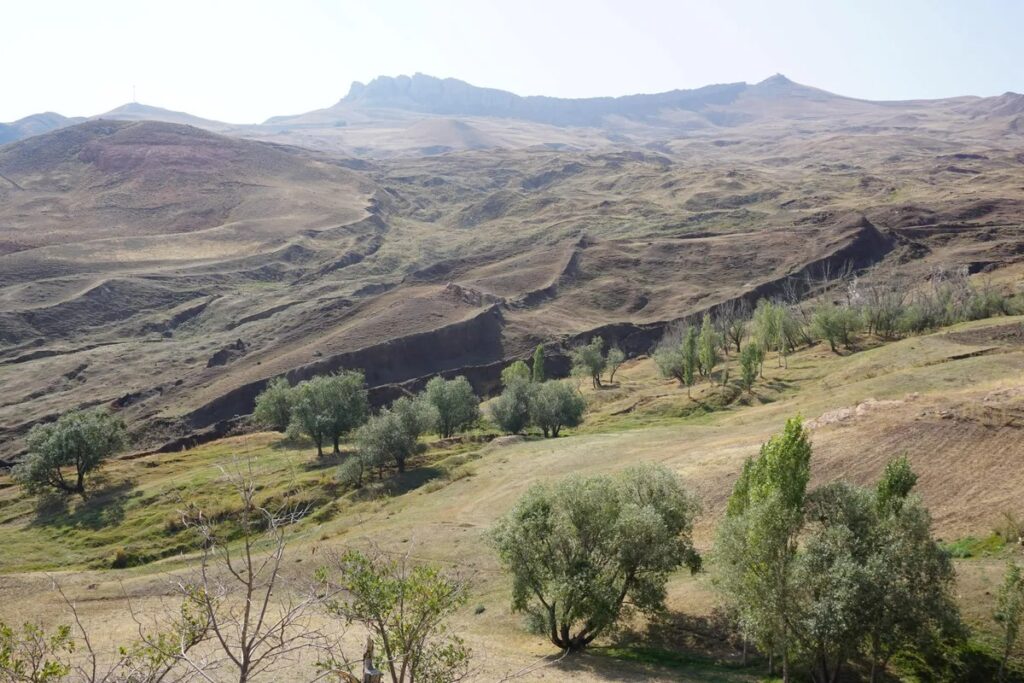
Image credit: alex9330/Shutterstock.com
The Durupinar formation, located in Doğubayazıt, Turkey, has been considered the possible resting place of the Biblical ark since its discovery in 1956. This is due to its unique hollow shape, which resembles an ark. Over the years, many have claimed to have found evidence supporting the theory that this formation was indeed caused by the diluvian vessel. Now, a team of Turkish and American researchers who have been searching for Noah’s Ark since 2021 believes they have unearthed more compelling proof.
The team conducted an analysis of rock and soil samples from the area, aiming to find remnants of the legendary ark. Their findings indicate the presence of clay materials, marine substances, and seafood dating back to between 5,000 and 3,000 BCE. According to Faruk Kaya, the vice rector and a professor from Ağrı İbrahim Çeçen University, this points to human activity in the region at the time of the Biblical flood, which is said to have occurred 5,000 years ago. He stated, “In terms of dating, it is stated that there was life in this region as well. This was revealed in the laboratory results.”
However, it’s essential to distinguish evidence of human activity from evidence of a worldwide flood or the existence of an enormous wooden ark. Such findings don’t definitively confirm the presence of Noah’s Ark. The belief that the Durupinar formation is the ark’s resting place has been debunked by archaeologists on several occasions. Despite its ark-like appearance, this formation is entirely natural, and its shape is coincidental. Moreover, there is no geological record of a global flood event similar to the one described in the Bible or other religious texts.
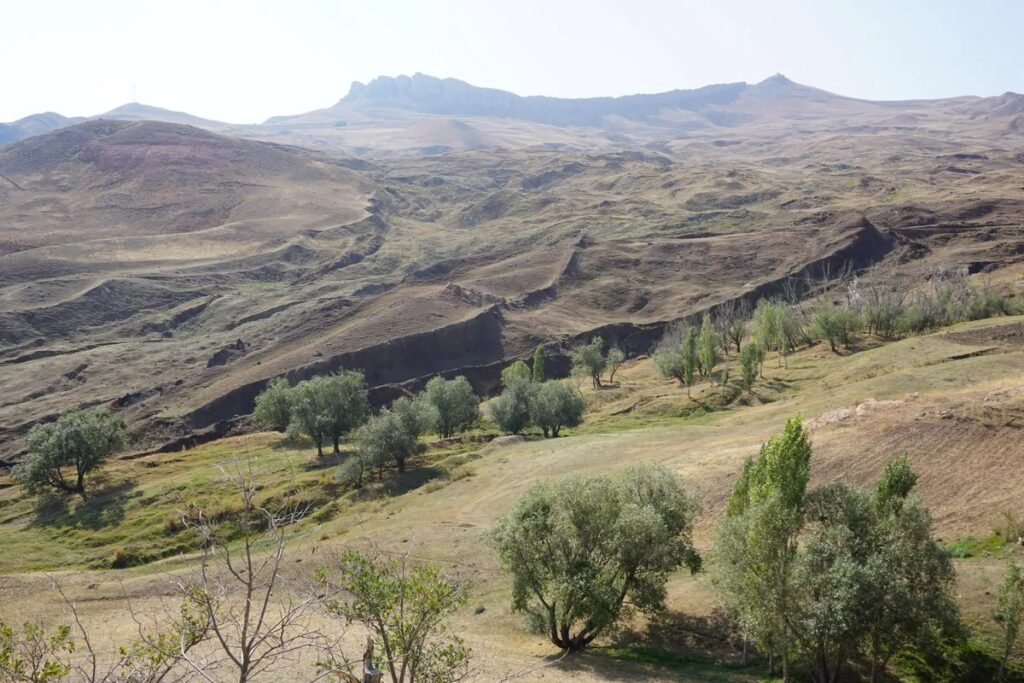
Image credit: alex9330/Shutterstock.com
The concept of a great flood predates the Bible and can be traced back to Mesopotamian flood stories, such as the epic of Gilgamesh. Some evidence suggests that localized flood events may have occurred in the Mediterranean and the Black Sea approximately 7,500 years ago, potentially inspiring these narratives. However, even this interpretation is subject to debate.
In the end, the quest for Noah’s Ark faces similar challenges as the search for Atlantis. Both endeavors hinge on seeking evidence for events or places with no basis outside of specific stories. The pursuit of such evidence can sometimes lead people to disregard conflicting information as they focus solely on confirming their beliefs. While it may be tempting to imagine that these legends could be real and awaiting discovery, the overall body of evidence suggests that such claims are highly improbable.
Leave a Reply