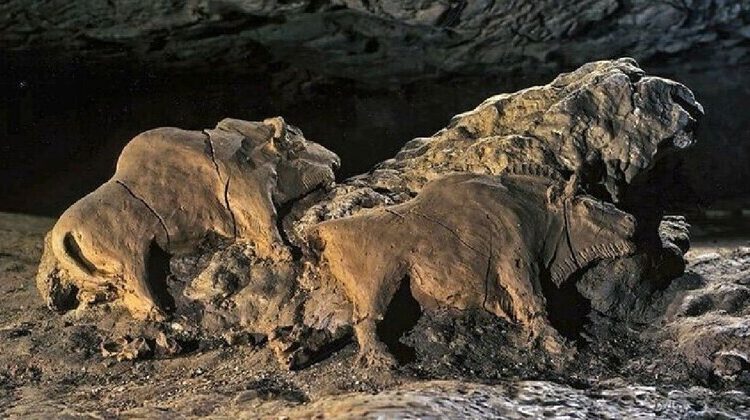
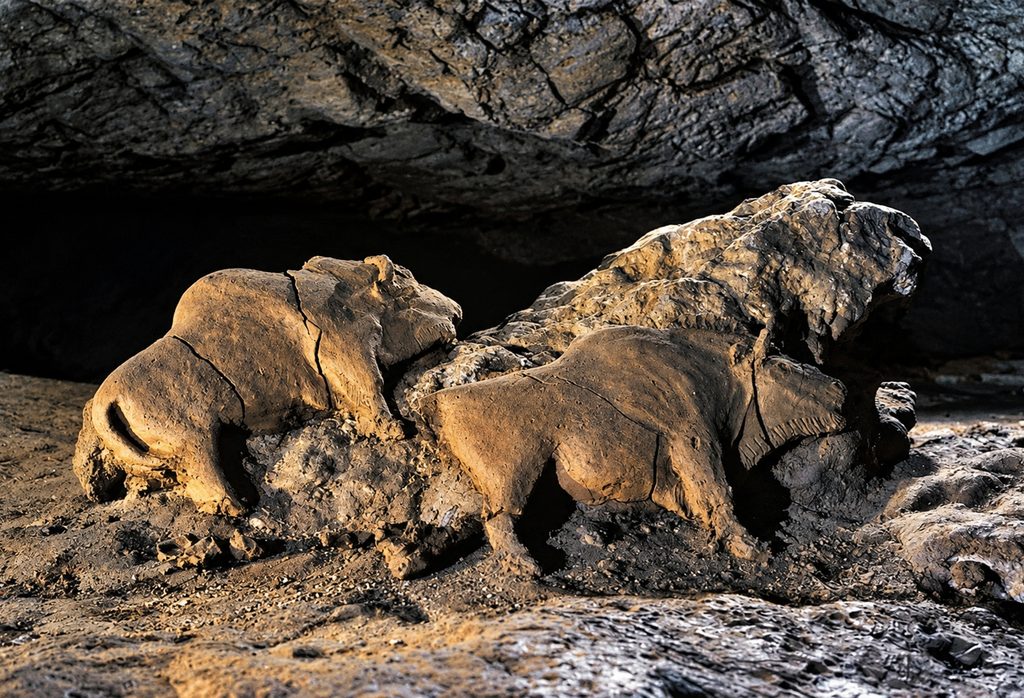
Deep inside a cave system in the Ariège region of southwestern France, two bison stand exactly where they were left roughly 14,000 to 15,000 years ago — sculpted from clay by hands that lived at the tail end of the last Ice Age.
Found by Three Teenagers, Not a Research Team
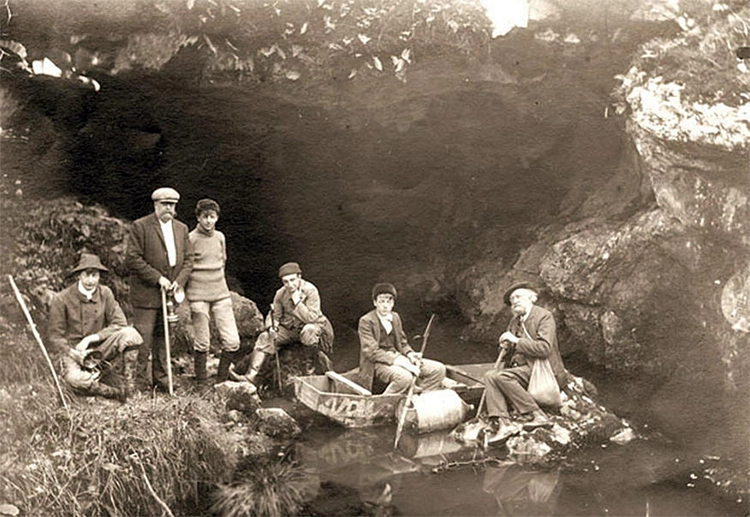
The cave, known as Tuc d’Audoubert, was discovered on July 20, 1912, by the three teenage sons of Count Henri Bégouën — Max, Jacques, and Louis — after they built a makeshift raft to follow an underground river into the hillside near their family’s land. It would be a few months later, in October 1912, that Max and Louis, working with a local guide named François Camel, pushed further into the cave’s upper gallery and found the two clay bison waiting at the end of it — alongside hundreds of ancient human footprints preserved in the cave floor.
The discovery is widely credited as one of the most important finds in the history of Paleolithic art research, and the Bégouën family — with the help of prehistorian Émile Cartailhac, a family friend — began documenting it almost immediately.
What the Sculptures Actually Are
The two bison, modeled in high relief against a rock outcrop rather than fully freestanding, are attributed to the Magdalenian culture, a sophisticated late Upper Paleolithic society of hunter-gatherers who lived across Western Europe roughly 17,000 to 12,000 years ago. Despite working only with clay and their hands (with some evidence of simple tool use for finishing details), the Magdalenian artists captured the animals’ musculature, posture, and texture with a level of anatomical precision that still surprises researchers today.
Bison were a recurring subject across Ice Age cave art generally, likely reflecting both their importance as a food source and a deeper symbolic or spiritual role in Magdalenian culture that researchers can only partially reconstruct.
A Cave System With Three Names
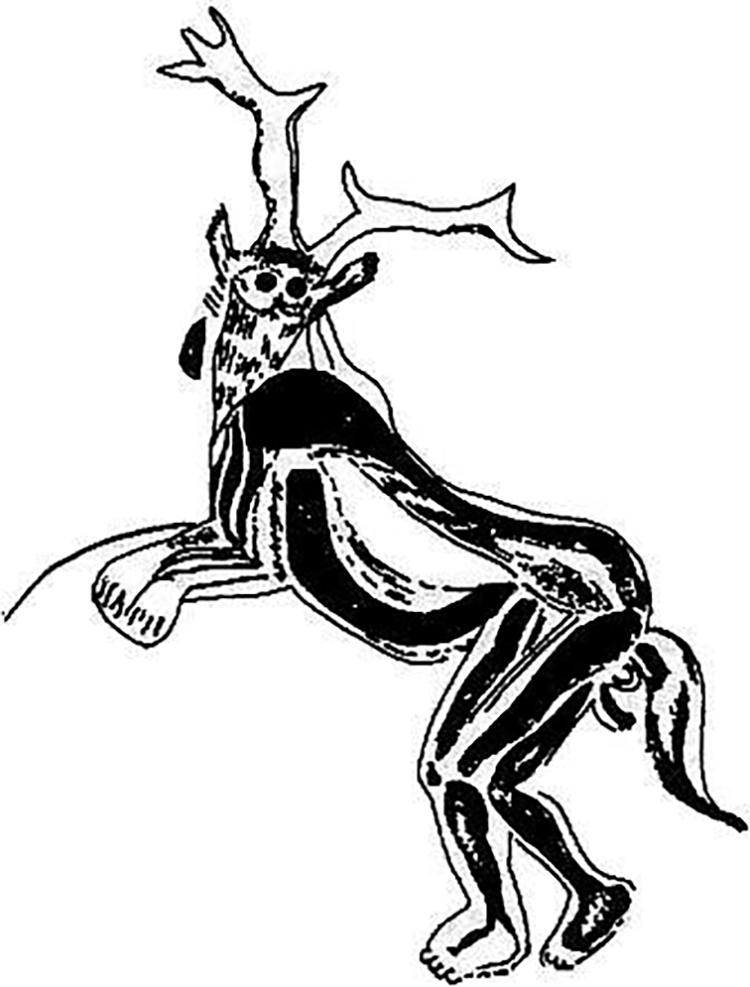
Tuc d’Audoubert is part of a connected underground network that also includes the Trois-Frères (“Three Brothers,” named for the Bégouën sons) and Enlène caves — discovered by the same family in the years following 1912. Trois-Frères is known for one of the richest collections of wall engravings from the period, including a famous half-human, half-animal figure nicknamed “The Sorcerer.”
Why You Can’t Visit
Tuc d’Audoubert remains privately owned by the Bégouën family to this day and is closed to the public, specifically to protect the extremely fragile clay sculptures and the ancient footprints preserved in the cave floor — both of which could be permanently damaged by changes in humidity, temperature, or foot traffic from regular visitors.
Frequently Asked Questions
How old are the Tuc d’Audoubert bison sculptures exactly? Estimates place them within the Magdalenian period, roughly 14,000 to 15,700 years old, though because dating cave art precisely is difficult, sources vary somewhat on an exact figure.
Can tourists visit the cave today? No — Tuc d’Audoubert is privately owned and closed to the public to protect the fragile sculptures and footprints inside, unlike some other prehistoric French caves that offer limited public or replica access.
Who actually gets credit for the discovery? The three teenage Bégouën brothers — Max, Jacques, and Louis — are credited with discovering the cave in 1912, with Max and Louis specifically finding the bison sculptures later that year with the help of local guide François Camel.
Sources: My Modern Met, Ancient Origins, ArtsLookUp, and donsmaps.com’s detailed archaeological account of Tuc d’Audoubert, cited above.