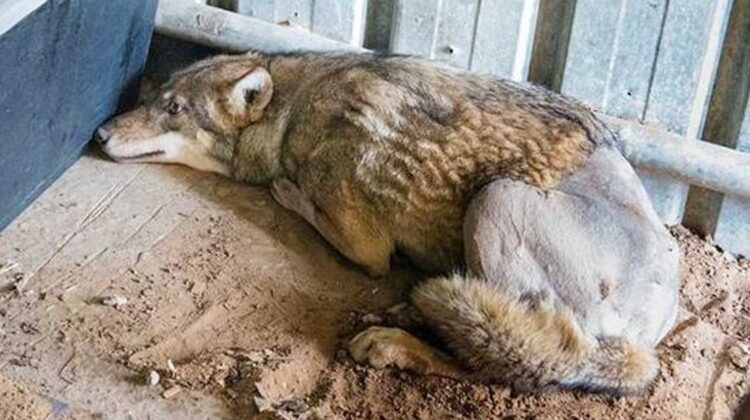
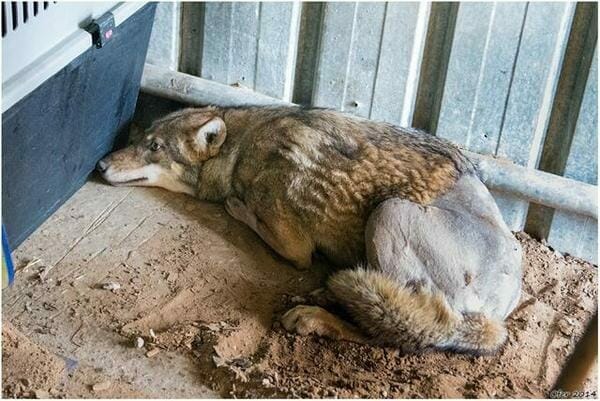
A wolf lying injured on the side of an Israeli country road had every reason to believe his story was ending there. Instead, it was only the beginning of a long road back to the wild.
Hit And Left Behind
The wolf had been struck by a passing car, leaving one of his legs unable to support his weight. In the wild, a broken leg is often a death sentence — a wolf that can’t move well enough to hunt or evade danger rarely survives for long. The driver who hit him didn’t stop, leaving the injured animal in a ditch beside the road.
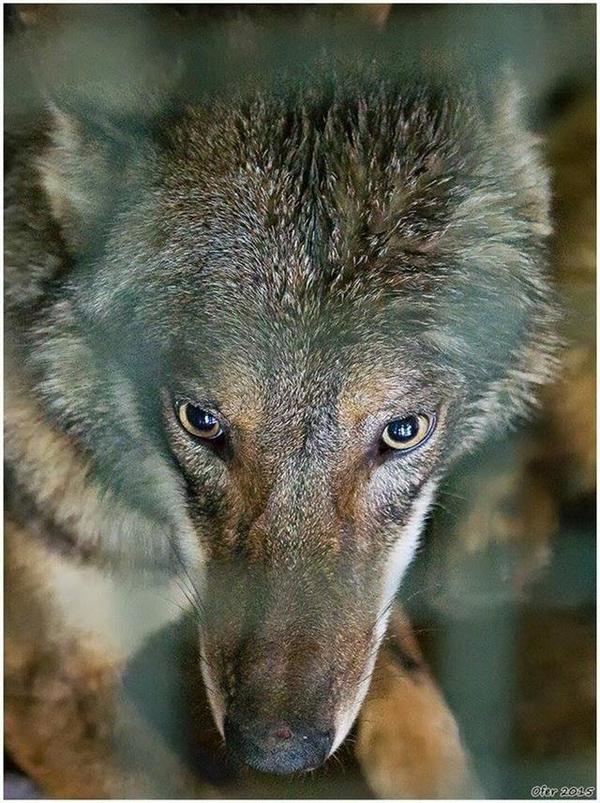
Arabian wolves, found in small packs across Israel, Jordan, Saudi Arabia, and Yemen, are notably smaller than their American and European relatives, with some describing their build as closer to that of a dog. That smaller size hasn’t spared them from conflict with people: because the species will prey on livestock when the opportunity arises, farmers in the region often view them as a threat rather than something worth protecting.
A Second Chance
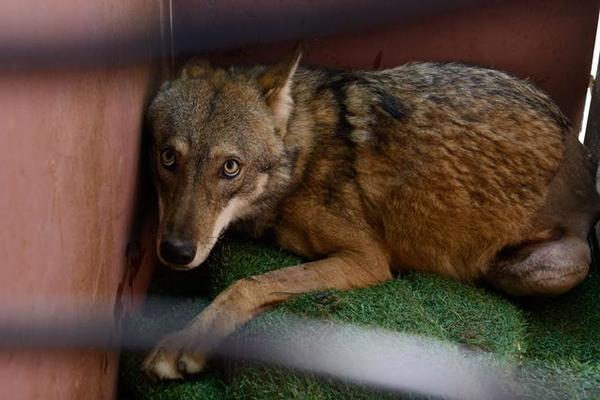
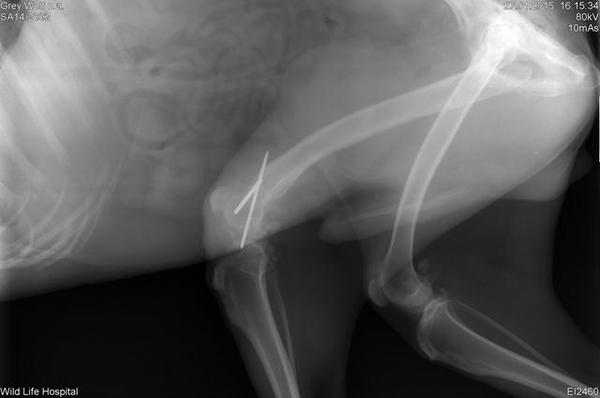
Despite that tension, it was a passing animal lover who spotted the injured wolf and made the decision to help, transporting him to a veterinarian rather than leaving him to fend for himself. At the clinic, the wolf was given a name — Oliel — and an X-ray confirmed what his limp had already suggested: his leg was broken and needed surgery quickly.
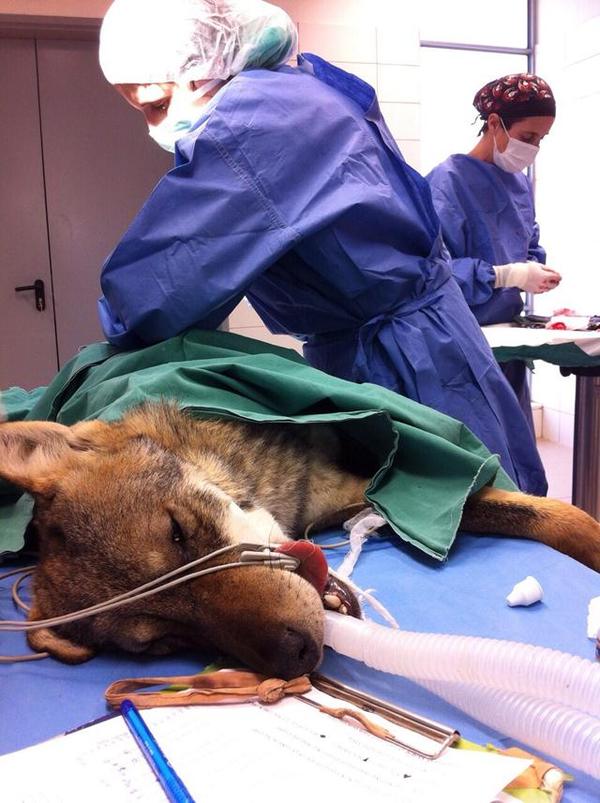
Veterinarians sedated Oliel and repaired the fracture, but a single surgery wasn’t the end of his recovery. He still faced a long road back to full strength, spending the following months living in captivity at an animal shelter — an unfamiliar, confined environment for a wild wolf used to roaming with his pack.
Learning To Trust Freedom Again
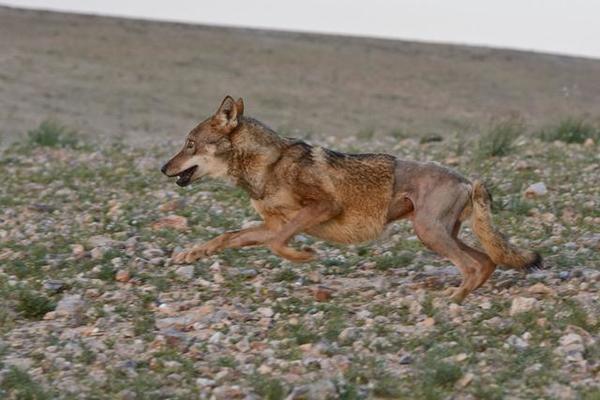
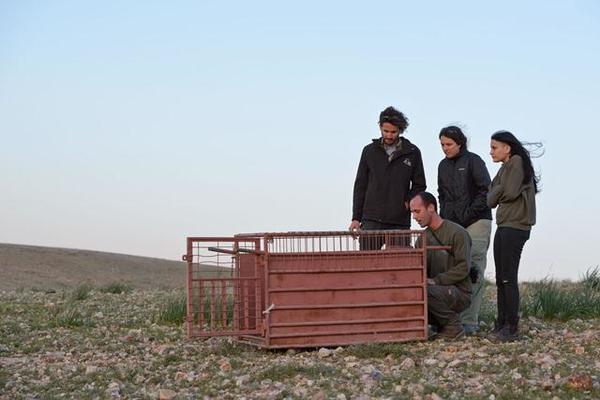
After four months of recovery, Oliel was finally strong enough to be released. Staff loaded his enclosure onto a vehicle and drove him out to a release site, though Oliel himself had no way of understanding what was happening or where he was headed.
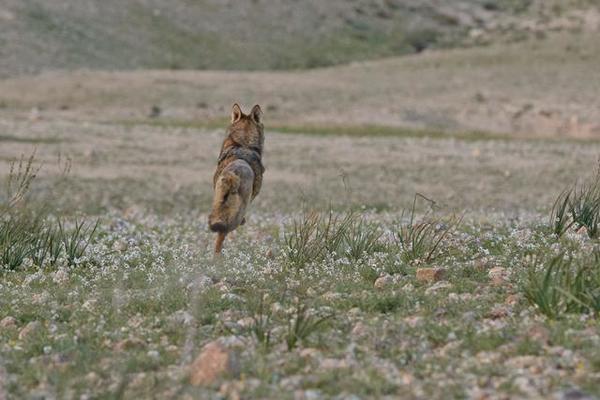
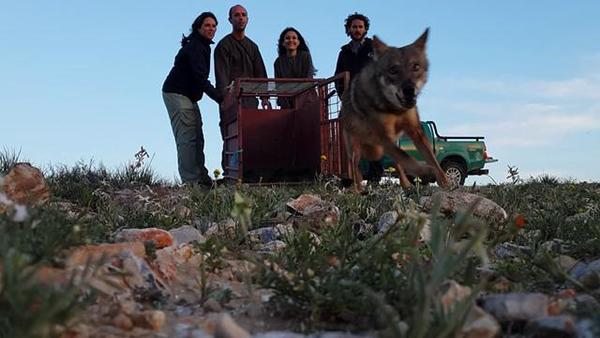
Once his cage was opened, he hesitated. After months in captivity, freedom wasn’t something he trusted right away. But after a brief pause, he made his move — sprinting out of the enclosure and into the open, running without looking back, his once-broken leg finally carrying him the way it was meant to.
Frequently Asked Questions
What is an Arabian wolf, and how is it different from other wolves? The Arabian wolf is a smaller subspecies of gray wolf found in Israel, Jordan, Saudi Arabia, and Yemen. It’s notably smaller than North American and European wolves, living in small family packs adapted to arid desert environments.
Why are Arabian wolves sometimes in conflict with farmers? Because they will prey on livestock when given the chance, farmers in the region often view Arabian wolves as pests, which has historically led to hunting, trapping, and poisoning, despite legal protections for the species in some areas, including Israel.
How long does it typically take an injured wild wolf to recover from a broken leg? Recovery time varies by injury severity, but a case like Oliel’s — requiring surgical repair and a lengthy rehabilitation period before release — commonly takes several months, during which the animal is monitored to ensure it can survive independently once returned to the wild.
What should someone do if they find an injured wild animal? Contacting a licensed wildlife rescue organization or veterinarian as soon as possible gives an injured animal the best chance of survival, since untreated injuries like a broken leg are often fatal for wild animals left on their own.
Sources: General background on Arabian wolf biology and conservation status, cited above; original incident source could not be independently verified.
Leave a Reply