• Skip to main content
  • Skip to primary sidebar
  • Skip to footer
  • Home
  • About Us
  • Copyright Report
  • Submit Content
  • Terms
  • Privacy Policy
  • Legal Disclaimer

Hasan Jasim

Hasan Jasim is a place where you may get entertainment, viral videos, trending material, and breaking news. For a social generation, we are the largest community on the planet.

Scientists finally figure out why hundreds of gray whales keep washing up dead along US coasts

by Stephen King Leave a Comment

ShareTweet

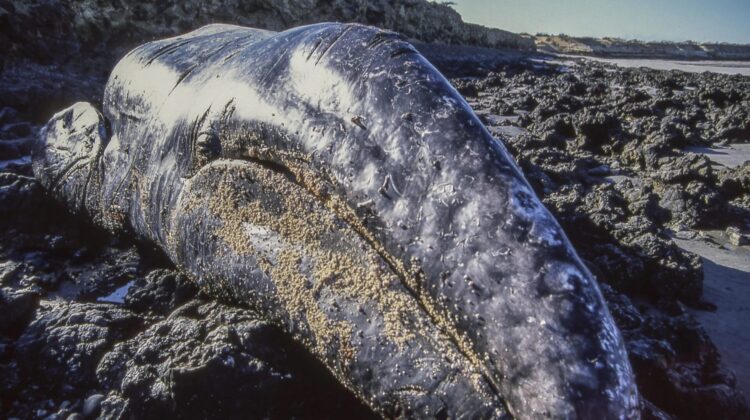
For decades, scientists have grappled with the puzzling phenomenon of mass gray whale deaths along the US coasts. A recent study may provide answers, shedding light on the role of Arctic sea ice in these mysterious die-offs.
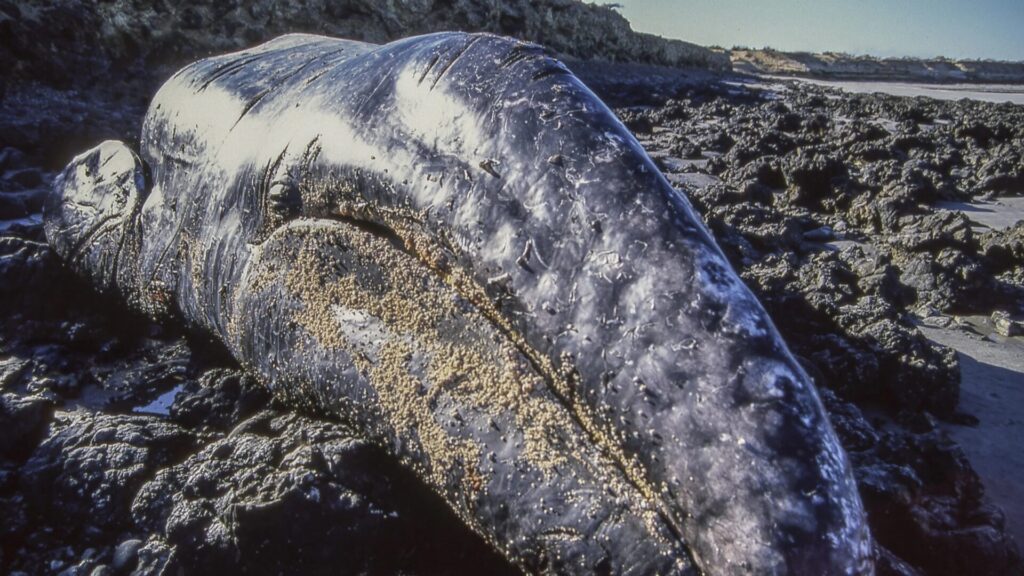
Since the 1980s, three mortality events have afflicted the gray whale population off the North American coast, resulting in a 15% to 25% decline each time. The first and largest die-off occurred between 1987 and 1989, claiming at least 700 whales. Subsequent events in 1999-2000 and 2019, which is still ongoing, have raised concerns. In total, over 2,000 gray whales have perished.

Initially, scientists believed these fluctuations were due to the gray whale population exceeding its habitat and prey capacity, given their successful recovery after near-extinction due to commercial whaling. However, a new study published in the journal Science suggests that changing Arctic sea ice levels may offer a more plausible explanation.
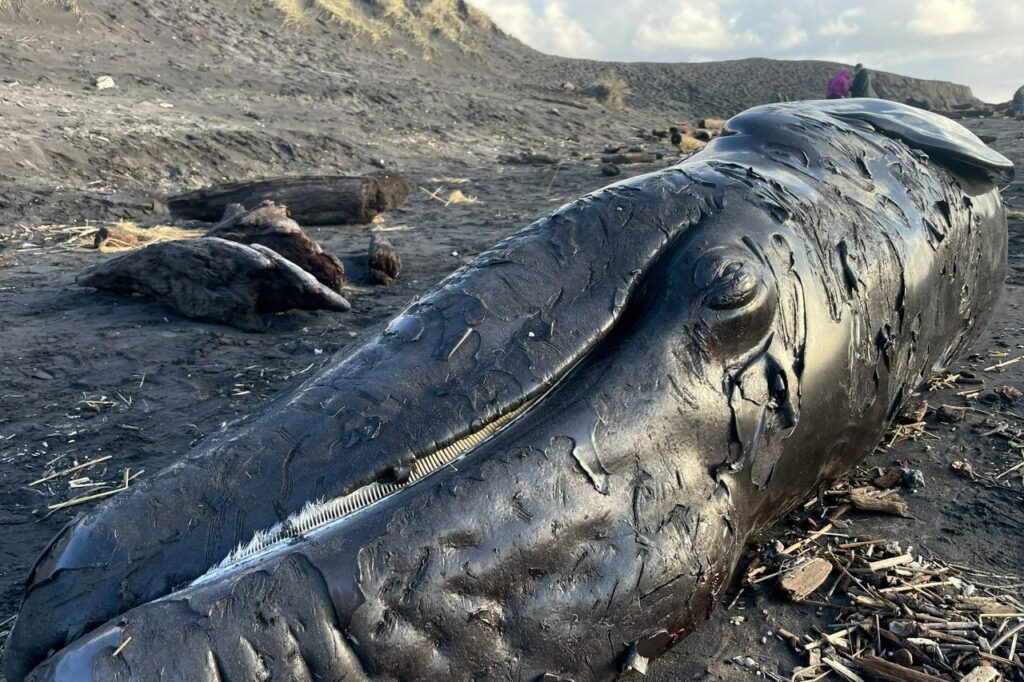
Fluctuations in Arctic sea ice cover and food availability for gray whales could be key determinants of population health. In years with above-average ice cover, the whales’ passage to the Bering and Chukchi seas, where they feed on fatty crustaceans, is obstructed. This disruption, coupled with low prey availability, places significant stress on the gray whale population.

Historically, gray whales have rebounded quickly from mortality events. However, the ongoing die-off since 2019 marks uncharted territory, suggesting that a loss of Arctic sea ice might be to blame. Sea ice plays host to algae on its underside, which decays and serves as a food source for bottom-dwelling creatures, including gray whales’ preferred crustaceans.
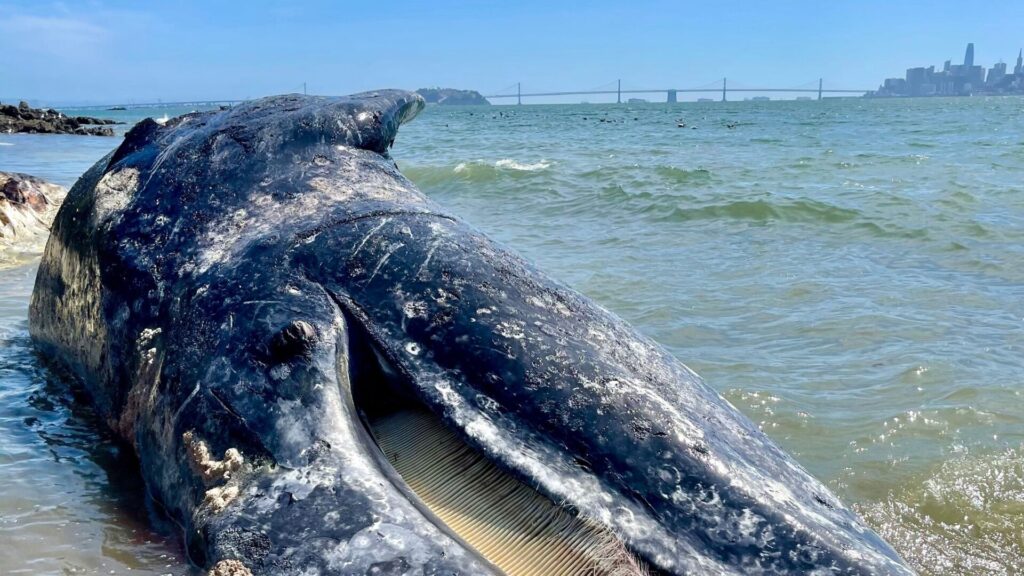
Climate change further complicates the situation, causing highly variable and rapidly changing ocean conditions. While this may not endanger the northeastern Pacific gray whale population, it could threaten the Arctic Ocean’s capacity to support the whales as it has in the past.

The study’s findings provide valuable insights into the complex interplay between Arctic sea ice, climate change, and the mysterious mortality events among gray whales.

Filed Under: Trends Worldwide Tagged With: along, coasts, dead, figure, finally, gray, hundreds, keep, Scientists, trends, washing, Whales, worldwide

Reader Interactions

Leave a Reply Cancel reply

Your email address will not be published. Required fields are marked *

Primary Sidebar

More to See

Man made a bed for his elderly dog at the beach so she could see the sea one last time

By Stephen King

Wildflowers: Nature’s Unsung Heroes

By Stephen King

Nurse’s Compassion Extends Beyond the Hospital: Rescues Patient’s Dog from Shelter

By Stephen King

Stop buying ginger from store — Grow an endless supply at home in a pot

By Stephen King

Farmer thinks hen laid eggs, gets closer and discovers she’s protecting something completely different

By Stephen King

With the Help Of A Giant Dog, A Grumpy Shelter Kitten Transforms

By Stephen King

People Apparently Still Don’t Know What Paprika Is Actually Made From

By Stephen King

Footer

About hasanjasim.online

Hasanjasim.online is a digital platform dedicated to publishing diverse articles and content, with a strong focus on topics related to the animal kingdom, nature, and the environment. The website offers engaging stories and visual content aimed at raising awareness about animal welfare and showcasing the wonders of the natural world, making it a great destination for nature lovers and curious readers alike.

Recent

  • Scientists Discover Orcas Deliberately Smashing Giant Sunfish Until They Explode
  • This Rare Turtle Can Breathe Through Its Rear — And Scientists Say It’s One of Earth’s Most Extraordinary Reptiles
  • Do Whales Have Hair? The Surprising Truth About These Giant Ocean Mammals
  • Scientists Think They’ve Finally Worked Out Why This Image Freaks You Out
  • Tragic update on story of bear stuck on top of telephone pole
  • Royal Mail Worker Accused of Kicking Blind Dog Sparks Outrage as Fellow Postal Staff Defend His Actions
  • Photographer Travels 900 Miles to Capture One of the World’s Rarest Snowy Owls

Search