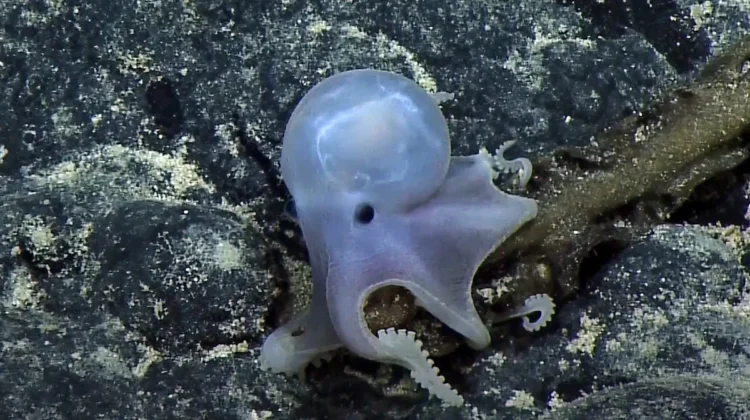
Octopuses can open jars, solve puzzles and change color in a split second. A new study from the University of Vienna suggests that part of the explanation may be hidden in an unexpected place: the way their DNA is twisted and looped inside their cells.
An Ancient Reshuffle
Octopuses, squid and cuttlefish belong to a group called the coleoid cephalopods, whose common ancestor lived roughly 270 million years ago. Despite being soft-bodied relatives of clams and snails, these animals have the largest nervous systems of any invertebrates.
At some point in that ancestor’s history, according to the researchers, large sections of its chromosomes were broken apart and rejoined in a new order. The study, published on October 9, 2026, in Nature Communications, set out to find out what that shuffle did.
DNA Is Folded, Not Straight
DNA does not sit in a cell as a neat, straight strand. It is folded into a tangled three-dimensional shape, like a long extension cord coiled up in a drawer, where two points far apart on the cord can end up side by side. “The genome isn’t just a sequence of genes. It’s folded into a complex three-dimensional structure,” said lead author Dr. Thea Rogers.
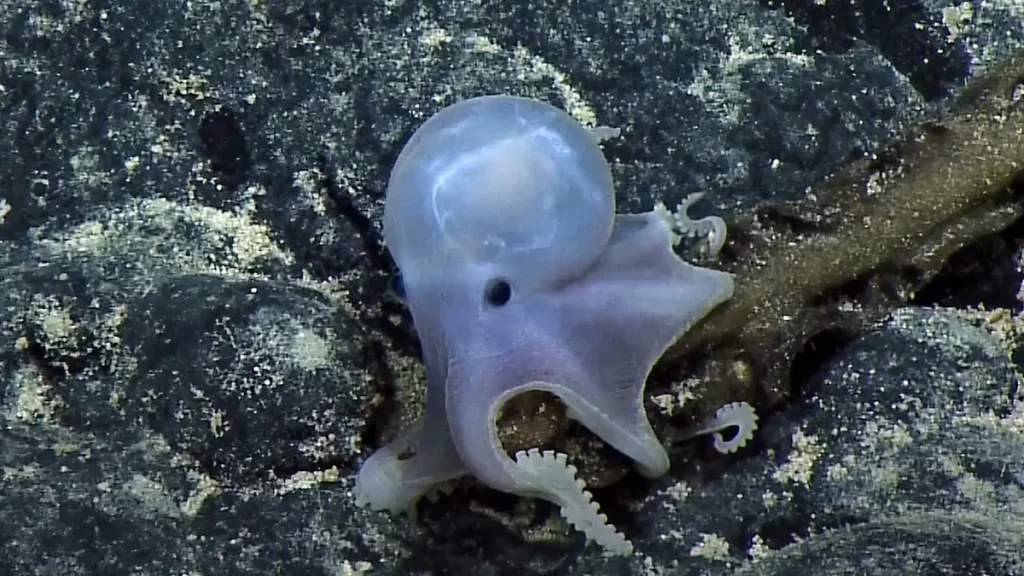
When DNA folds this way, stretches that are far apart on the strand can touch and influence how active a gene is. The ancient shuffle moved distant pieces next to each other, and over time, the team says, those new connections became embedded in larger networks. The researchers call the process regulatory entanglement.
What the Team Found
The scientists mapped the 3D genome of three species: the Hawaiian bobtail squid, the common cuttlefish and the California two-spot octopus. In whole embryos, they identified 329 DNA loops in the squid, 912 in the cuttlefish and 663 in the octopus.
The octopus stood out. Its genome is the smallest of the three, at roughly 2.5 billion DNA letters, compared with more than 5 billion in squid and cuttlefish, yet it had the longest loops, typically spanning about 2.9 million letters versus 1.6 million in the squid and 1.3 million in the cuttlefish. More than half of its loops joined genes that sit on different chromosomes in the squid and cuttlefish. Brain, eye and arm tissue had similar numbers of loops, while internal organs had about a third as many.
Why “Entanglement” Matters
Because the shuffle changed how DNA is folded rather than the gene sequences themselves, the animals could keep their essential functions while gaining new ways to control genes. The researchers say this balance between innovation and stability may help explain how new traits emerge during evolution, and they argue that the shape of a genome may actively steer evolution instead of being a passive by-product.
What the Study Doesn’t Prove
The link to brain evolution is a proposal, not a proven result. The authors say the new loops sit near genes involved in the nervous system, but they have not shown directly that those loops created the cephalopod brain. More experiments are needed to test the idea.
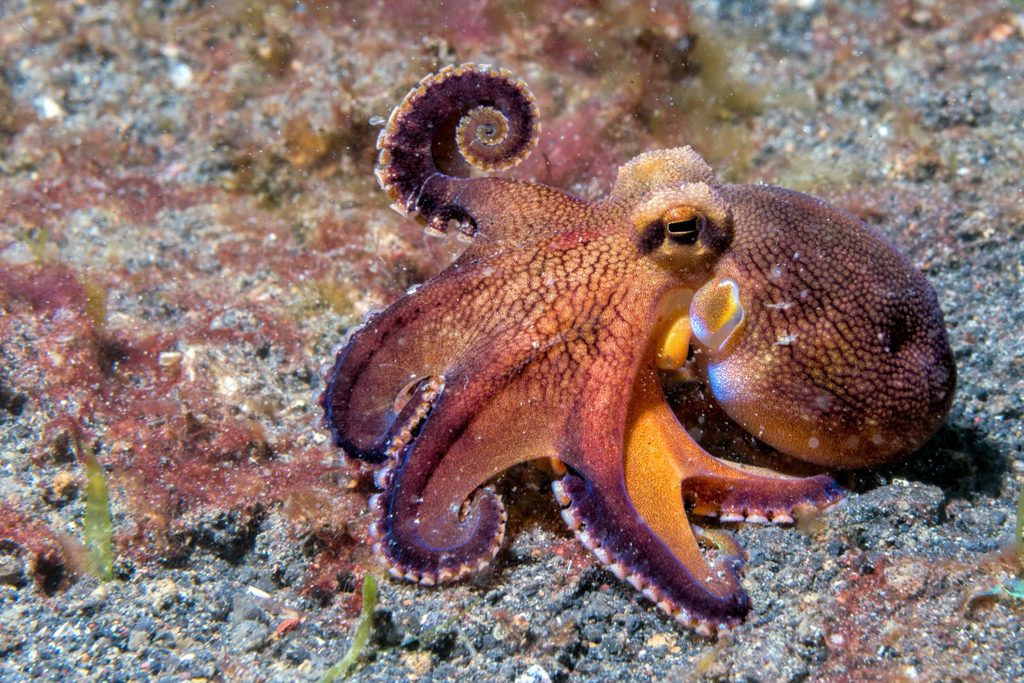
Explore the World of Octopuses
If this story has you fascinated, here are some ways to learn more:
- Aquariums. Compare aquarium tickets and annual passes to see octopuses up close.
- Documentaries. A documentary streaming subscription offers ocean films about octopus intelligence.
- Books and kits. Marine biology books and science kits are great for curious kids and adults.
- Courses. Online marine biology courses explore evolution and genetics.
- Support oceans. A donation to an ocean conservation charity helps protect marine habitats.
Frequently Asked Questions
What did the University of Vienna study find? That an ancient reshuffling of cephalopod chromosomes created new 3D DNA contacts that may have helped shape their complex nervous systems.
Which animals were studied? A bobtail squid, a cuttlefish and a California two-spot octopus.
Does this prove how octopuses became smart? No. The researchers describe the link to brain evolution as a proposal that still needs direct testing.
What is regulatory entanglement? The build-up of interconnected gene-control networks after distant pieces of DNA were brought together.
Sources: Nature Communications, the University of Vienna, Earth.com, and The Debrief, all covering the October 2026 study of 3D genome folding in octopus, squid and cuttlefish and its possible role in the evolution of cephalopod brains.
Leave a Reply