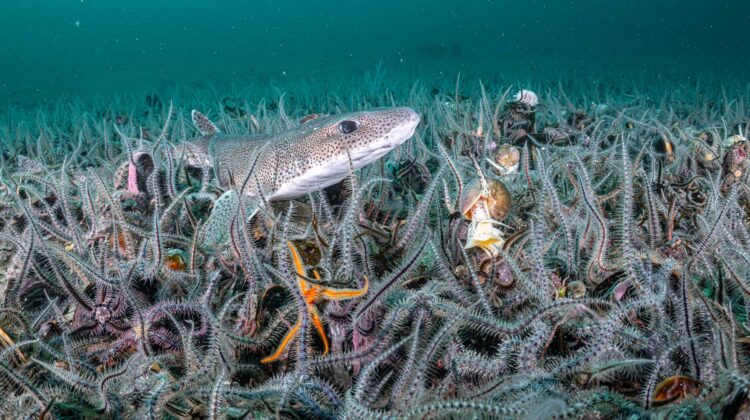
Marine life on the seafloor around a protected area off the coast of Scotland has recovered significantly following restrictions on bottom trawling, according to new scientific research examining the long-term impact of marine conservation measures.
Researchers studying the South Arran Marine Protected Area found substantially higher levels of biodiversity and seabed activity compared with nearby unprotected regions where bottom-contact fishing practices continue.
The study reported roughly three times more seabed organisms and twice as many species in protected areas, suggesting that limiting destructive fishing methods may allow damaged marine ecosystems to begin rebuilding over time.
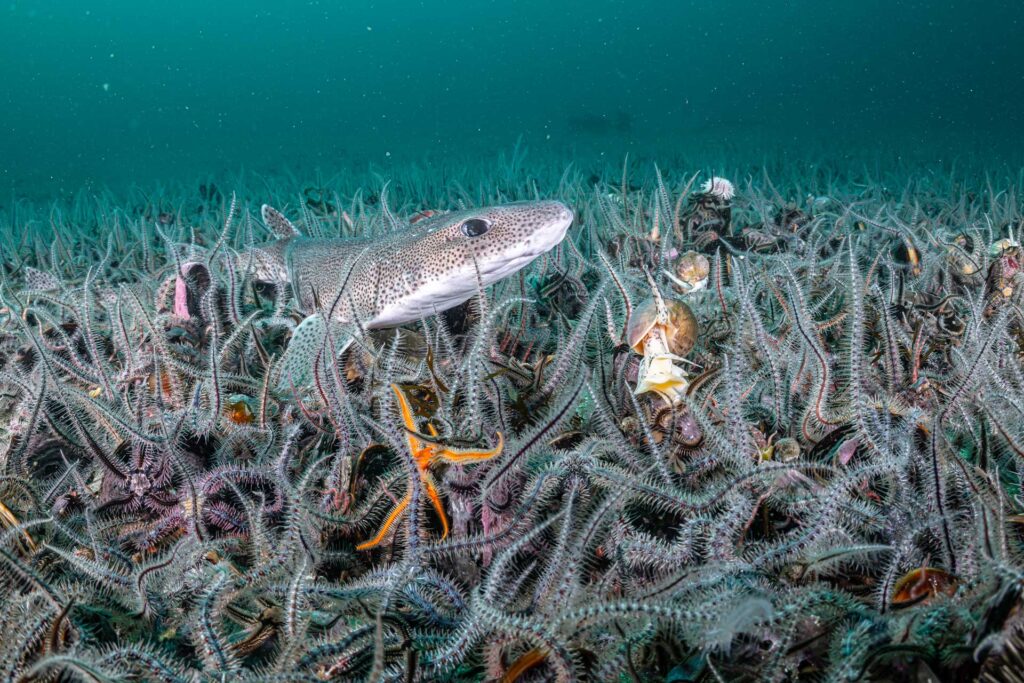
Scientists involved in the research said the findings challenge common perceptions that muddy seabeds are lifeless or biologically unimportant.
Instead, they describe these underwater environments as highly active ecosystems filled with organisms that help recycle nutrients, stabilize sediment and support broader ocean health.
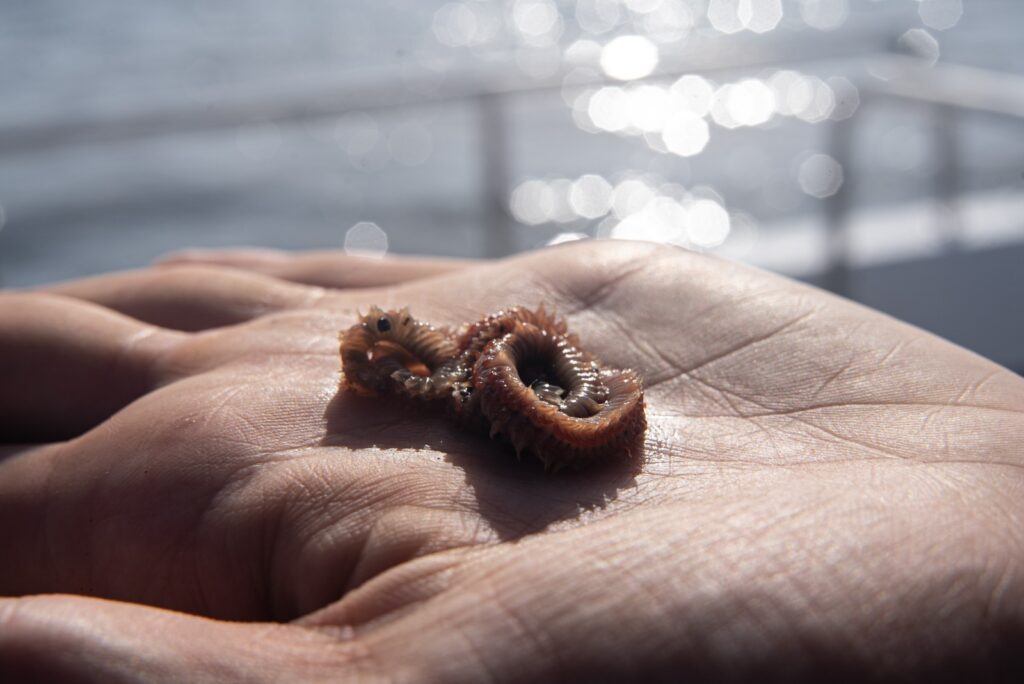
Among the species recorded were spoon worms, shell-building organisms and various burrowing marine animals that play crucial ecological roles beneath the surface.
Researchers explained that these creatures constantly move and process sediment, contributing to carbon storage and helping maintain the health of continental shelf ecosystems.
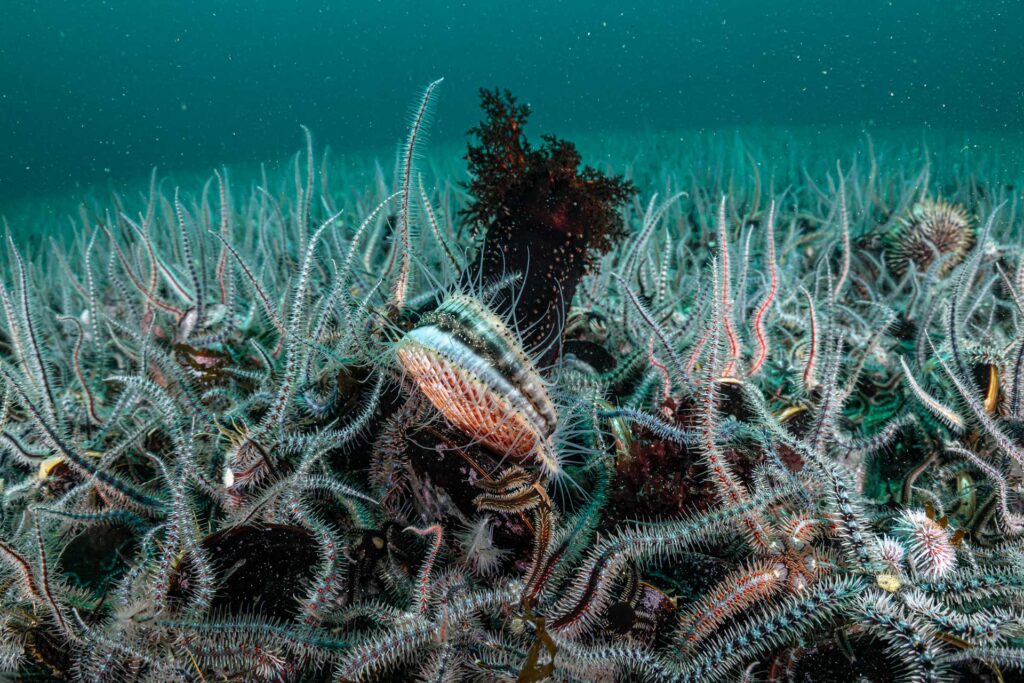
Bottom trawling — a fishing method involving heavy gear dragged across the seafloor — has long been criticized by conservationists because of its impact on fragile marine habitats.
Large sections of Europe’s seabed have experienced centuries of repeated disturbance from trawling activity, leaving scientists with limited modern examples of what healthy seabed ecosystems once looked like.
According to researchers, some historical records from the 18th and 19th centuries describe extraordinarily rich underwater habitats filled with dense marine life, shell-forming organisms and complex biological structures that are now rarely seen.
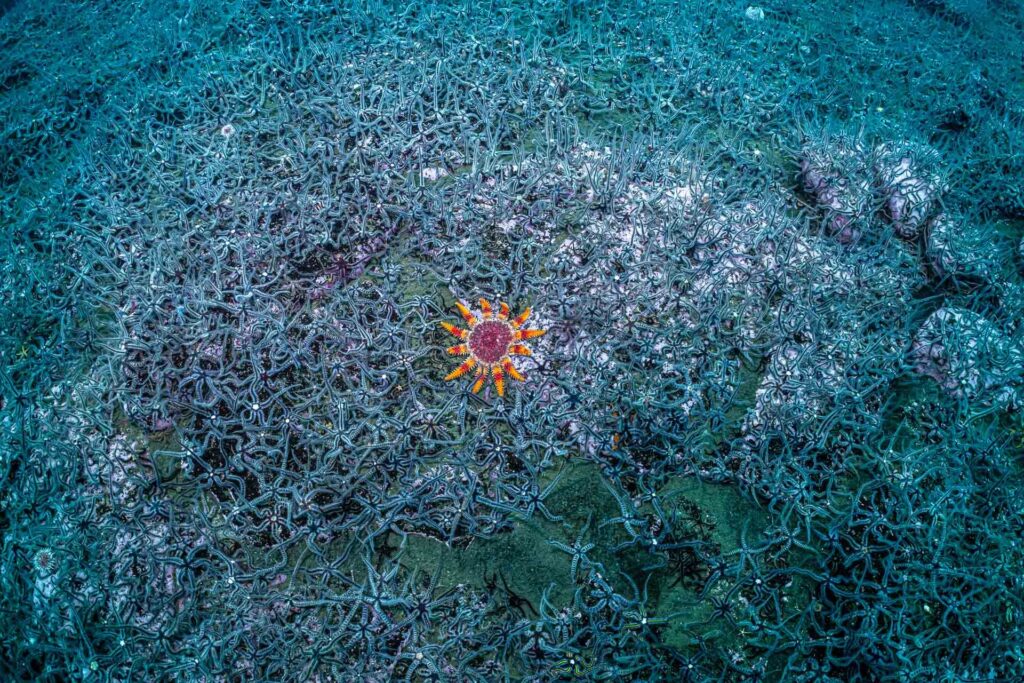
The South Arran findings suggest that at least some recovery may still be possible when ecosystems are given time and protection.
Scientists say marine protected areas could play an increasingly important role not only in biodiversity conservation, but also in climate resilience, fisheries sustainability and ocean carbon storage.
The study also contributes to broader debates about balancing commercial fishing with long-term ecosystem health as governments worldwide expand marine conservation targets.
For environmental advocates, the results provide evidence that damaged seabed habitats can recover more quickly than previously assumed under the right conditions.
Why seabed restoration matters for climate and fisheries
Healthy seabed ecosystems are increasingly recognized as important for carbon storage, sustainable fisheries and ocean biodiversity. Protecting marine habitats from intensive disturbance may also support long-term economic resilience for coastal communities, seafood industries and environmental conservation efforts as climate pressures on the oceans continue to grow.
Leave a Reply