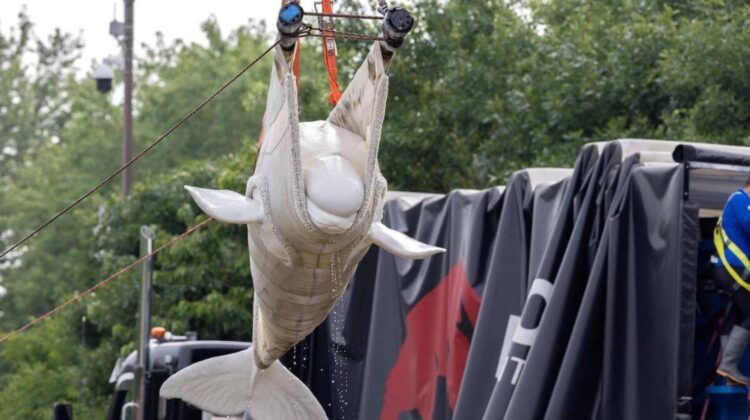
Six beluga whales have begun a new chapter after being relocated from the closed Marineland marine park in Niagara Falls, Ontario, as part of a long-awaited international rescue operation aimed at improving the welfare of dozens of marine mammals still housed at the former attraction.
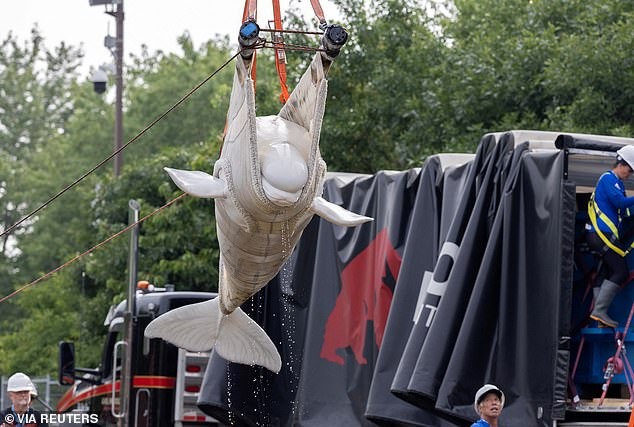
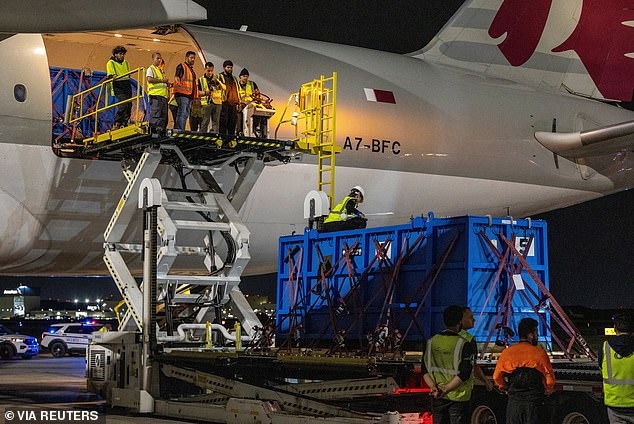
The complex relocation mission, which began on Monday, saw specially trained veterinary teams and marine mammal experts carefully transfer the first group of whales to accredited facilities in the United States, including Shedd Aquarium in Chicago and SeaWorld San Antonio in Texas.
The operation marks the first stage of a wider plan to relocate the remaining beluga whales that have remained at Marineland since the park closed to visitors two years ago.
Years of Campaigning Lead to Major Breakthrough
Animal welfare advocates have spent years urging authorities to find safer homes for the whales after concerns grew about their future following Marineland’s closure.
Earlier proposals raised fears that the animals could face euthanasia if suitable facilities could not be secured, prompting conservation groups, veterinarians, and government agencies to work together to develop alternative solutions.
Among the organizations involved in the campaign is TideBreakers, whose members have documented conditions at the facility and advocated for improved welfare standards for marine mammals held in captivity.
Marketa Schusterova, co-founder of TideBreakers, described the relocation as a major milestone after nearly a decade of campaigning.
She said the organization had spent years monitoring the animals’ welfare while encouraging authorities to pursue long-term solutions for the whales.
A Highly Coordinated Rescue Operation
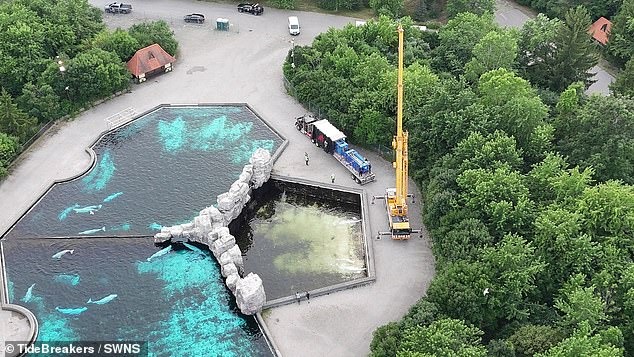
Moving beluga whales is an exceptionally challenging process requiring months of preparation.
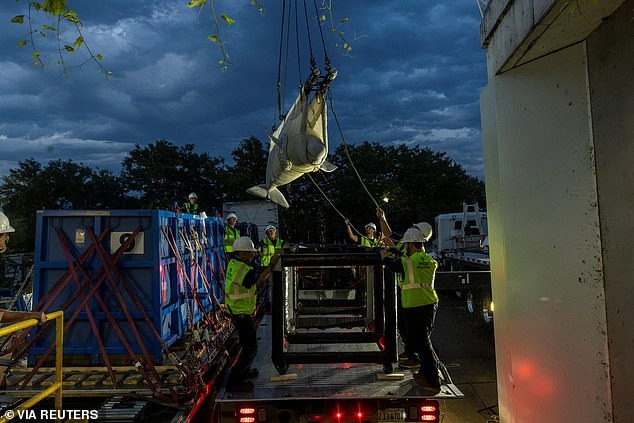
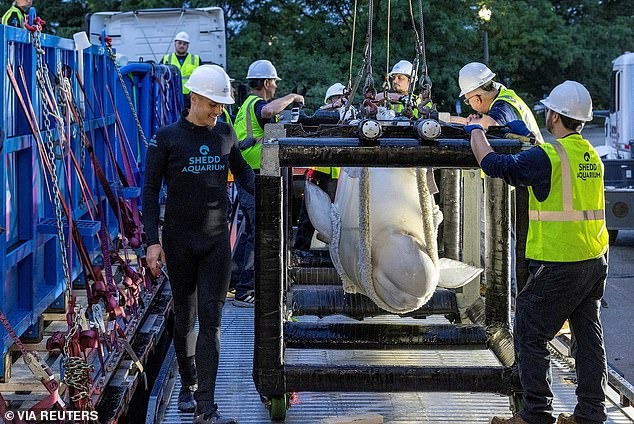
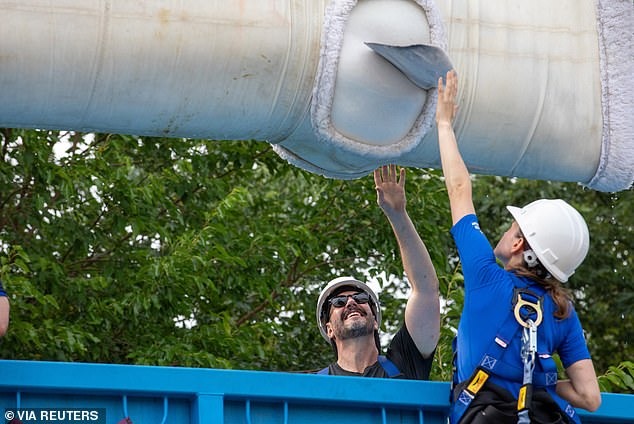
Each whale, weighing up to 3,500 pounds (around 1,600 kilograms), was gently lifted from its enclosure using specially designed transport slings attached to heavy-duty cranes before being placed into climate-controlled transport vehicles.
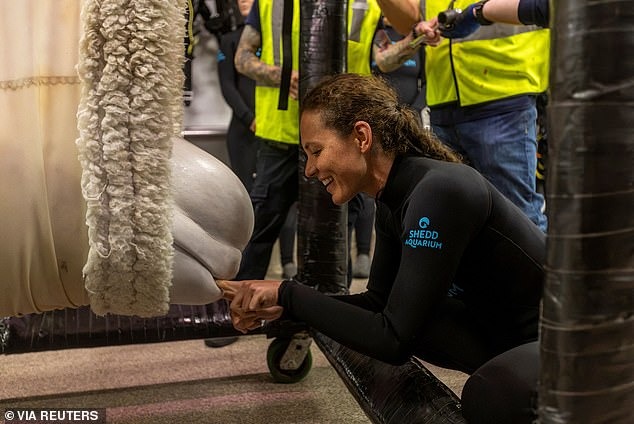
Throughout the operation, veterinarians continuously monitored the animals’ breathing, heart rate, hydration, and stress levels to ensure their safety.
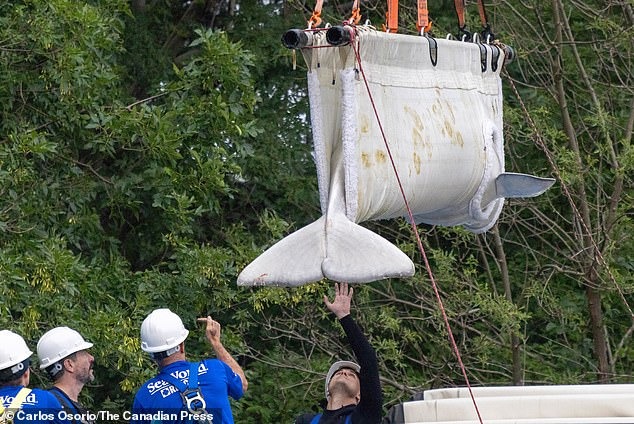
Images released from the rescue show teams of marine mammal specialists working alongside staff from several leading aquariums as the whales were carefully prepared for transport.
The relocated whales are expected to remain under close veterinary observation as they gradually adapt to their new environments.
Why the Whales Cannot Be Released Into the Wild

Although many conservationists support reducing cetacean captivity, experts say these particular beluga whales cannot simply be released into the ocean.
Having spent their entire lives under human care, they lack many of the survival skills needed to find food, avoid predators, and navigate complex marine environments independently.
As a result, accredited aquariums currently represent the safest available option while longer-term sanctuary projects continue to be explored.
Conservation organizations note that, despite growing support for ocean sanctuaries, there are currently no fully operational sea sanctuaries specifically designed to accommodate large groups of captive beluga whales.
A Wider Animal Welfare Challenge
The Marineland rescue reflects a broader global challenge facing marine mammals housed in aging facilities.
As several marine parks around the world reduce operations or permanently close, governments and conservation organizations are increasingly confronted with the question of where captive whales and dolphins can safely live.
Canada took a major step in 2019 by passing legislation prohibiting the breeding and future captivity of whales and dolphins for entertainment purposes.
However, experts emphasize that ending captivity responsibly also requires developing suitable long-term homes for animals already living in human care.
Conservation groups argue that relocation efforts like this one provide an important bridge while dedicated marine sanctuaries continue to be planned and developed.
More Relocations Still Ahead

The six whales transferred this week represent only the first phase of the broader relocation program.
Authorities have not yet announced a timetable for moving the remaining 24 beluga whales, although planning is expected to continue over the coming months.
Animal welfare organizations say each transfer must be carefully coordinated to ensure every whale receives the highest standard of veterinary care throughout the journey.
For campaigners who have followed the issue for years, the successful relocation offers hope that the remaining animals will eventually receive the same opportunity for improved living conditions.
The Future of Marine Mammal Conservation
Around the world, attitudes toward keeping whales and dolphins in captivity continue to evolve as scientific understanding of these highly intelligent animals grows. Conservationists increasingly support the development of protected coastal sanctuaries that provide more natural environments while allowing rescued marine mammals to receive lifelong veterinary care. Experts believe future collaboration between governments, aquariums, scientists, and animal welfare organizations will play a crucial role in improving standards of care, protecting marine biodiversity, and ensuring ethical solutions for animals that cannot safely return to the wild.
Leave a Reply