• Skip to main content
  • Skip to primary sidebar
  • Skip to footer
  • Home
  • About Us
  • Copyright Report
  • Submit Content
  • Terms
  • Privacy Policy
  • Legal Disclaimer

Hasan Jasim

Hasan Jasim is a place where you may get entertainment, viral videos, trending material, and breaking news. For a social generation, we are the largest community on the planet.

Wolves’ Built-In Adaptation: Their Insulating Undercoat

by Stephen King Leave a Comment

ShareTweet

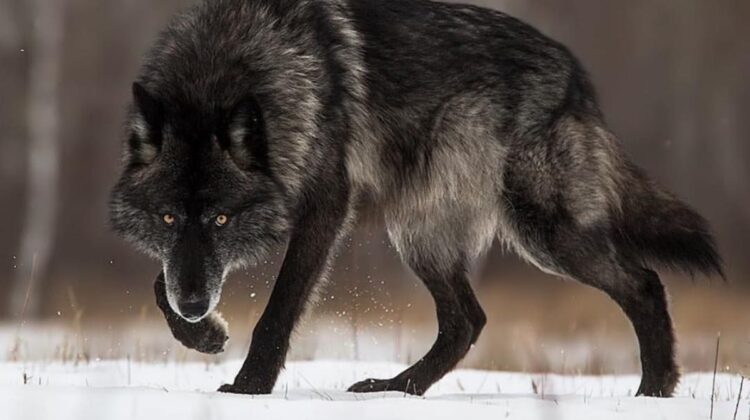
As the seasons change and the days get shorter, we humans begin to prepare for colder temperatures by bundling up in jackets and scarves. However, for wolves, adapting to the changing seasons is a bit different. They have their own built-in adaptation: a thick undercoat of fur.

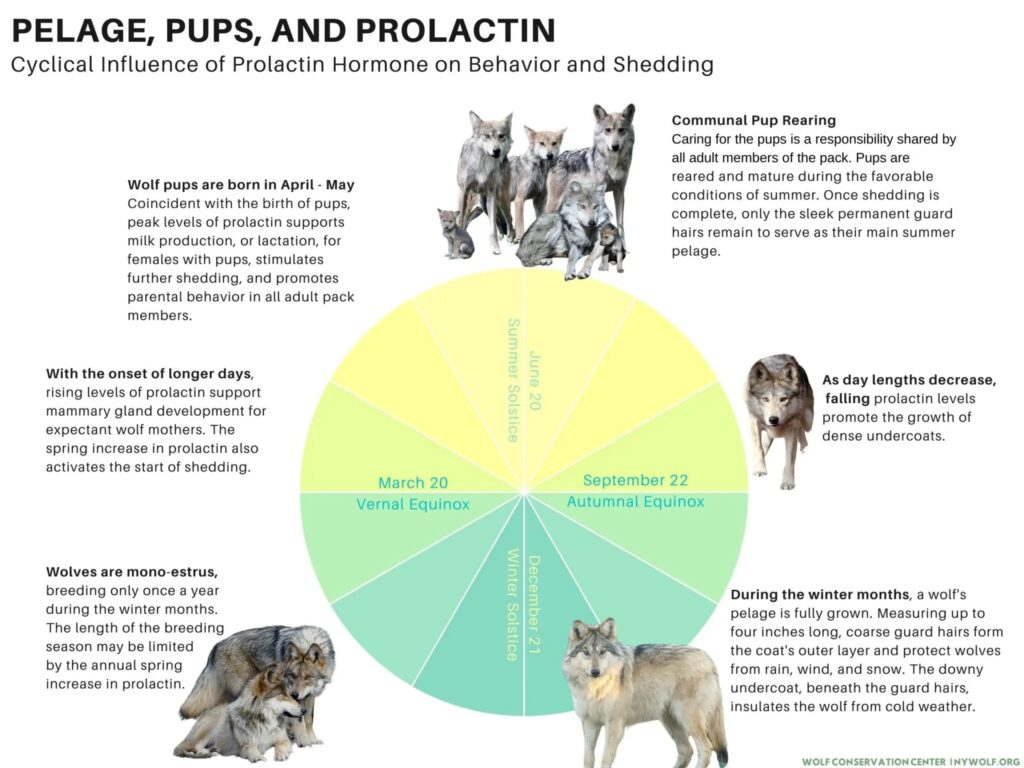
A wolf’s coat consists of two layers: the long, protective guard hairs that form the visible outer layer of fur, and the downy undercoat that keeps them warm in cooler temperatures. This undercoat is shed during the spring and thickens as autumn approaches, allowing the wolf to regulate their body temperature as the seasons change.

The shedding and thickening of the undercoat is driven by hormone levels that rise in the spring with longer days and decrease as day lengths shorten in the fall. This photoperiodic rhythm in the wolf’s body chemistry allows them to adapt to the changing seasons without the need for warm outerwear.
It’s fascinating to think about the intricate ways in which animals adapt to their environments. Wolves have evolved to survive in cold climates by growing their own insulation. This adaptation not only keeps them warm but also helps them conserve energy, as they don’t need to expend energy searching for or creating shelter.

As we enter the colder months, we can appreciate the resilience of animals like the wolf, who have adapted to survive in harsh conditions. It’s a reminder that nature is full of surprises and that we can learn a lot from the animals that share our world.
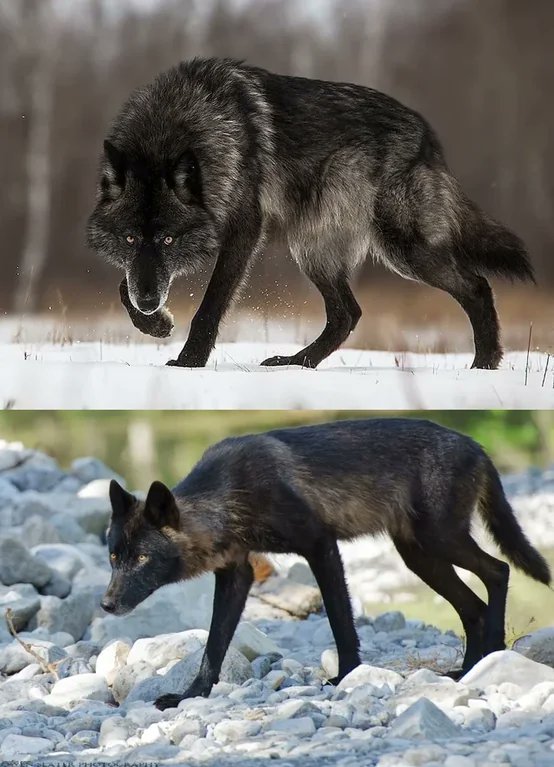
In conclusion, the shedding and thickening of a wolf’s undercoat is a fascinating adaptation that allows them to survive in cold climates without the need for warm outerwear. Driven by hormone levels and the photoperiodic rhythm of their body chemistry, wolves can adapt to the changing seasons and thrive in even the harshest of environments.

Filed Under: Trends Worldwide Tagged With: Adaptations of wolf fur, animal adaptations, Animal insulation, Biology, Conservation, ecology, Evolutionary traits of wolves, Hormone regulation in animals, How wolves survive winter, NATURE, Nature’s adaptation examples, Photoperiodic rhythm, Science, wildlife, Wildlife survival in winter, Winter survival, Winter survival strategies, Wolf adaptation to cold, Wolf undercoat, wolves, Wolves insulating undercoat

Reader Interactions

Leave a Reply Cancel reply

Your email address will not be published. Required fields are marked *

Primary Sidebar

More to See

Jason Kelce, wife Kylie mourn the death of their beloved dog Winnie: “I lost part of my soul today”

By Stephen King

Rare White Stag Sighting: Nature’s Sacred Symbol Resurfaces

By Stephen King

Doctors reveal that eating cucumber in salads causes…

By Stephen King

A Glimpse into the World of the Horsfield’s Tarsier: Joel Sartore’s Remarkable Encounter

By Stephen King

Kayaker sees something swimming at him at full speed – grabs a knife and pulls it out of the water

By Stephen King

Do You Need To Wash Rice Before Cooking? Here’s The Science

By Stephen King

Orangutan mom, thought to be infertile, gives birth and is captured on camera for the first time

By Stephen King

Footer

About hasanjasim.online

Hasanjasim.online is a digital platform dedicated to publishing diverse articles and content, with a strong focus on topics related to the animal kingdom, nature, and the environment. The website offers engaging stories and visual content aimed at raising awareness about animal welfare and showcasing the wonders of the natural world, making it a great destination for nature lovers and curious readers alike.

Recent

  • Scientists Discover Orcas Deliberately Smashing Giant Sunfish Until They Explode
  • This Rare Turtle Can Breathe Through Its Rear — And Scientists Say It’s One of Earth’s Most Extraordinary Reptiles
  • Do Whales Have Hair? The Surprising Truth About These Giant Ocean Mammals
  • Scientists Think They’ve Finally Worked Out Why This Image Freaks You Out
  • Tragic update on story of bear stuck on top of telephone pole
  • Royal Mail Worker Accused of Kicking Blind Dog Sparks Outrage as Fellow Postal Staff Defend His Actions
  • Photographer Travels 900 Miles to Capture One of the World’s Rarest Snowy Owls

Search