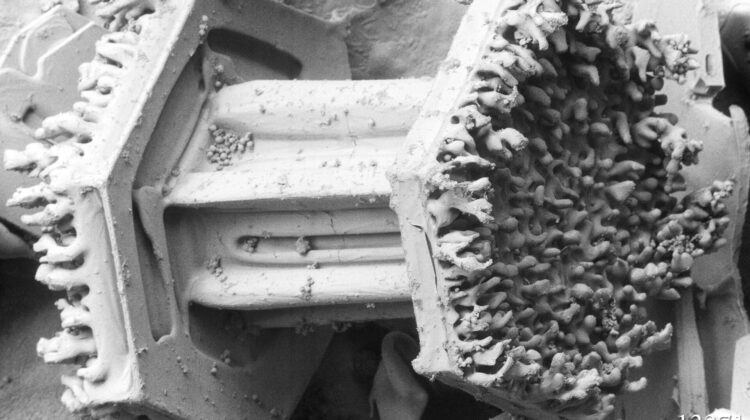
Snowflakes are nature’s fleeting wonders, capturing the hearts of many with their intricate designs and delicate allure. While they appear simple to the naked eye, under a microscope, snowflakes reveal a world of dazzling complexity, making them more than just frozen water. They are ephemeral masterpieces of winter, each with a story shaped by science and nature.
What Are Snowflakes and How Do They Form?
A snowflake begins its journey in the clouds as a tiny ice crystal. This crystal forms when water vapor freezes onto a dust particle in sub-zero temperatures. As it falls through varying layers of air with fluctuating humidity and temperature, the snowflake grows, branching out into unique patterns.
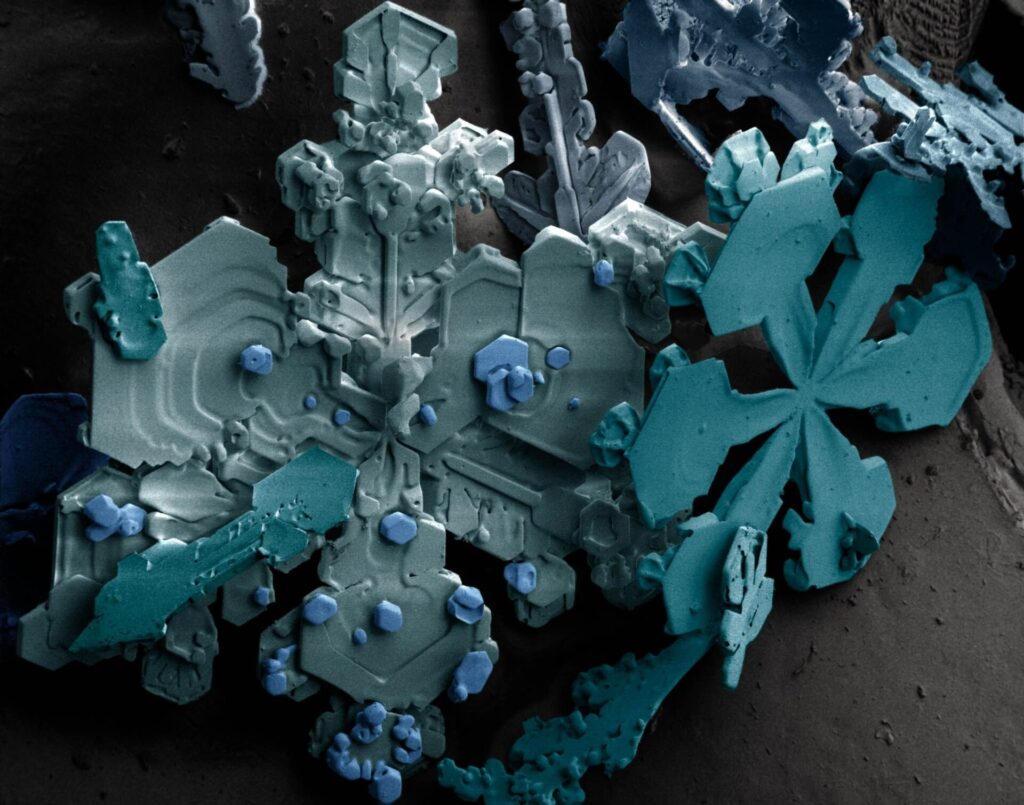
Each snowflake’s shape is influenced by the specific atmospheric conditions it encounters, making it true that no two snowflakes are exactly alike. These conditions, coupled with the molecular structure of ice, result in their characteristic six-sided symmetry.
The Science of Snowflakes Under a Microscope
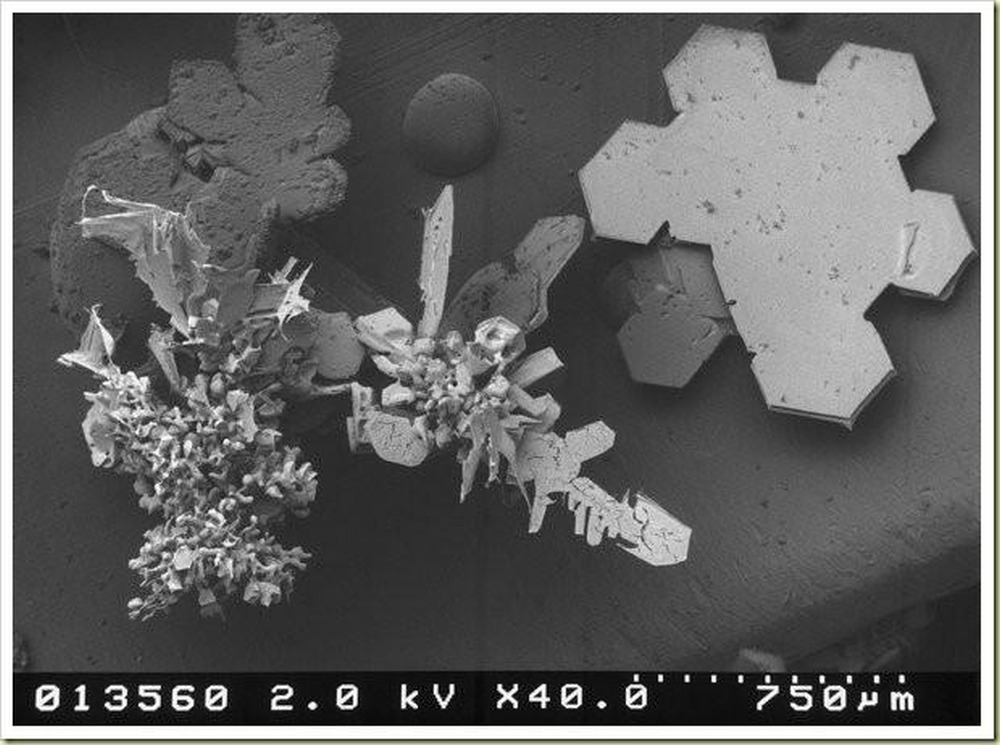
The beauty of a snowflake lies in its details, revealed only under a microscope. Here are the most common types of snowflakes and their features:
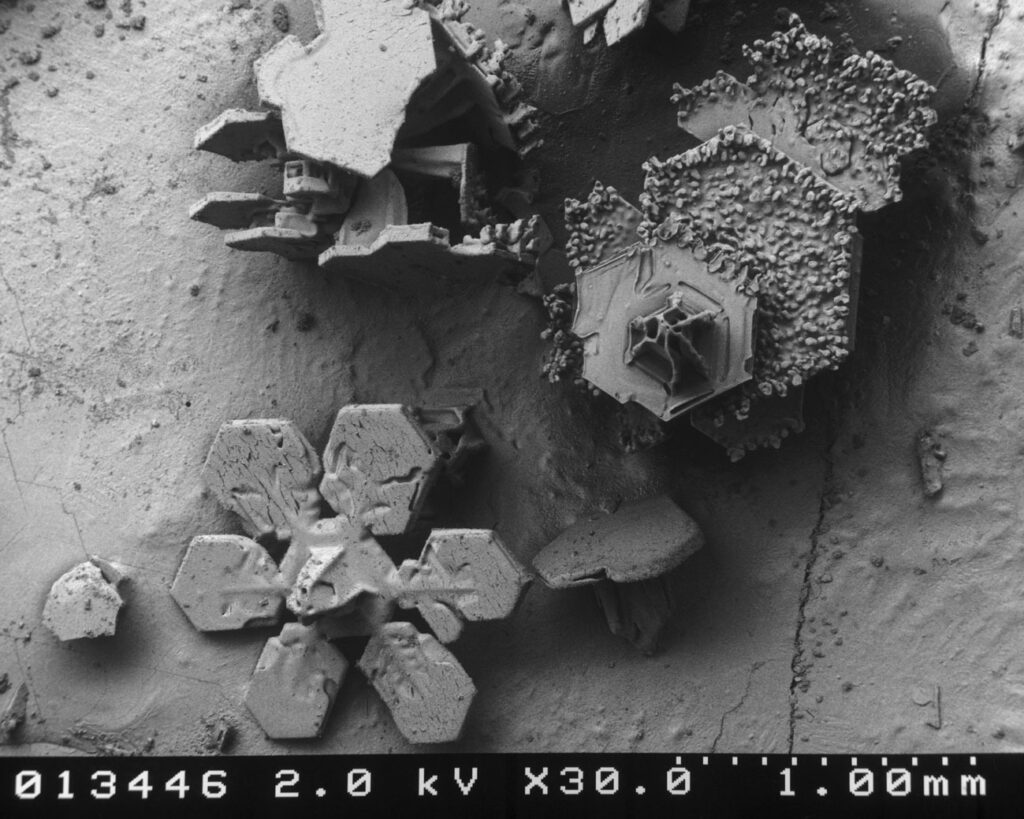
- Stellar Dendrites: These are the iconic six-branched snowflakes we often see in winter decorations. They are formed in high humidity and relatively cold temperatures.
- Hexagonal Plates: These appear as thin, flat, hexagonal shapes with no branches, resembling tiny glass panes.
- Fern-like Crystals: With intricate, feathery branches, these snowflakes are visual marvels.
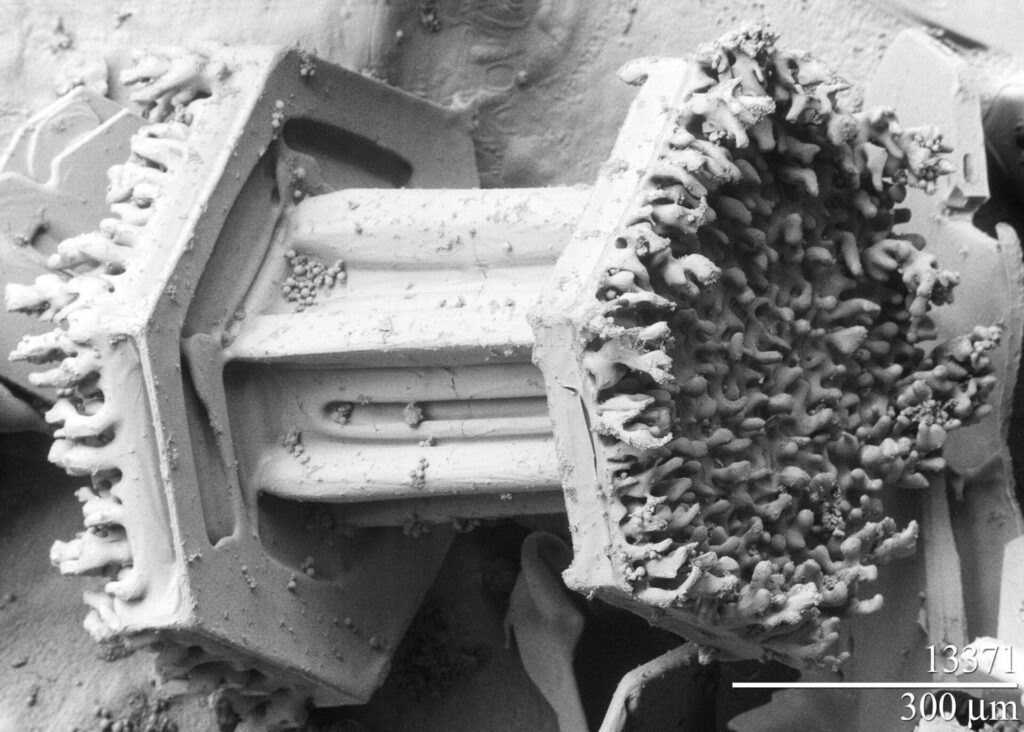
- Columns and Needles: These are slender, elongated snowflakes formed in slightly warmer temperatures.
Each type offers a glimpse into the dynamic interplay of physics and nature, where conditions like temperature and air pressure dictate their eventual design.

The Hidden Role of Snowflakes in Science and Technology
Beyond their visual appeal, snowflakes serve an important role in scientific research.
- Weather Analysis: By studying snowflake structures, meteorologists can better understand atmospheric conditions, aiding in more accurate weather forecasts.
- Climate Research: Snowflakes’ formation processes reveal details about the temperature and humidity levels of the clouds they form in, providing insights into climate patterns.
- Materials Science: The intricate, lightweight structure of snowflakes has inspired biomimetic engineering. Scientists mimic their designs to create advanced materials, such as stronger, lightweight composites.

Snowflakes as Nature’s Art
While snowflakes contribute to science, their most profound impact is their ability to inspire awe. Each one is a fleeting sculpture, lasting only moments before melting away. They remind us of the ephemeral beauty surrounding us and the meticulous artistry of nature.
Tips for Viewing Snowflakes
If you want to see the magical details of a snowflake up close, here’s how:
- Use a Magnifying Glass: Capture a snowflake on black felt or dark paper and view it immediately.
- Microscope: For the best view, use a microscope to magnify the snowflake’s intricate branches and symmetry.
- Photographing Snowflakes: Use a macro lens on your camera to preserve the fleeting beauty of these icy gems.
Snowflakes are more than just frozen water—they are intricate works of art shaped by the forces of nature. Whether you’re marveling at their unique patterns under a microscope or appreciating their quiet descent from the sky, snowflakes are a reminder of the beauty and complexity of the natural world. Next time snow graces your surroundings, take a moment to appreciate the masterpieces falling all around you. Each snowflake is a tiny miracle, a fleeting gift from the heavens.
Leave a Reply