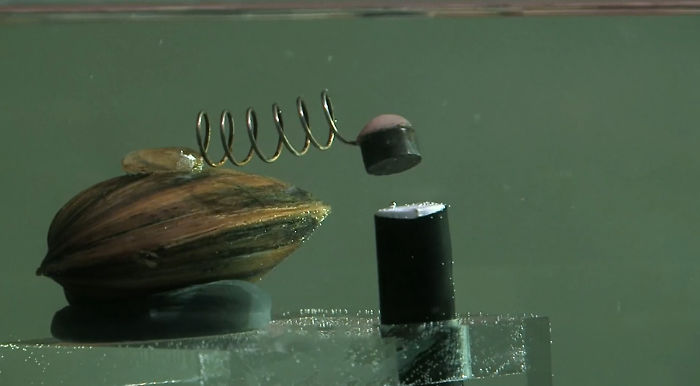
It appears that even some human-made things are better left to nature, despite the fact that it seems like various technologies are completely taking over many different facets of human life… As a result, some regions of the world have chosen to rely on clams and mussels to check the quality of their water. Despite the fact that most of us are accustomed to seeing clams on a fancy dinner plate, some of them are given a more significant task: ensuring the safety of drinking water.
It seems that some places test the clarity of the water using clams and mussels.
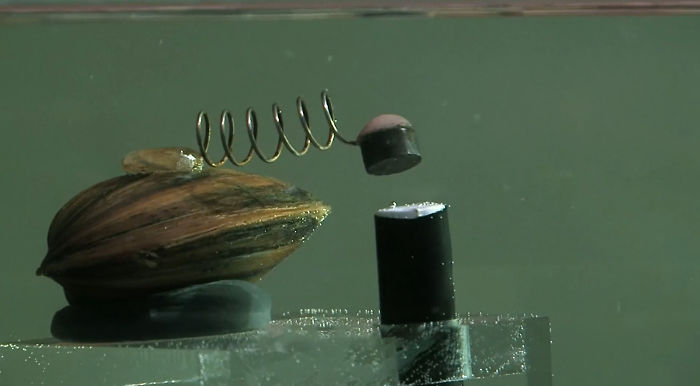
While most people probably think of clams and mussels as a part of some fancy dinner, it appears they have a much higher significance in some places. For example, the water quality in Warsaw, the capital city of Poland, is monitored by… well, yes, clams. A Polish Tumblr user who goes by nickname Ftgurdy explained that the city of Warsaw gets its water from a river and “the main water pump has 8 clams that have triggers attached to their shells. If the water gets too toxic, they close, and the triggers shut off the city’s water supply automatically.” There’s a whole documentary on that, called Fat Kathy, and you can check out its trailer here. It follows how the main scientist-malacologist watches over the system’s operation. The film is described as “a philosophical essay on the dependence of people from nature and the world around them.”
The main water pump in Warsaw, Poland has 8 clams that are responsible for measuring how toxic the water is
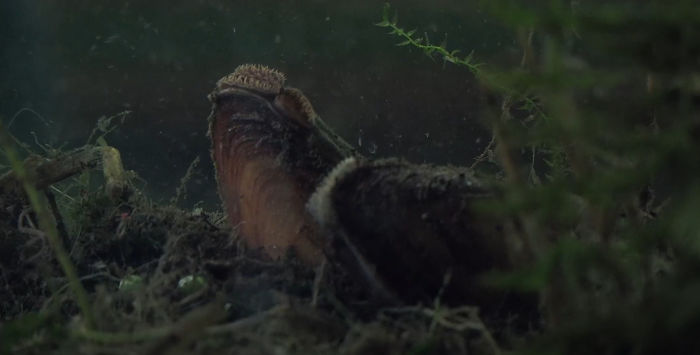
Municipal Water and Sewage Enterprise in the Capital City of Warsaw confirms the use of fish and mussels for biomonitoring. They explain that they use biomonitoring at Warsaw Waterworks to increase the safety of the water treatment process. The mussels of the sharpened scallop species used are very sensitive to water pollution.
Clams are known to be very sensitive and only open their shells slightly in order to feed
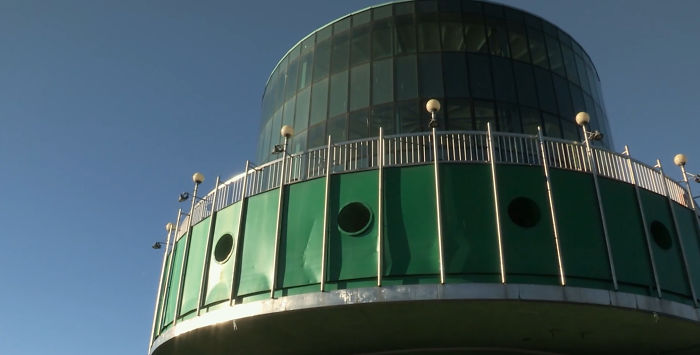
Apparently, the mollusks first undergo an acclimatization process after being caught and brought to the laboratory. It takes about two weeks. During that time, scientists also determine the natural opening of their shell—clams leave a slight opening and feed by filtrating water. Within one hour, one clam can filter and thus analyze the quality of 1.5 liters of water. They live only in completely clean waters and shut their shells immediately if they sense any impurity.
Each clam at Warsaw Waterworks is carefully selected by scientists and undergoes an acclimatization process.
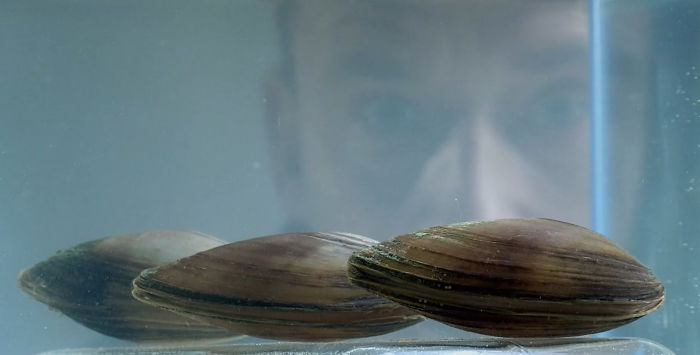
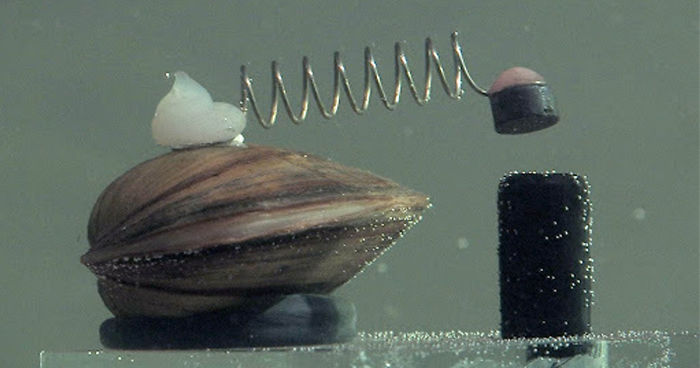
After completing their acclimatization process, clams are placed in a specially designed flow tank. They are connected to the system controller that sends data to a computer which records the degree that the clams’ shells are open all the time. If the water quality deteriorates, the clams close their shells to isolate themselves from the contaminated environment. That automatically triggers an alarm and shuts down water supply while scientists perform laboratory tests.
Scientists also determine the natural opening of their shells and then attach equipment that is connected to the system controller.
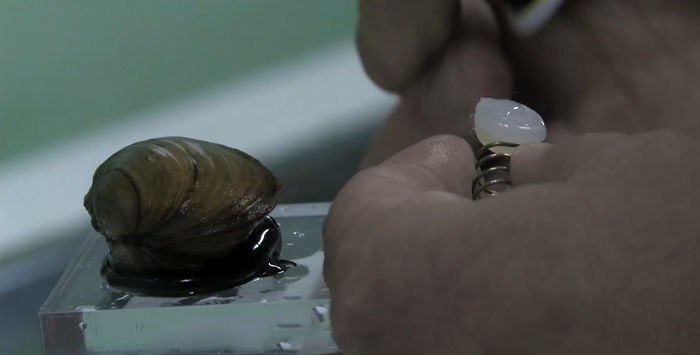
In order for the clams not to get used to the water that’s being tested, they only serve for three months. After their service is done, they are transported back to the same water they were taken from and are marked by the scientists so they don’t pick up the same clams again.
If they detect polluted water, clams immediately shut their shells, which triggers the alarm
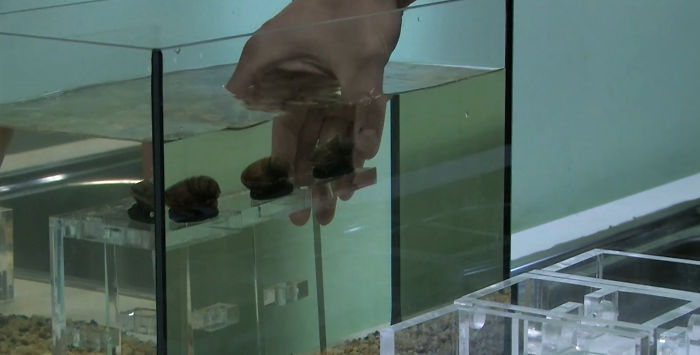
This Polish Waterworks company claims that this biomonitoring method is one of the most effective proven technologies for water quality testing. According to them, mussels monitor water quality for over 8 million people in Poland. Turns out, Minneapolis is using this method as well. Minneapolis Water Treatment and Distribution Services credit 12 mussels for keeping the water clean and safe.
Each clam in Warsaw Waterworks serves for three months, is later returned to the exact lake where it came from, and is marked so that scientists won’t pick up the same clams again
“They are filter feeders, so they are feeding off of the water that’s in there, pulling the nutrients down,” said George Kraynick of Minneapolis Water Works. “They live for up to 50 years, they are there 24/7 and they are happy in the tank, just feeding. [After they’ve served their time] most likely, we will just set them free in the river. […] They’re still young, they have a long life to lead,” he also explained. Minneapolis is currently the only city in the US that uses clams for biomonitoring.
Leave a Reply