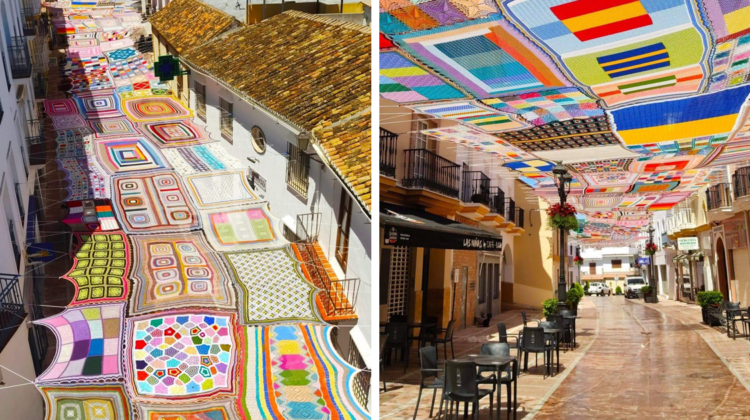
In southern Spain, where intense summer temperatures often reshape daily life, a group of local women turned a practical problem into a striking example of community creativity.
In the town of Alhaurín de la Torre in Malaga, crochet teacher Eva Pacheco and her students created a massive hand-crocheted canopy to provide shade over a central shopping street, replacing conventional plastic coverings with an artistic and more environmentally conscious alternative.
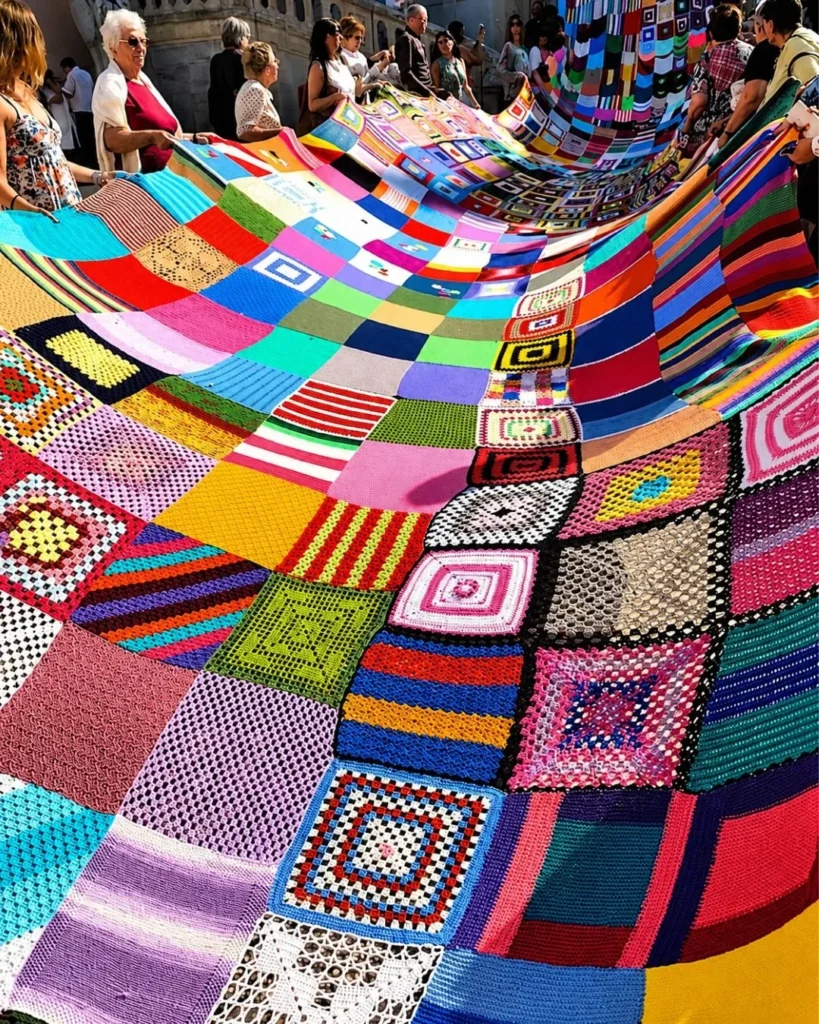
The large-scale installation, made from hundreds of crocheted squares joined together in patchwork form, spans nearly 500 square meters and now offers both sun protection and visual beauty for residents and visitors.
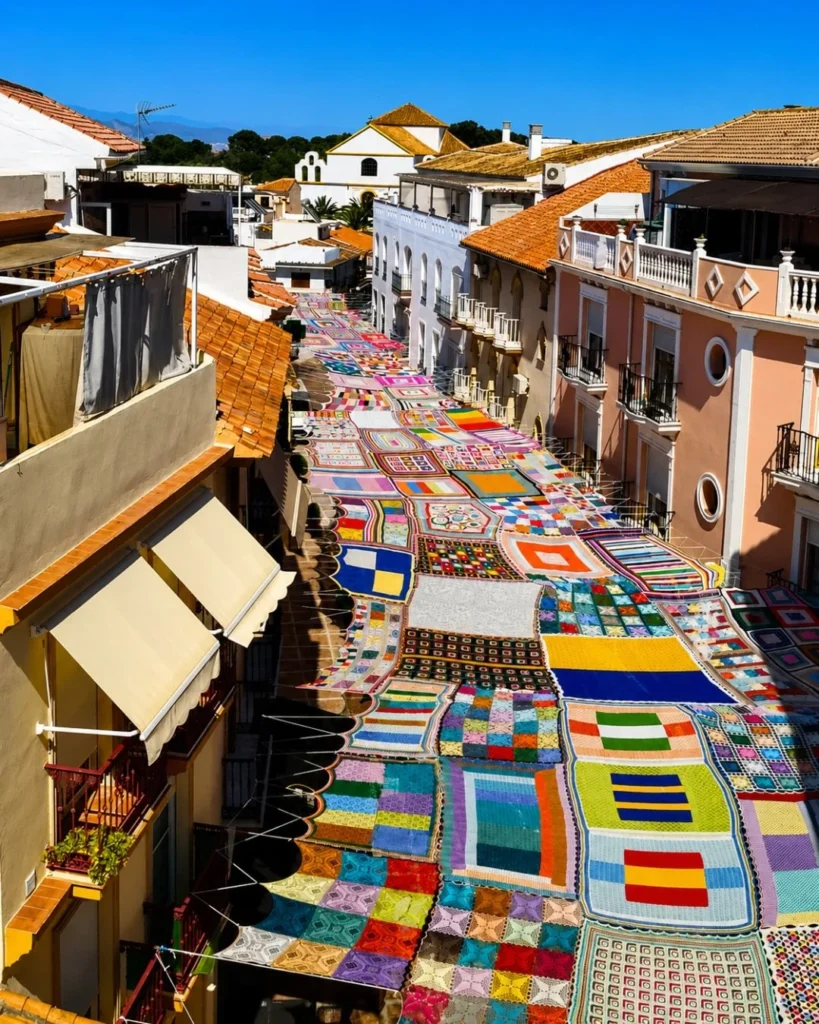
Rather than relying solely on industrial materials, the project transformed traditional needlework into urban design — combining sustainability, craftsmanship and public space improvement.
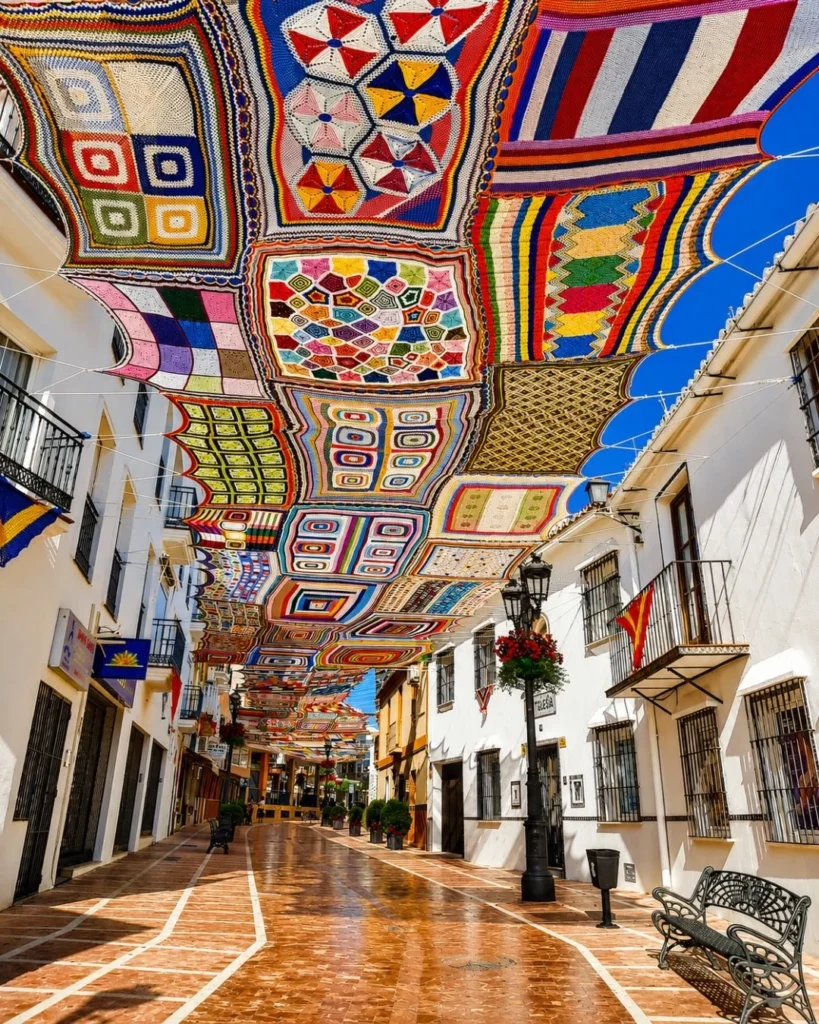
Featuring geometric designs, organic forms and vibrant colors chosen by the participants, the canopy not only shields pedestrians from the heat but also reflects local identity and collaborative effort.
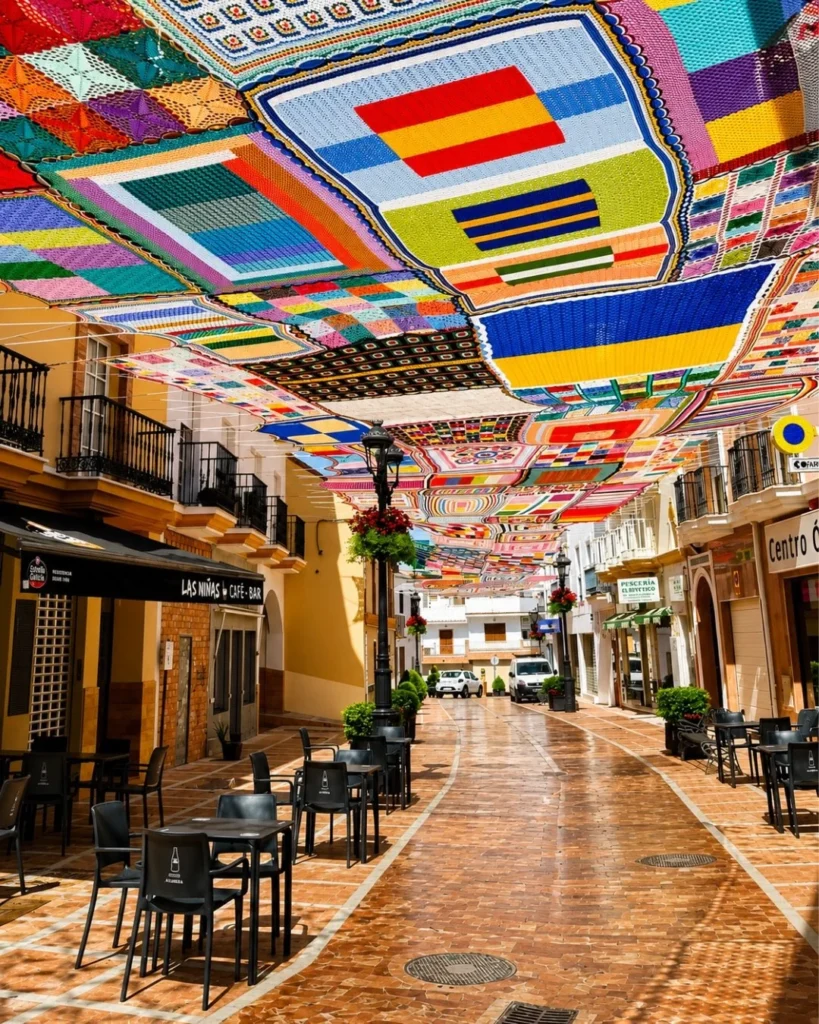
For many observers, the project stands out as an example of how traditional crafts can be reimagined in modern civic life, especially in regions facing extreme summer conditions.
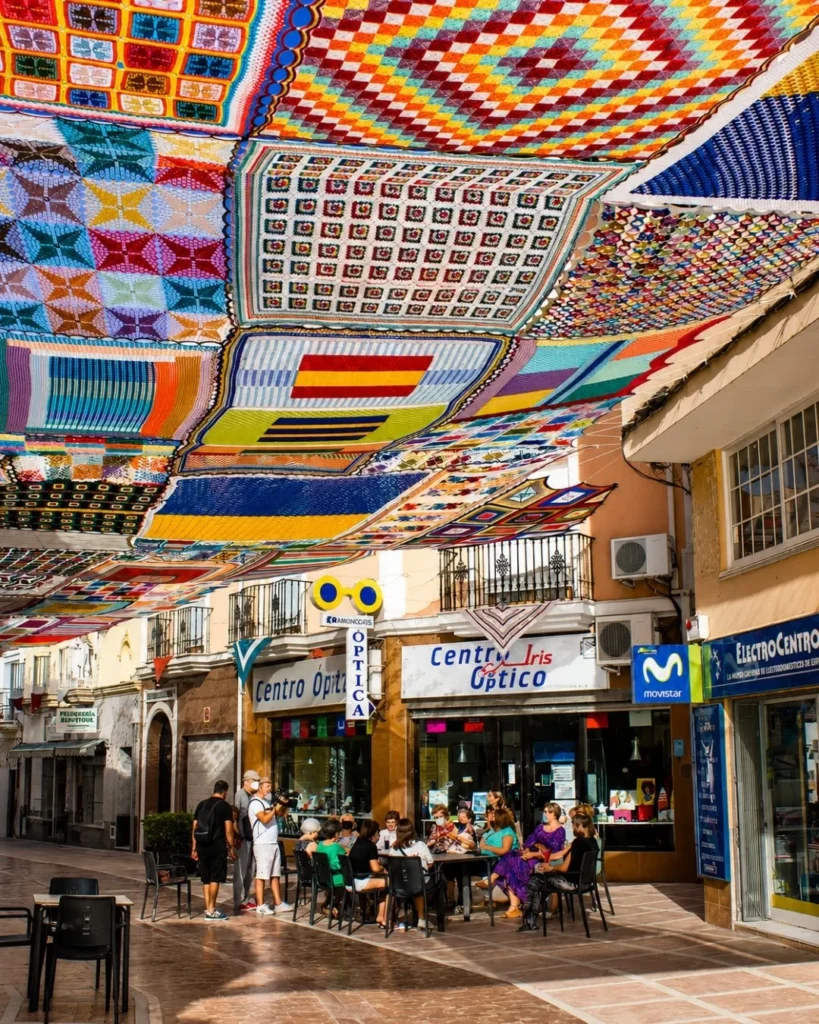
Across parts of Spain, heat adaptation has become an increasingly important part of urban planning, and initiatives like this demonstrate how grassroots creativity can contribute to sustainable cooling solutions while preserving cultural traditions.
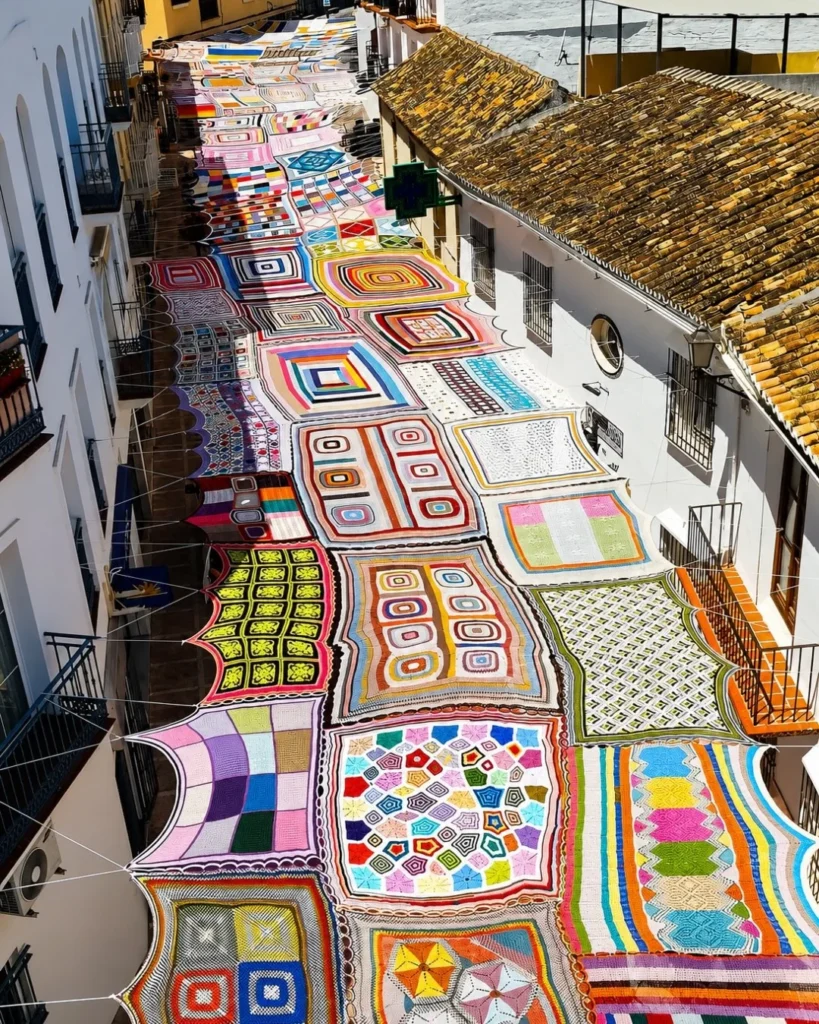
The crocheted canopy has also drawn admiration for showcasing the social value of communal art, where practical infrastructure becomes an expression of local talent rather than disposable utility.
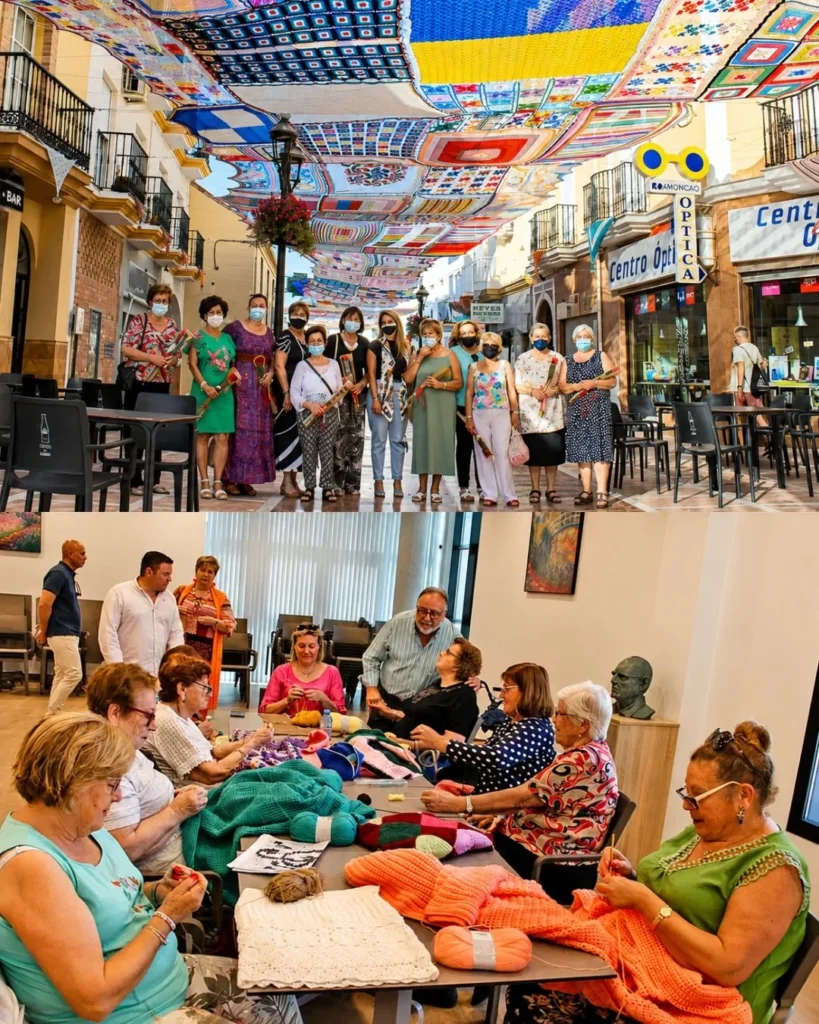
Beyond shade, the installation highlights broader conversations around eco-friendly materials, public art investment and the revival of handmade crafts in contemporary design.
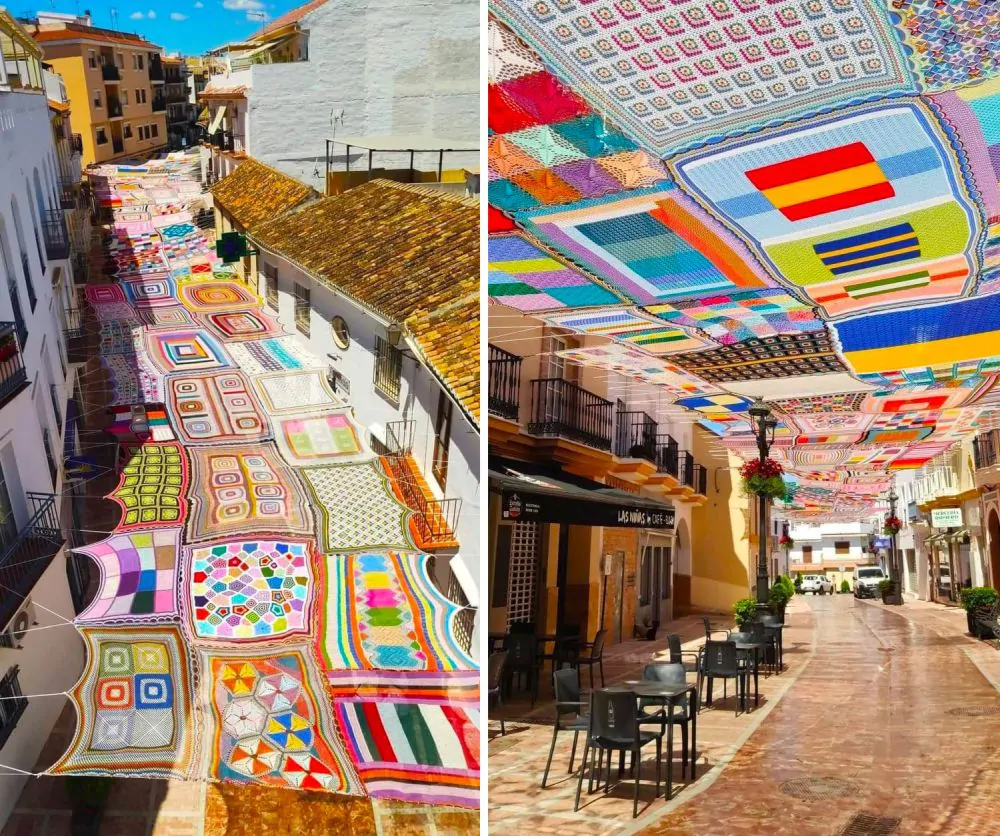
In a season often defined by heat, this project has offered something more than relief — it has provided a model for how communities can blend sustainability with beauty.
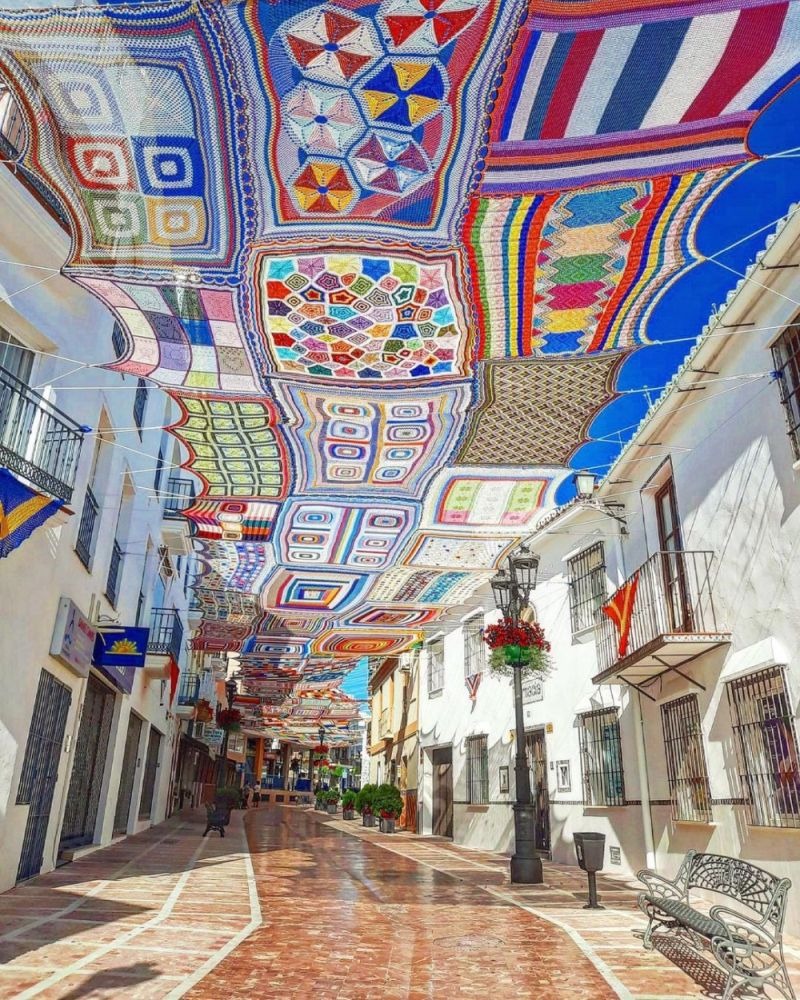
Why creative urban cooling solutions matter
As global temperatures rise, cities worldwide are increasingly exploring alternatives to heat-heavy infrastructure, including sustainable shade systems, eco-friendly architecture and community-led environmental design. Projects like this one show how local art, low-waste materials and traditional skills may play a growing role in future climate adaptation strategies.
Leave a Reply