• Skip to main content
  • Skip to primary sidebar
  • Skip to footer
  • Home
  • About Us
  • Copyright Report
  • Submit Content
  • Terms
  • Privacy Policy
  • Legal Disclaimer

Hasan Jasim

Hasan Jasim is a place where you may get entertainment, viral videos, trending material, and breaking news. For a social generation, we are the largest community on the planet.

The “Crazy Paving Cave” in New Zealand Closes So That The World’s Largest Spider Can Hang Its Baby Balls In Peace

by Hasan Jasim Editorial Team Leave a Comment

ShareTweet

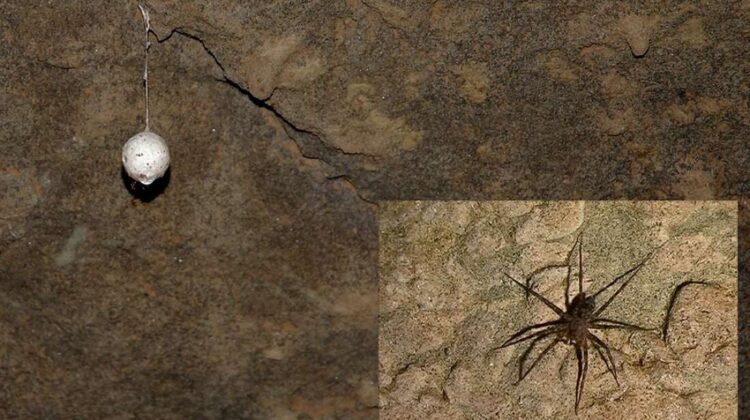
The Nelson Cave spider is the largest spider in New Zealand, and it gets its name from a cave where it lays its eggs in sacs dangling from the ceiling, each carrying roughly 50 spiderlings. However, only one such baby ball has been sighted in Nelson Cave since 2018, according to the Department of Conservation, and rangers are afraid that it could be the result of too many humans visiting their home.

Nelson Cave, also known as the “Crazy Paving Cave,” is a popular tourist destination due to its unusual floor pattern, which is the result of mud deposits drying up over time. The outcome is some rather bizarre paving, above which the eggs of Spelungula cavernicola are suspended.
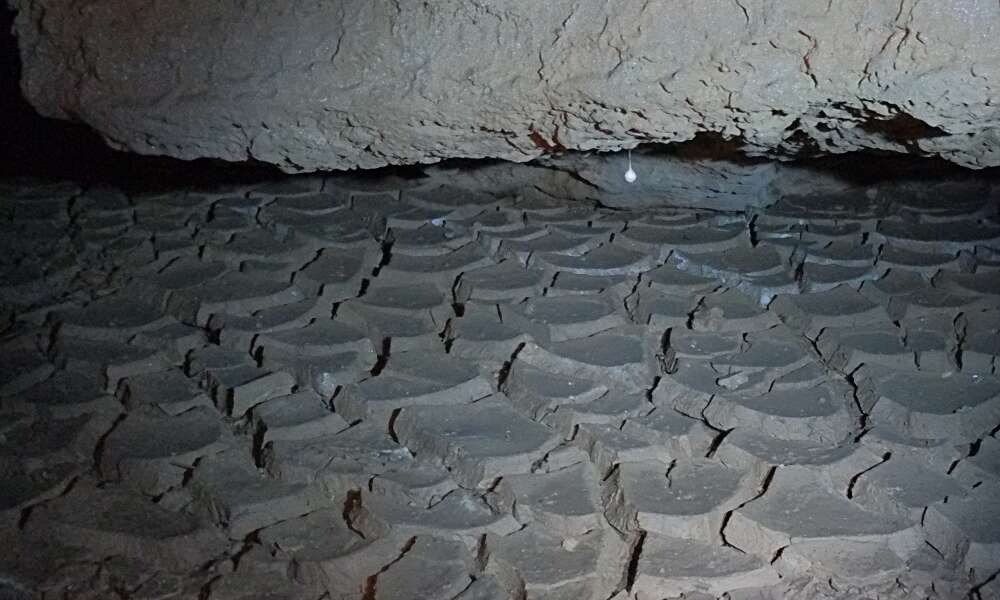
 A wee S. cavernicola egg sac hangs above the crazy paving of Nelson Cave. Image credit: Pseudopanax at English Wikipedia, Public domain, via Wikimedia Commons

Beetles and wt – enormous, flightless crickets that are some of the world’s heaviest insects and also happen to be S. cavernicola’s preferred prey – join the Nelson Cave spider in the darkness. You might think a predatory spider capable of annihilating the world’s henchest invertebrates is doing OK, but the species’ recent reproductive problems present a completely different picture.
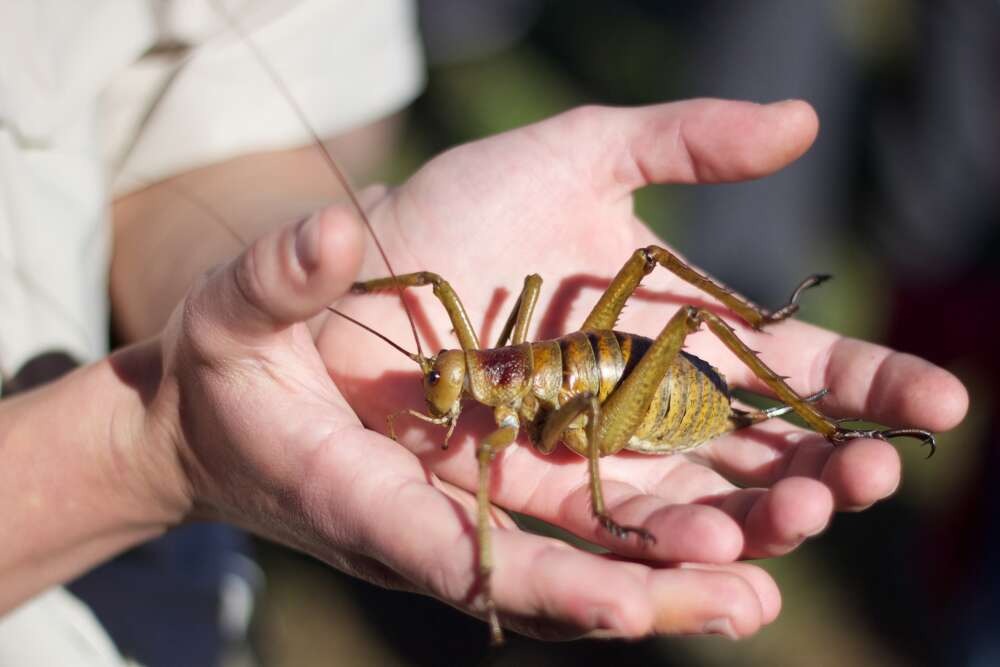
The Nelson Cave spider doesn’t believe in “light snacks”. Image credit: Dinobass, CC BY-SA 4.0, via Wikimedia Commons

In a statement, Department of Conservation senior biodiversity ranger Scott Freeman noted, “The number of spiders sighted has actually increased from around 2019 onwards, probably due to a fall in visitor numbers related with COVID.”

“However, since 2018, only one egg sac has been seen.”
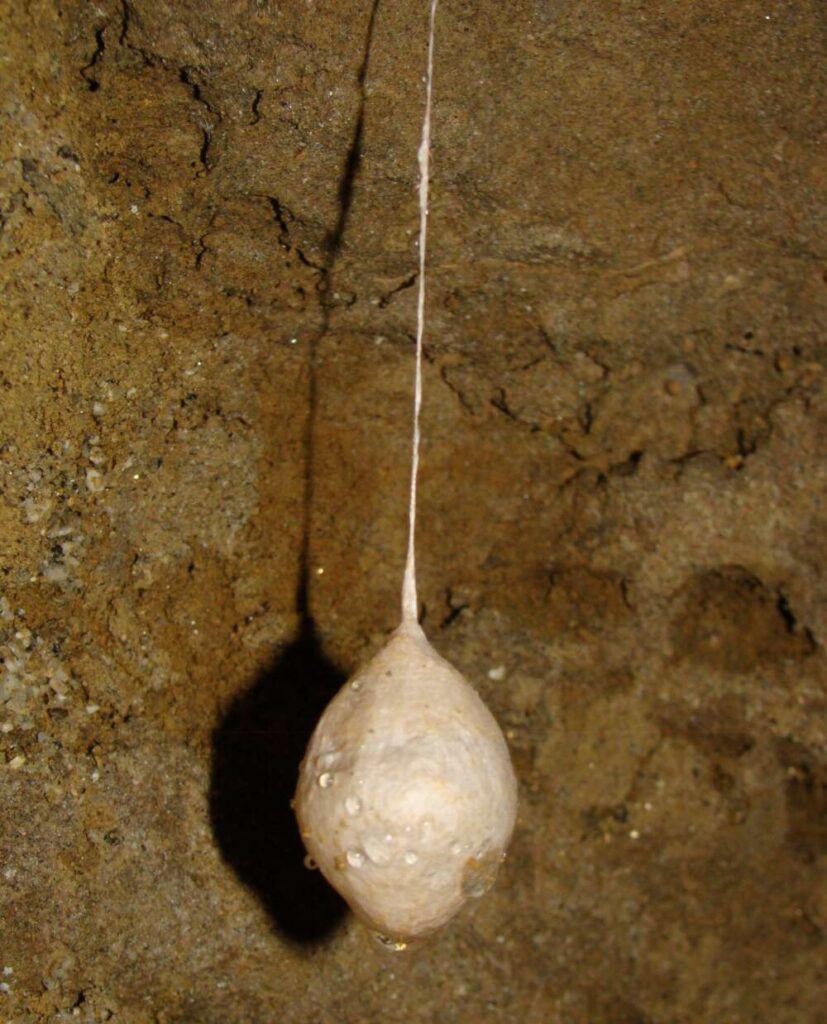
Just one of these babies can pack around 50 S. cavernicola spiderlings. Image credit: © Lisa Bennett, CC BY 4.0, via iNaturalist

Because the huge spiders of the Crazy Paving Cave are the only species of the Spelungula genus – which is far too fun to say – New Zealand is taking steps to conserve the country’s largest arachnids.

“Breeding is the long-term driver of the population,” Freeman added, “therefore we want to close the cave to see if this will allow breeding to improve.” “By closing the cave, we’ll be able to track how the spider population reacts to the loss of human visitors.”
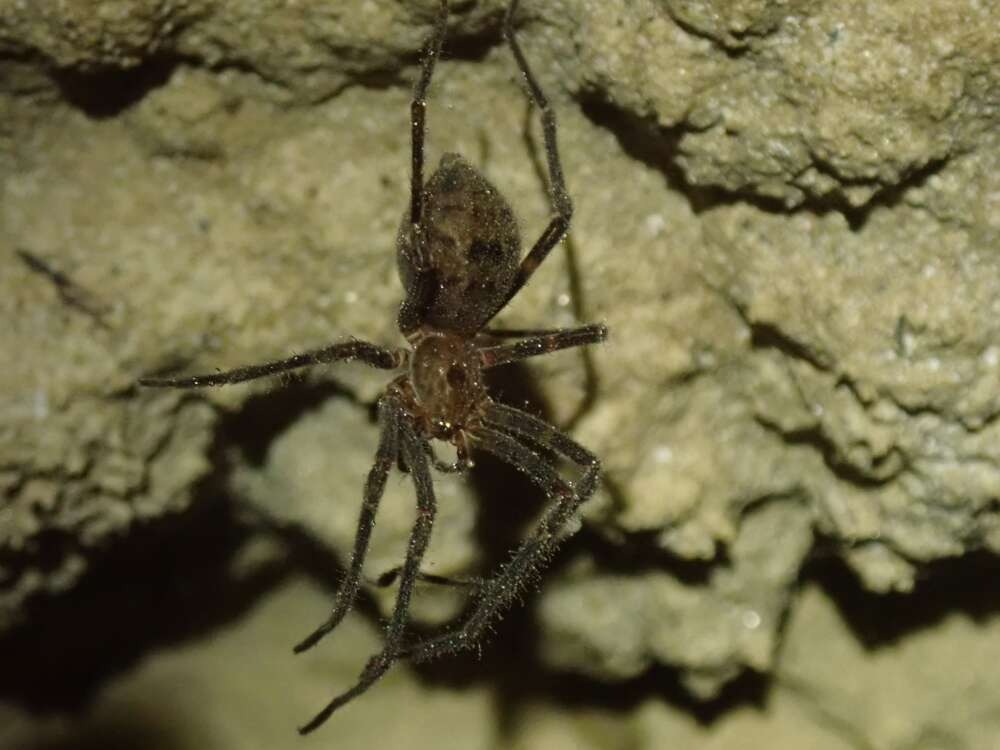
Nelson Cave belongs to S. cavernicola, now. Image credit: © Melissa Hutchison, CC BY-NC-ND, via iNaturalist 

Nelson Cave spiders, in addition to being huge arachnids, are regarded to be a missing link connecting Gondwana’s primordial spiders – from which S. cavernicola arose 350 million years ago, giving rise to today’s spiders. Because of this outstanding claim, they’ve become the only spider species protected under New Zealand’s 1953 Wildlife Act, and since they’ve been here a lot longer than we have, it’s only fair that they get to claim at least one cave.
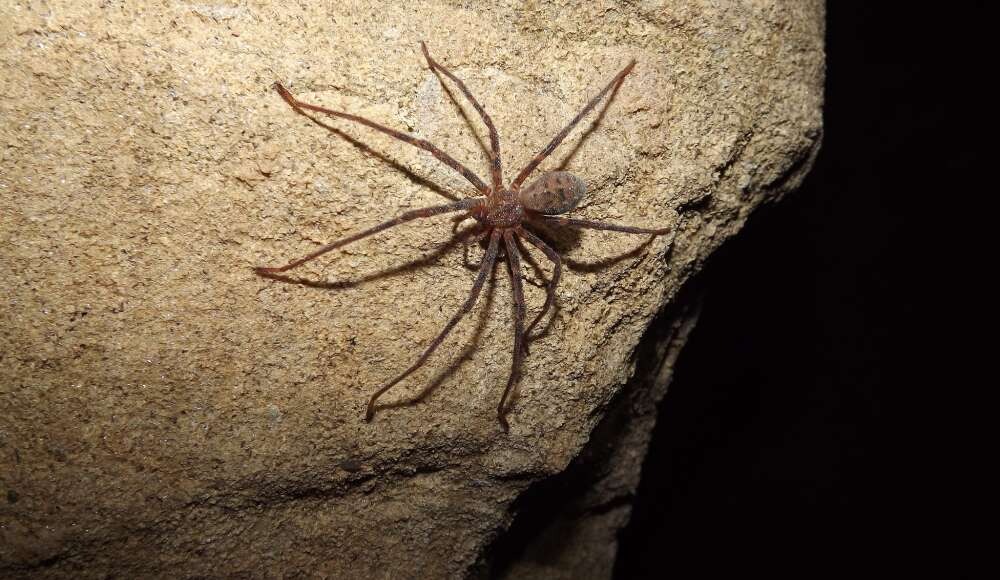
As the only species in the Spelungula genus, S. cavernicola is pretty special. Image credit: © Ivan Magalhaes, CC BY-NC 4.0, via iNaturalist

If you like spiders in all their lanky, eggy glory, sometimes the best thing you can do is leave them alone. As a result, S. cavernicola has taken over the Crazy Paving Cave for the next 12 months, and we wish it luck with its baby-ball explosion.

[H/T: RNZ]

Filed Under: Trends Worldwide Tagged With: “crazy, baby, balls, cave, closes, hang, largest, paving, peace, spider, that, trends, worlds, worldwide, zealand

Reader Interactions

Leave a Reply Cancel reply

Your email address will not be published. Required fields are marked *

Primary Sidebar

More to See

Underwater Camera Captures Tiger Shark Eating and Shows What It’s Like to Be Eaten

By Hasan Jasim Editorial Team

The Final Guardians of a Species: Najin, Fatu, and the Fight to Save Northern White Rhinos

By Hasan Jasim Editorial Team

These Ants Use The Skulls Of Their Adversaries As Decorations For Their Houses

By Hasan Jasim Editorial Team

Who is Hussain?

By Hasan Jasim Editorial Team

Spotted These Strange Underwater Orbs? Leave Them Be!

By Hasan Jasim Editorial Team

Stray Cat Brings All Her Babies To Meet The Woman Who Helped Her

By Hasan Jasim Editorial Team

A Dance of Death and Devotion: The Stork’s Hunt

By Hasan Jasim Editorial Team

Footer

About hasanjasim.online

Hasanjasim.online is a digital platform dedicated to publishing diverse articles and content, with a strong focus on topics related to the animal kingdom, nature, and the environment. The website offers engaging stories and visual content aimed at raising awareness about animal welfare and showcasing the wonders of the natural world, making it a great destination for nature lovers and curious readers alike.

Recent

  • Alabama Man Convicted of Aggravated Animal Cruelty in Death of Beloved Dog Jack
  • How a 7.8 Earthquake in Mindanao Lifted the Seafloor and Exposed a Hidden Coastline
  • Scientists Are Warning Influencers to Stop Chasing Shark Selfies After a String of Attacks
  • The 10-Year-Old Whose Backyard Butterfly Experiment Caught a Georgetown Scientist’s Attention
  • When Her Nonverbal Son’s Communication Device Died at Dinner, This Mom Found a Backup That Never Runs Out of Battery
  • Lamb’s Quarters: The Wild “Weed” That Outperforms Spinach in Nutrition
  • A Restaurant Put Up One Simple Sign for Its Teenage Staff — and It Says Everything We Forget to Say

Search