• Skip to main content
  • Skip to primary sidebar
  • Skip to footer
  • Home
  • About Us
  • Copyright Report
  • Submit Content
  • Terms
  • Privacy Policy
  • Legal Disclaimer

Hasan Jasim

Hasan Jasim is a place where you may get entertainment, viral videos, trending material, and breaking news. For a social generation, we are the largest community on the planet.

The Panda Ant: Cute but Deadly? Unraveling the Truth Behind This Misunderstood Creature

by Hasan Jasim Editorial Team Leave a Comment

ShareTweet

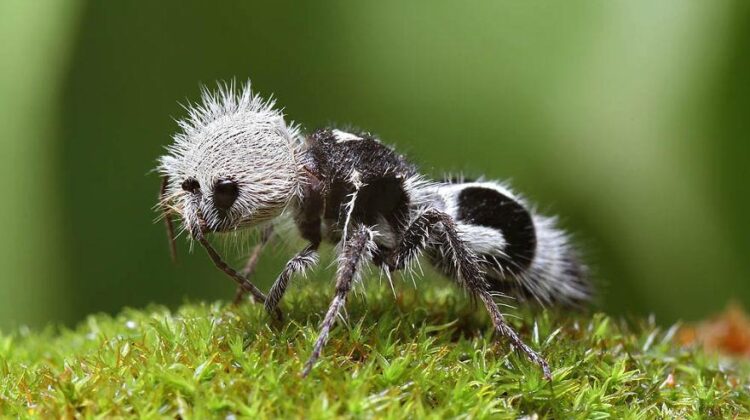
The internet is awash with images of the “Panda Ant,” a creature that undeniably evokes cuteness with its black and white markings. However, this endearing appearance belies a dangerous reality. The Panda Ant is not an ant at all, but a wingless wasp with one of the most excruciating stings known to humans. This article delves into the fascinating world of this misunderstood creature, exploring its unique characteristics, behavior, and the importance of respecting its place in the ecosystem.

The Panda Ant: A Misnomer

Despite its name, the Panda Ant belongs to the Mutillidae family, a diverse group of wasps commonly known as “velvet ants” due to their dense, velvety fur. These wasps are highly specialized, with females lacking wings and often resembling ants in appearance. This convergent evolution, where unrelated organisms independently evolve similar traits, has led to widespread confusion.
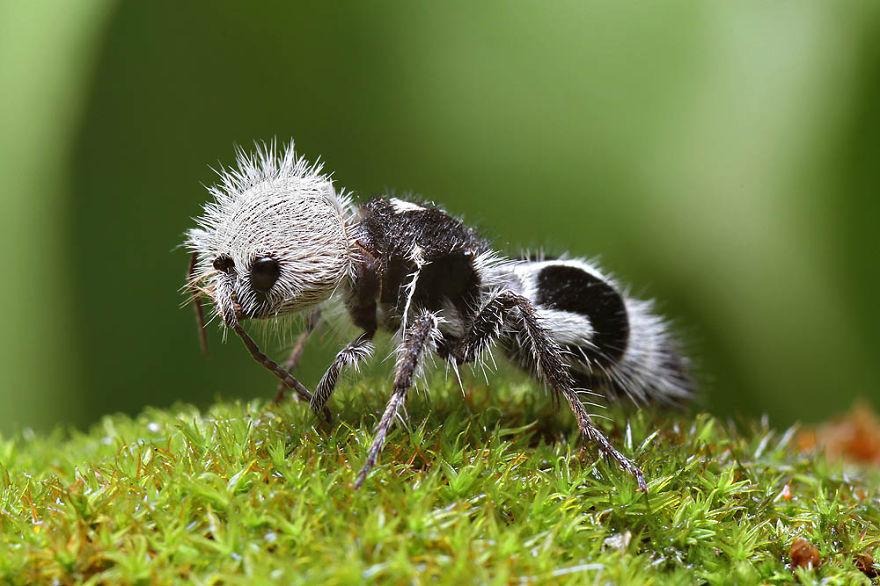
Source: Chris Lukhaup

Aposematism: Warning Colors

The striking black and white coloration of the Panda Ant serves as a powerful warning to potential predators. This phenomenon, known as aposematism, signals to other animals that the creature is dangerous or unpleasant to taste. The vibrant colors act as a visual deterrent, reducing the likelihood of attacks.

The Sting: A Force to Be Reckoned With

While the Panda Ant may not be the most venomous creature on Earth, its sting is undeniably potent. It ranks high on the Schmidt Sting Pain Index, a subjective scale that measures the relative pain intensity of insect stings. Victims often describe the sting as excruciatingly painful, with symptoms that can linger for hours or even days.

Source: photomonde.fr

Solitary Life and Parasitic Behavior

Unlike social ants that live in colonies, Panda Ants are solitary creatures. Females typically spend their lives searching for suitable hosts for their offspring. They are parasitic, laying their eggs on or near the nests of other ground-nesting insects, such as bees or beetles. The Panda Ant larvae then consume the host larvae or pupae as a food source.

Habitat and Distribution

These fascinating wasps are primarily found in South America, particularly in Chile and Argentina. They inhabit a variety of environments, including grasslands, deserts, and scrublands. While their presence may be concerning to some, Panda Ants play a crucial role in maintaining the ecological balance of their respective habitats.
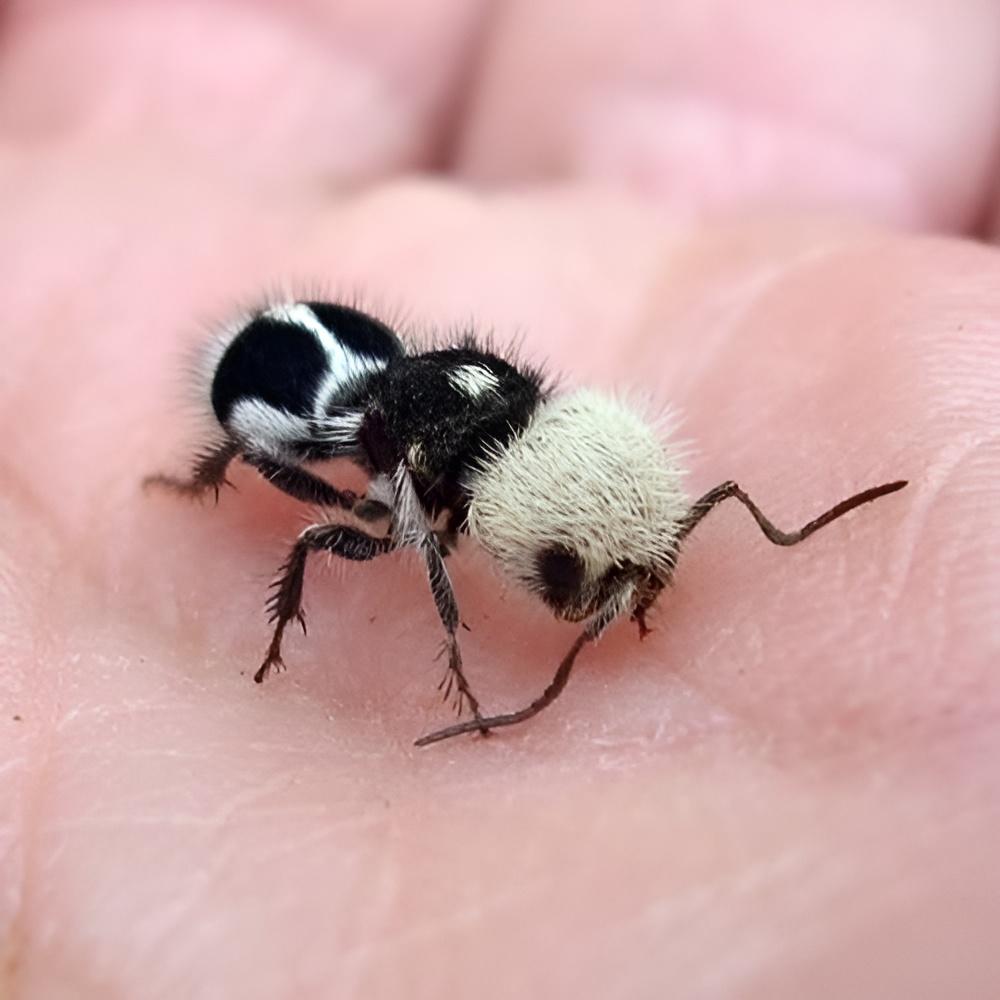
The “Panda Ant” is actually a wingless wasp with a painful and powerful sting.

Conservation Concerns

Habitat loss due to human activities, such as agriculture and urbanization, poses a significant threat to Panda Ant populations. Conservation efforts are crucial to ensure the long-term survival of these unique creatures.

The Panda Ant, despite its charming appearance, is a creature to be respected. Its potent sting serves as a reminder that even the smallest creatures can possess formidable defenses. By understanding the unique characteristics and ecological role of the Panda Ant, we can appreciate the intricate web of life and work towards its conservation.

Filed Under: Trends Worldwide Tagged With: Aposematism, argentina, chile, Chilean Wildlife, Cow Killer Ant, insect behavior, Painful Sting, Panda Ant, Panda Wasp, Parasitic Wasp, Parasitic Wasps, Solitary Wasp, South American Insects, Sting Pain Index, Unique insects, wildlife conservation

Reader Interactions

Leave a Reply Cancel reply

Your email address will not be published. Required fields are marked *

Primary Sidebar

More to See

Cat suffers from rare condition that makes them gain insane muscle mass

By Hasan Jasim Editorial Team

A Photographer Drove 900 Miles to Capture a Bizarre Orange Snowy Owl — Then Scientists Figured Out Why

By Hasan Jasim Editorial Team

Sea lions exhibit remarkable prowess while surfing giant waves

By Hasan Jasim Editorial Team

Monkey Rescue Baby Can’t Wait To Meet His New Parents

By Hasan Jasim Editorial Team

28 retired police and military dogs were found living in filth and neglect — now looking for homes

By Hasan Jasim Editorial Team

Degraded Quality of Olympic Bronze Medal Just One Week After Paris Olympics 2024

By Hasan Jasim Editorial Team

Are 10th board cancelled forever?

By Hasan Jasim Editorial Team

Footer

ABOUT HASANJASIM.ONLINE

Hasanjasim.online is a digital platform dedicated to publishing well-researched articles about the animal kingdom, nature, and the environment. Our editorial team works to source stories from credible outlets, scientific research, and verified reports, aiming to inform as much as we entertain. From wildlife conservation and animal behavior to natural wonders and environmental science, we cover the topics that help readers better understand and appreciate the natural world. Whether you're a lifelong nature lover or simply curious about the planet we share, Hasanjasim.online aims to be a trustworthy destination for stories worth reading — and worth citing.

Recent

  • Scientists Found Ancient Americans Living Where No Humans Should Have Been
  • This African Bird Wears Sunflowers Around Its Eyes — Meet the White-Crested Helmetshrike
  • 25 Animals You’ve Probably Never Heard Of — From a Cuban Land Snail to a Marsupial That Mates Itself to Death
  • Woman finds cow’s tooth in takeout taco. The chain says it can happen
  • Healthy Senior Dog Spared After Family Asked Veterinarians to Euthanize Her, Georgia Rescue Says
  • How People Around the World Write Laughter Online
  • The Disturbing Story Behind This Award-Winning Photojournalism Image

Search