• Skip to main content
  • Skip to primary sidebar
  • Skip to footer
  • Home
  • About Us
  • Copyright Report
  • Submit Content
  • Terms
  • Privacy Policy
  • Legal Disclaimer

Hasan Jasim

Hasan Jasim is a place where you may get entertainment, viral videos, trending material, and breaking news. For a social generation, we are the largest community on the planet.

The Strange and Spectacular Devil’s Fingers Fungus: A Guide to the Octopus Stinkhorn

by Hasan Jasim Editorial Team Leave a Comment

ShareTweet

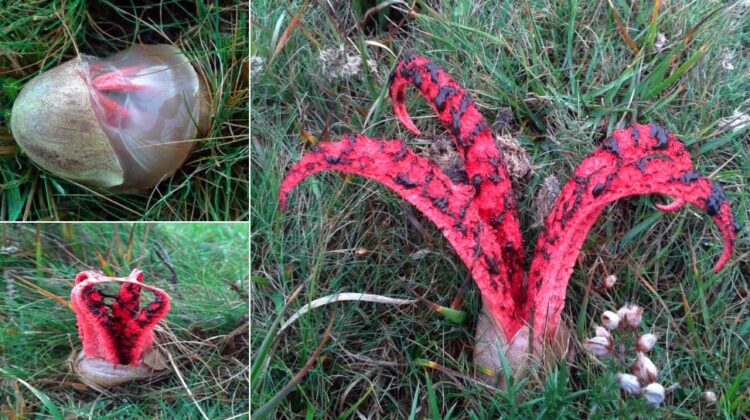
As autumn arrives, the emergence of fungi from tree stumps and woodland floors brings about a spectacle of colors and shapes. One species of fungus that stands out is the devil’s fingers fungus, also known as Clathrus archeri, the octopus stinkhorn, or the Squidward mushroom.
Found between July and October in just a few southern localities in the UK, this spectacular species of fungus favors moist, shaded areas of wood chips, leaf litter, and rough grassland. It is a member of the stinkhorn family but looks nothing like our native stinkhorns when mature.

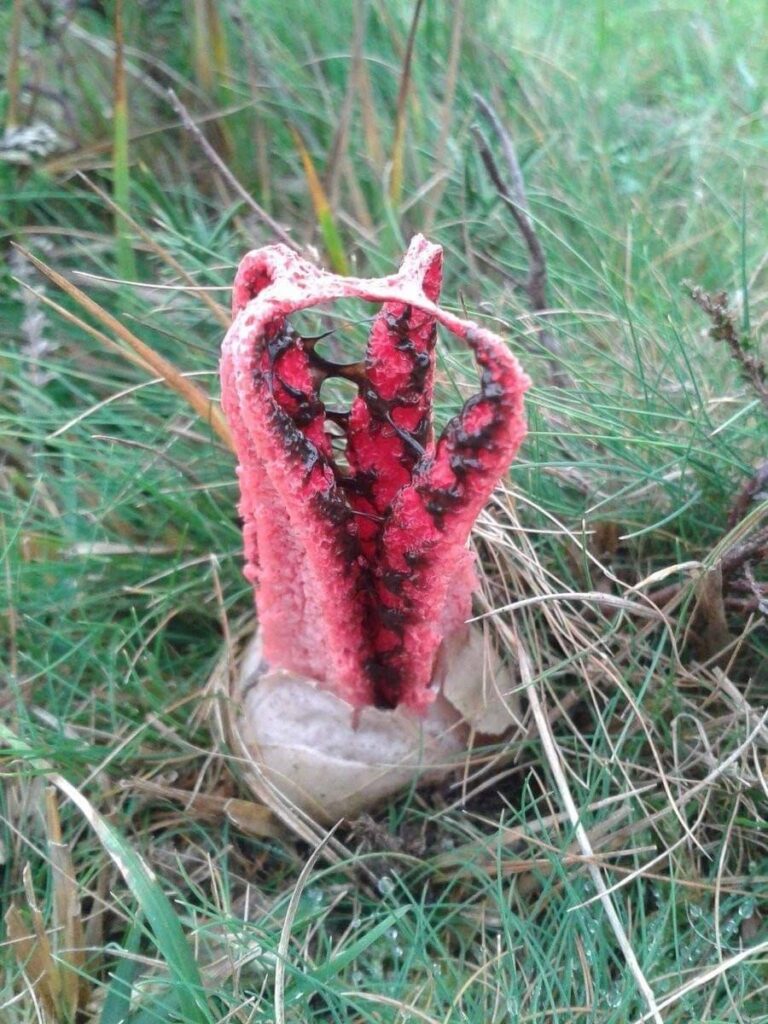
Devil’s fingers can reach up to 15cm tall when its red-clasped branches first emerge, before they open and arch back to the ground. The inside surface of each of these 4-8 branches is lacy and coated in a dark, sticky goo, which looks rather like clotting blood. This substance is called gleba, and it contains the spores for reproduction.
Most fungi rely on wind or rain splash for dispersing spores, but stinkhorns have developed an animal dispersal system whereby the gleba emits a pungent, rotting odor that attracts insects such as bluebottle flies. The spores are carried away on their legs to colonize new sites.

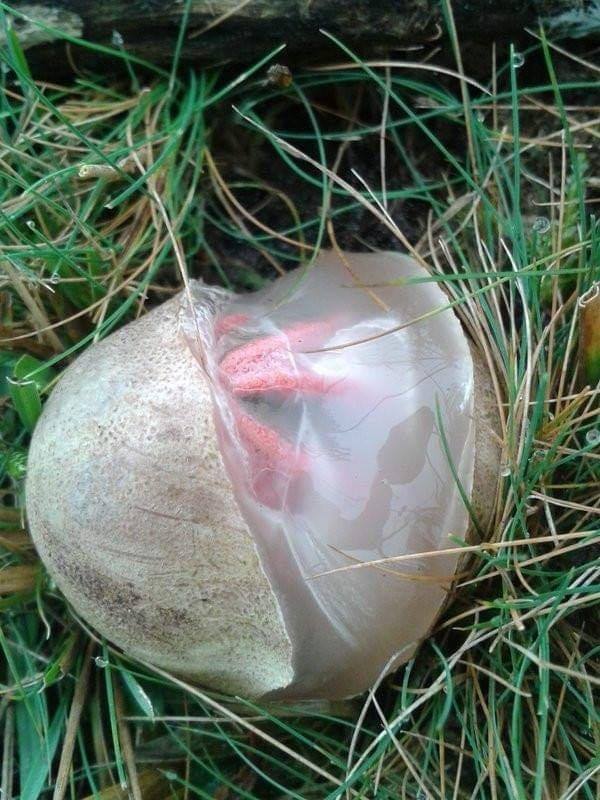
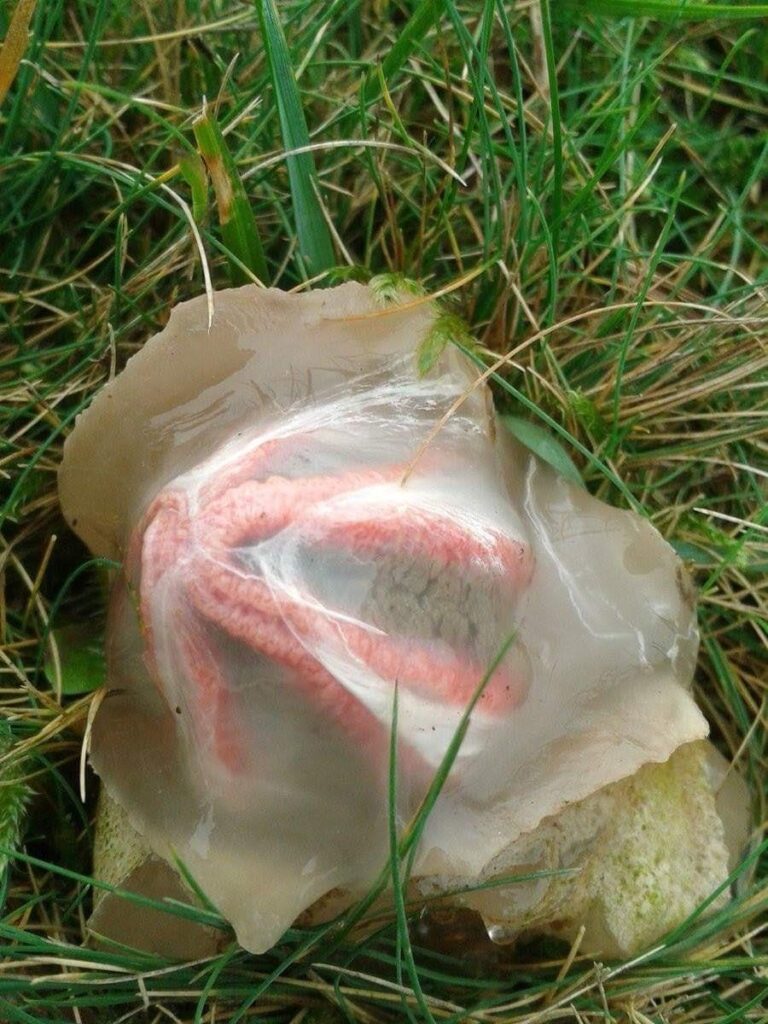
This fungus does not aim to endear, so it won’t surprise you to learn that it emerges from the soil in a sinister fashion. When ready to “fruit,” the fungus network stretches up to the soil surface and develops into a translucent, gelatinous, egg-shaped structure with the fingers forming inside. When ready to release the spores, the fingers “hatch” slowly out of the egg in a bunch before unfurling back on themselves into the octopus-like form.
The immature egg stage of the fungus is technically edible, though a mycologist who tried it described its flavor and texture as disagreeable. The tentacles are not recommended for consumption.

Devil’s fingers is alien in more than one sense of the word – in description, but also in distribution. It does not belong in the UK, having spread to many other countries in the world from its native Australia and New Zealand through contaminated nursery stock and in plant products.
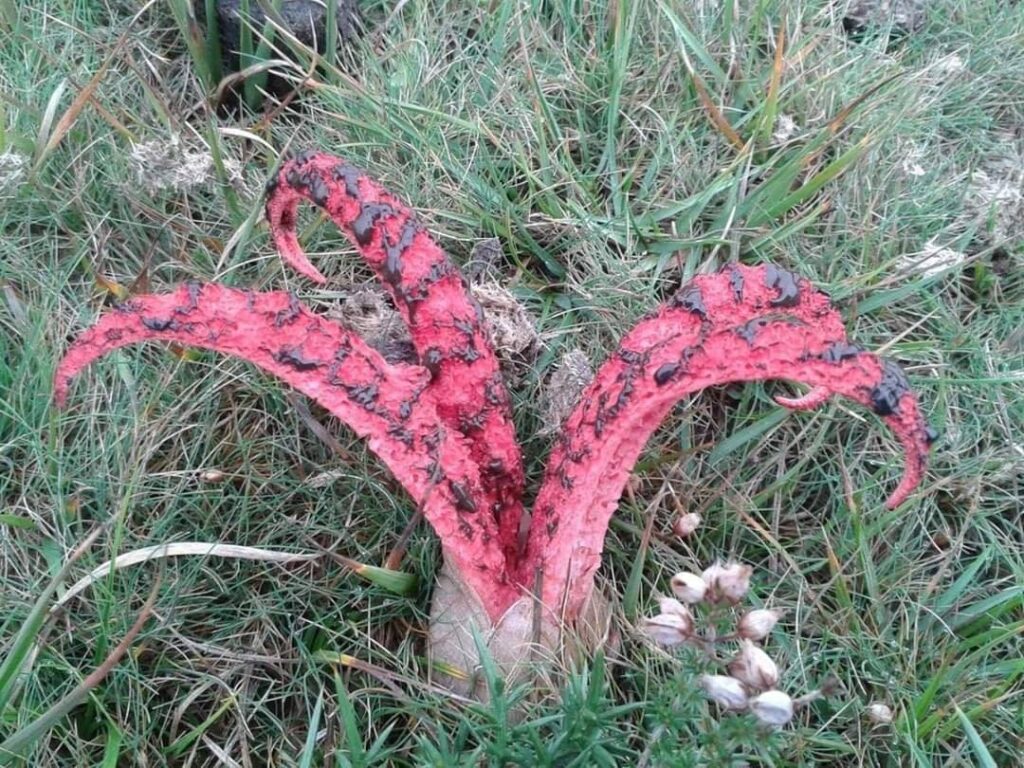
It is thought to have arrived in Europe with war supplies such as wood and wool in the early 1900s and can be reliably found in certain hotspots in the New Forest in Hampshire, where military bases were established in the 1940s.
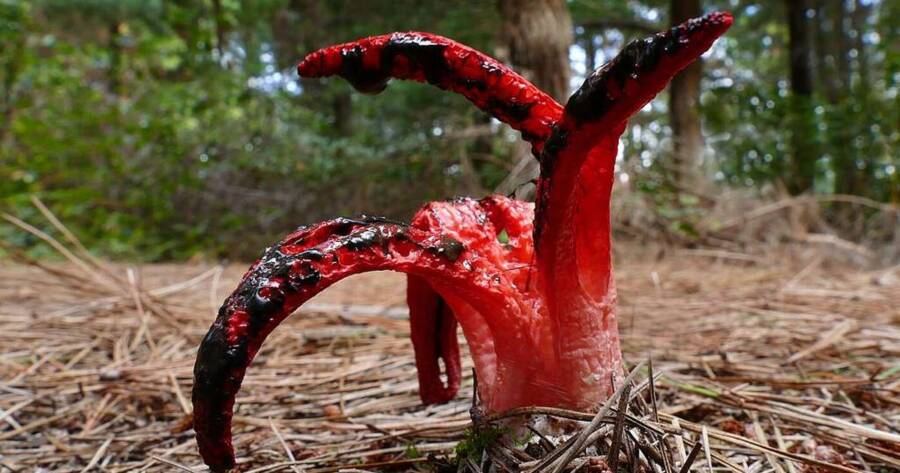
All in all, this species is a fascinating and otherworldly addition to our native fungi. If your usual haunted castle tour or fright night is canceled this year, why not take a walk through the New Forest this Halloween and witness the eerie beauty of the devil’s fingers fungus?

Filed Under: Trends Worldwide Tagged With: “fingers”, devil’s, fungus, guide, Octopus, spectacular, stinkhorn, strange, trends, worldwide

Reader Interactions

Leave a Reply Cancel reply

Your email address will not be published. Required fields are marked *

Primary Sidebar

More to See

Why Human Remains Have Never Been Found Inside The Titanic Shipwreck

By Hasan Jasim Editorial Team

These are the three smallest bones in the human body

By Hasan Jasim Editorial Team

Witness the Majesty: Discover Perito Moreno Glacier, Argentina’s Natural Wonder

By Hasan Jasim Editorial Team

For the First Time, Octopuses, Squid, and Lobsters Are Recognized As Sentient Beings

By Hasan Jasim Editorial Team

Chilling Last Words of a Trainer Killed by Killer Whales

By Hasan Jasim Editorial Team

Adorable Lab puppy starts duty as police department’s first-ever comfort dog

By Hasan Jasim Editorial Team

If you spot these eggs in your backyard, you had better know what it means

By Hasan Jasim Editorial Team

Footer

ABOUT HASANJASIM.ONLINE

Hasanjasim.online is a digital platform dedicated to publishing well-researched articles about the animal kingdom, nature, and the environment. Our editorial team works to source stories from credible outlets, scientific research, and verified reports, aiming to inform as much as we entertain. From wildlife conservation and animal behavior to natural wonders and environmental science, we cover the topics that help readers better understand and appreciate the natural world. Whether you're a lifelong nature lover or simply curious about the planet we share, Hasanjasim.online aims to be a trustworthy destination for stories worth reading — and worth citing.

Recent

  • Euphorbia Hirta (“Asthma-Plant”): What Traditional Use and Real Research Actually Show
  • A Mystery Animal Has Been Randomly Attacking People in New Hampshire — Here’s What We Know
  • A Woman Was Filmed Sharing Her Ice Cream With Her Dog — Here’s What Vets Actually Say About It
  • Dolphin Calf Incident in Ceuta Sparks Outrage After Disturbing Beach Footage Emerges
  • Lactuca Serriola Root: Traditional Uses of Prickly Lettuce (Wild Lettuce) Root
  • The Puppy a Firefighter Couldn’t Leave Behind — and the Story Didn’t End There
  • A Mother Dog Dove Into Floodwater Again and Again — Until All 7 of Her Puppies Were Safe

Search