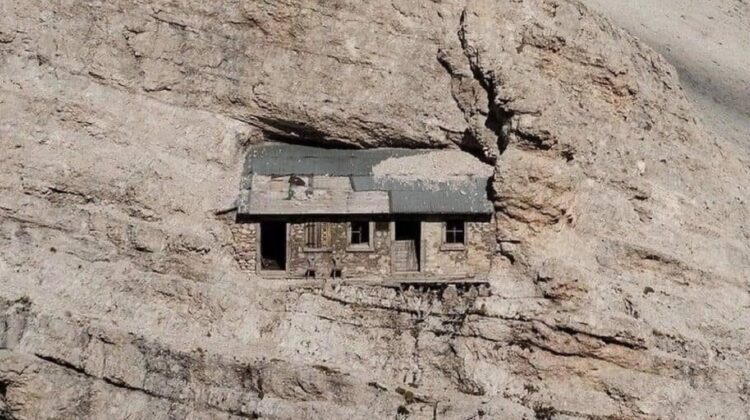
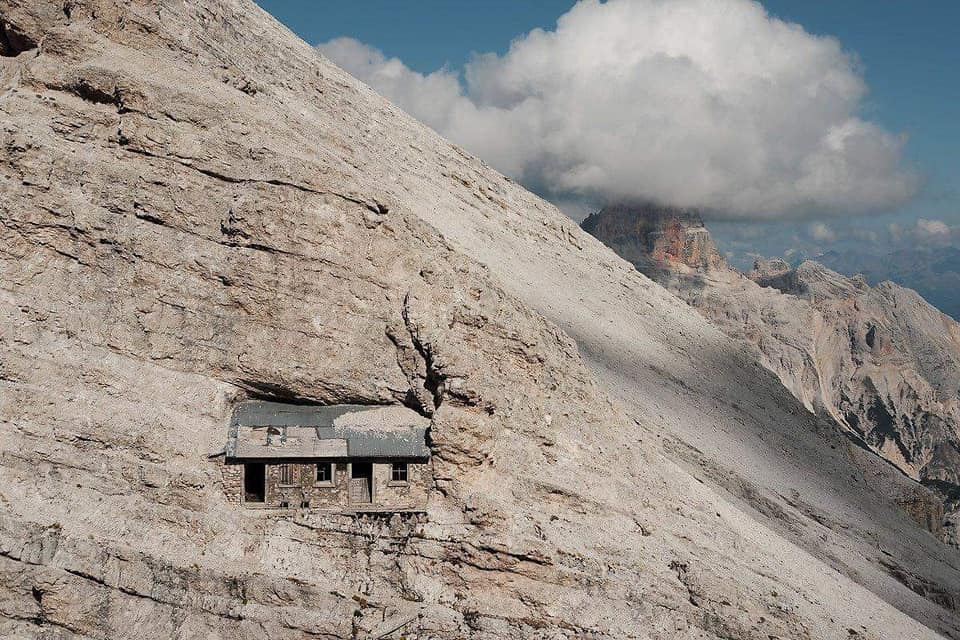
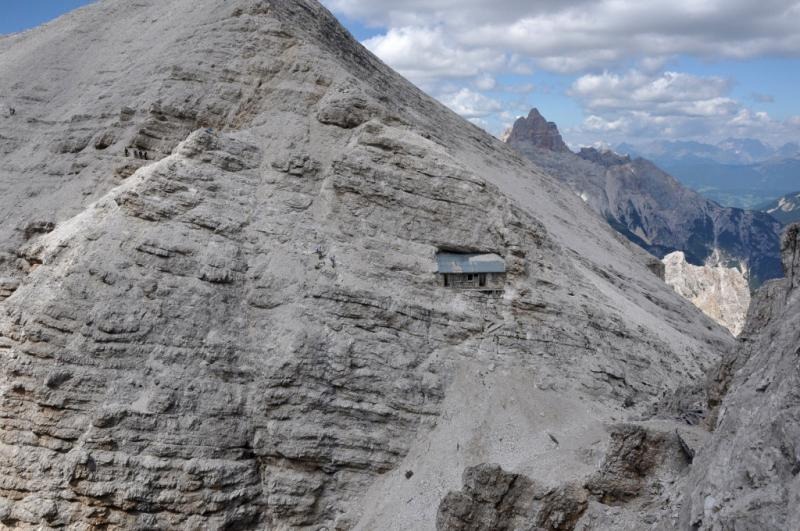
High on the vertical rock faces of Monte Cristallo, in Italy’s Ampezzo Dolomites, sits one of the most improbable buildings in the Alps: a small stone-and-timber shelter wedged directly into the cliff at roughly 2,760 meters (about 9,050 feet). Known today as the Buffa di Perrero bivouac, it dates back to World War I, when Italian and Austro-Hungarian troops fought one another across this same mountain range in what became known as the “White War.”
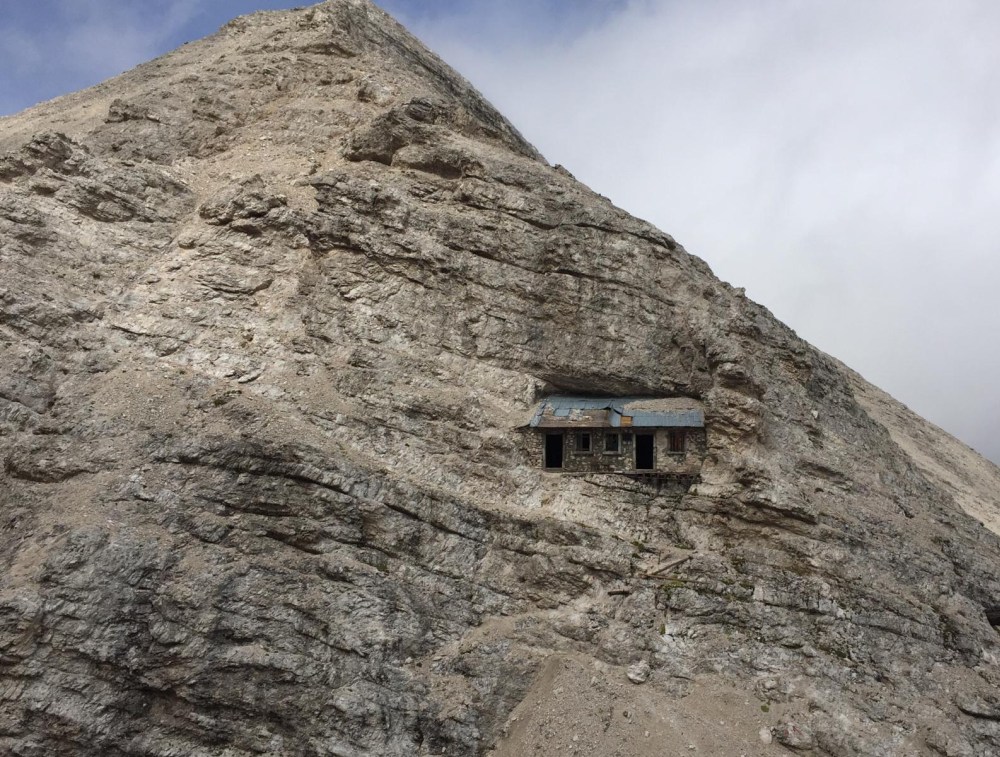
It’s the kind of structure that looks almost impossible in photos — a roofline and a pair of small windows seemingly glued to a sheer rock wall, with no road, no path, and no visible way up. That impossibility is exactly why it keeps circulating online, and also why it keeps getting mislabeled.
A Front Line Carved Into Rock
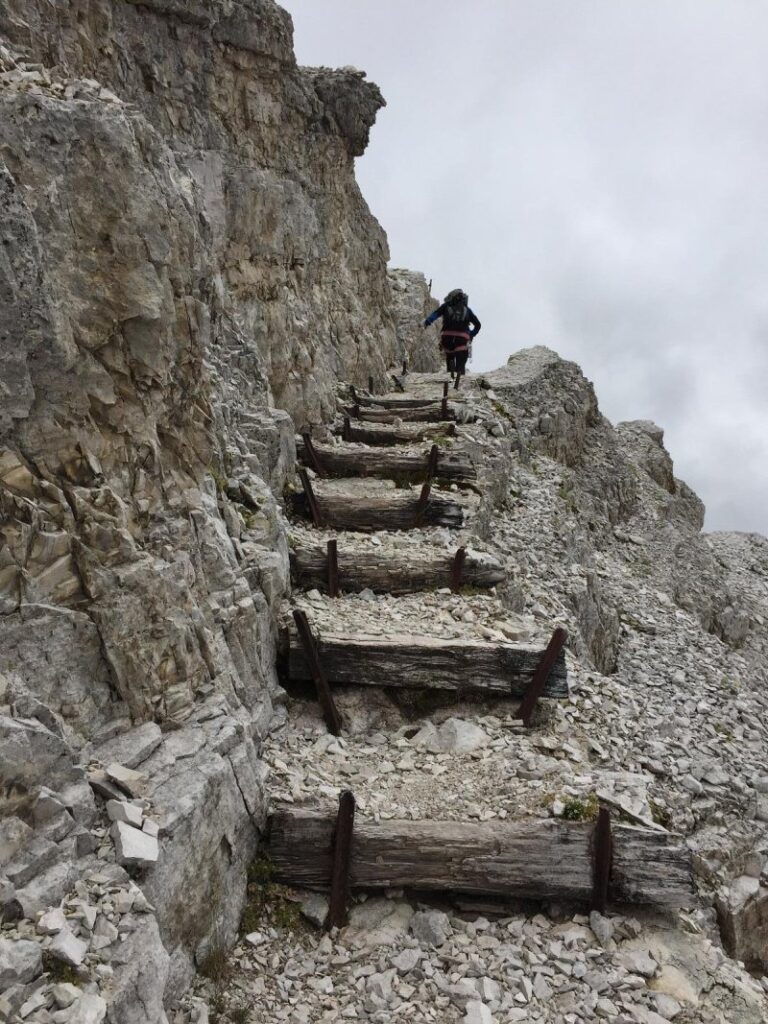
Between 1915 and 1918, the peaks of the Dolomites became a battlefield unlike almost any other in the war. Soldiers on both sides installed artillery on ridgelines, dug tunnels through solid rock, and in some cases detonated explosives beneath enemy positions to trigger avalanches — tactics that killed thousands of men who never fired a shot in a conventional sense. Hikers today can still walk through some of these mined galleries along the Via Ferrata Ivano Dibona, one of the protected climbing routes that trace the old front line.
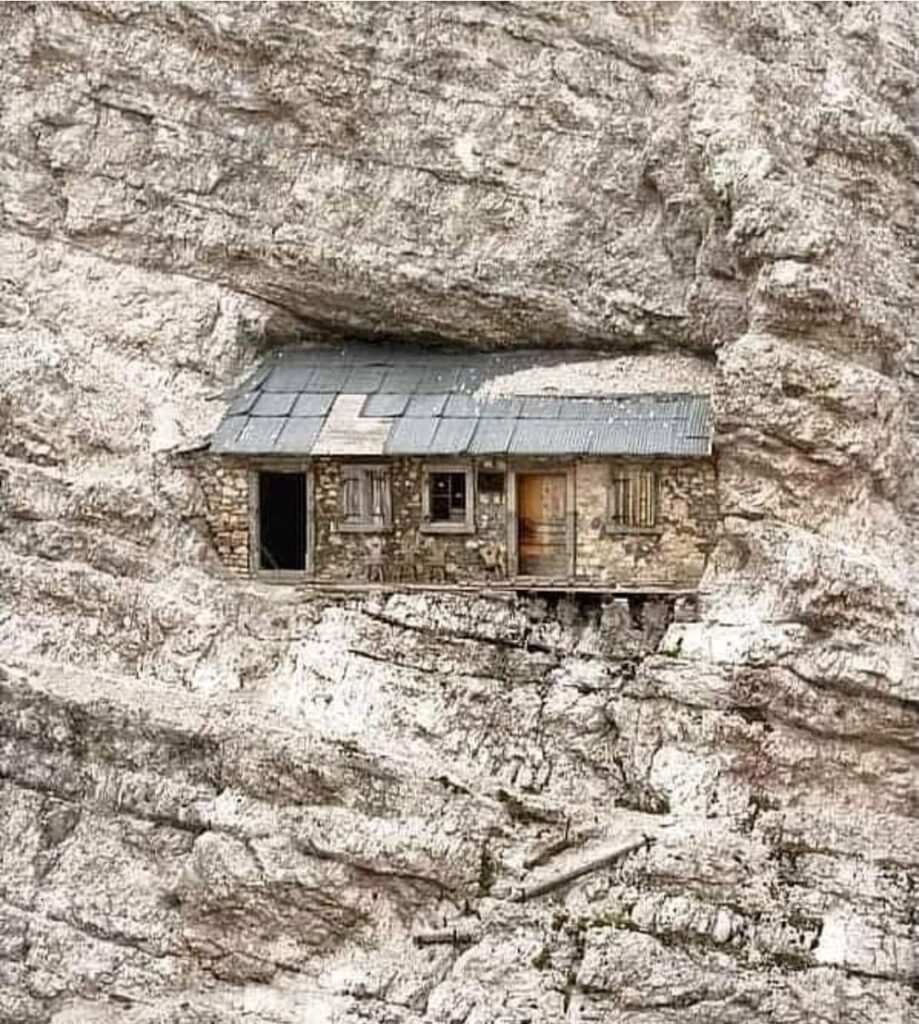
The Buffa di Perrero shelter is named after Colonel Carlo Buffa di Perrero, commander of the Cadore Battalion of the 7th Alpine Regiment. He led the assault on this exposed, snow-covered ridge in October 1915 and was wounded just above the heart during the fighting — by most accounts, he kept his composure, staunched the wound himself, and continued directing his men. The barracks built here afterward, later rebuilt into the bivouac that stands today, gave alpine troops a rare place to escape both enemy fire and the brutal winter conditions at that altitude, where temperatures regularly dropped well below freezing even outside of combat.
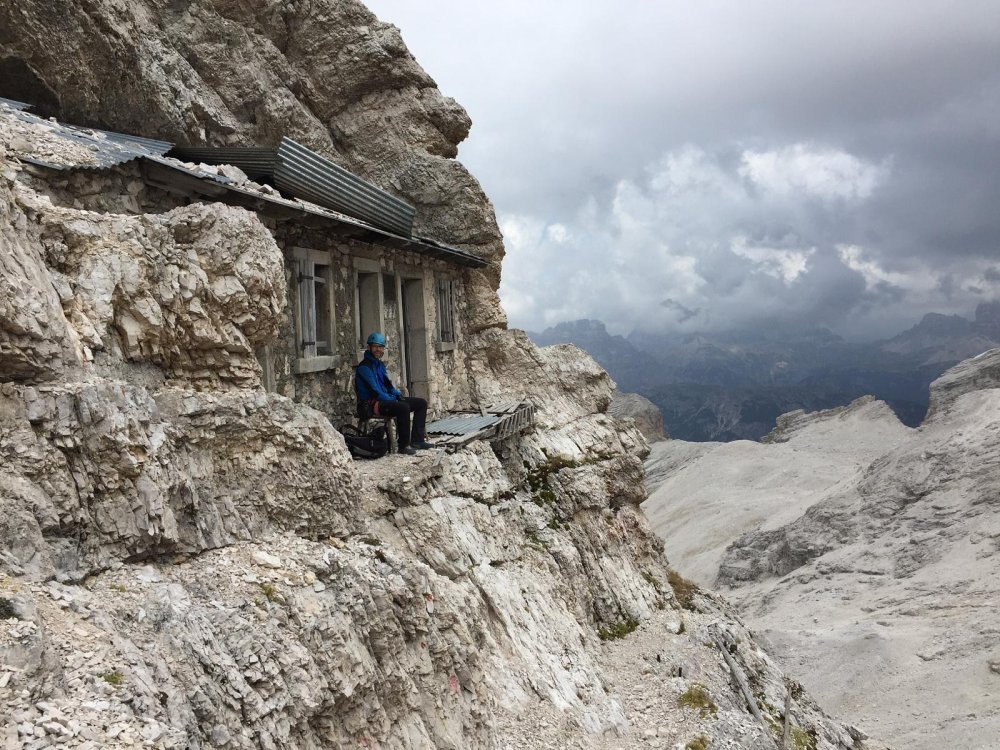
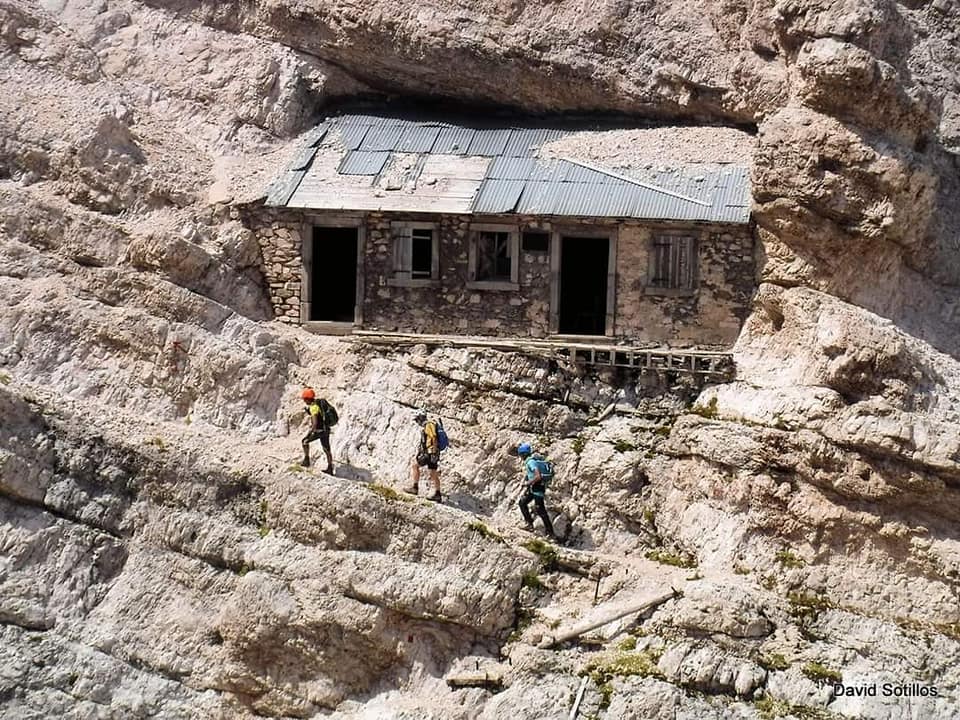
It’s a simple structure by design: brick walls, a slanted wooden roof, two doorways, and four small windows, all set into a ledge with no easy way in or out except along the exposed climbing route itself. Inside, it’s little more than a narrow, wood-lined room with a few chairs — not a place anyone would choose to spend a night, but shelter enough for soldiers who had no choice.
Two Different Shelters, Often Mixed Up
Photos of “the alpine shelter on Monte Cristallo” circulating online often mix together two structures that are not the same building at all:
- Buffa di Perrero — the WWI-era bivouac described above, at roughly 2,700–2,760 meters, built directly into the rock face.
- Rifugio Guido Lorenzi — a much larger 20th-century mountain hut near Forcella Staunies, at nearly 3,000 meters, with around 25 beds. It served hikers on the same via ferrata network but has no WWI military origin and has been closed for years due to structural decay.
The confusion is understandable — both sit on the Monte Cristallo massif, both are reachable from the same network of via ferrata routes, and both show up in the same photo sets from climbers who pass through the area. But they’re distinct buildings with different histories, and captions that treat them as interchangeable end up misleading readers about what they’re actually looking at.
Where It Sits Today
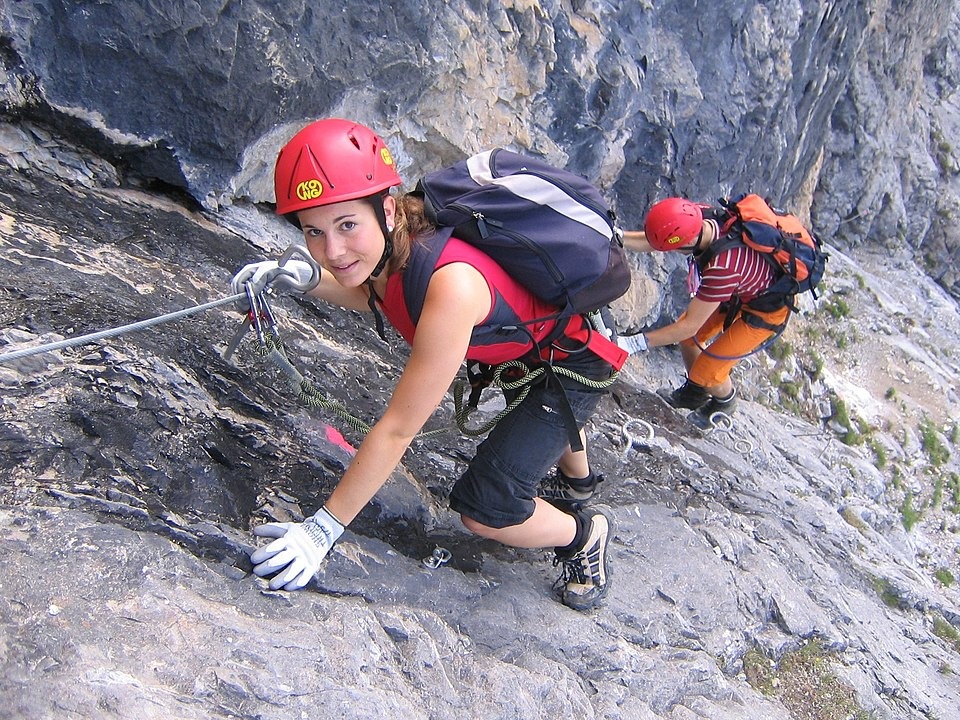
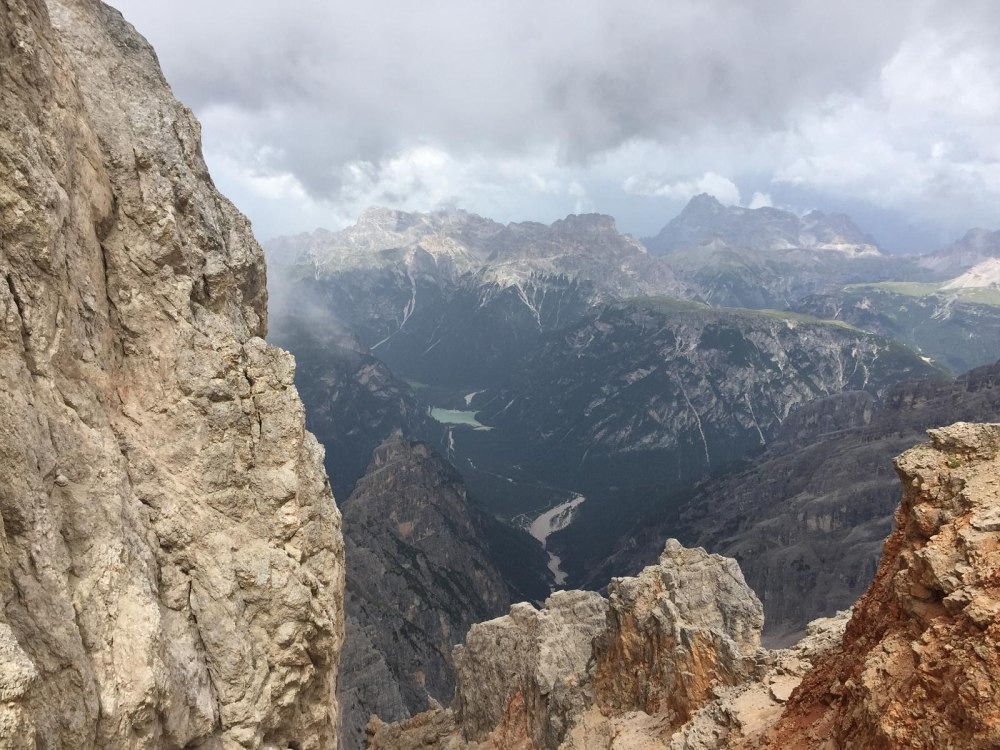
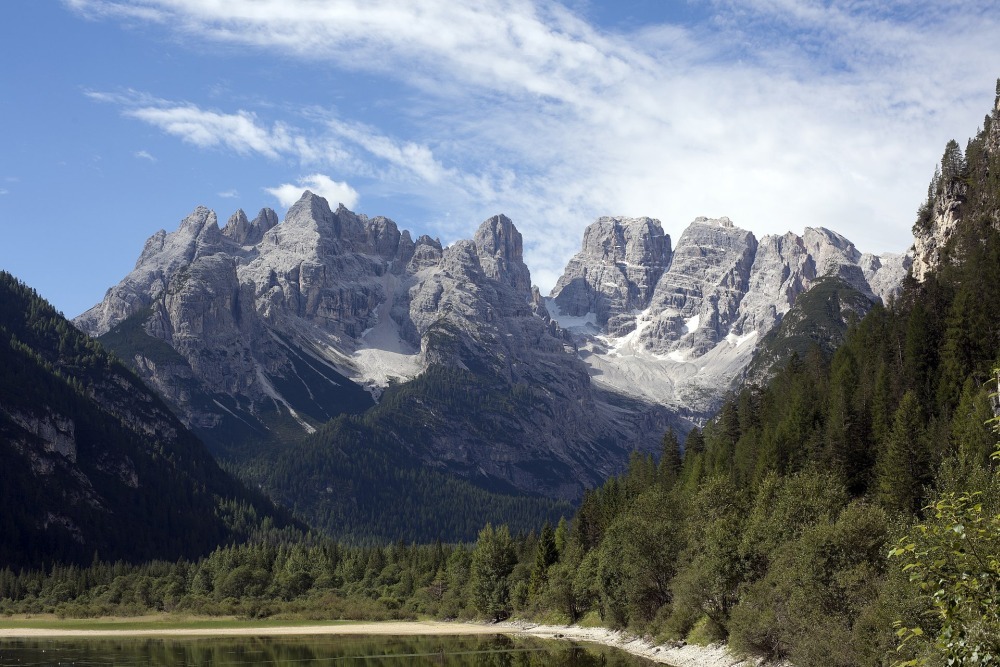
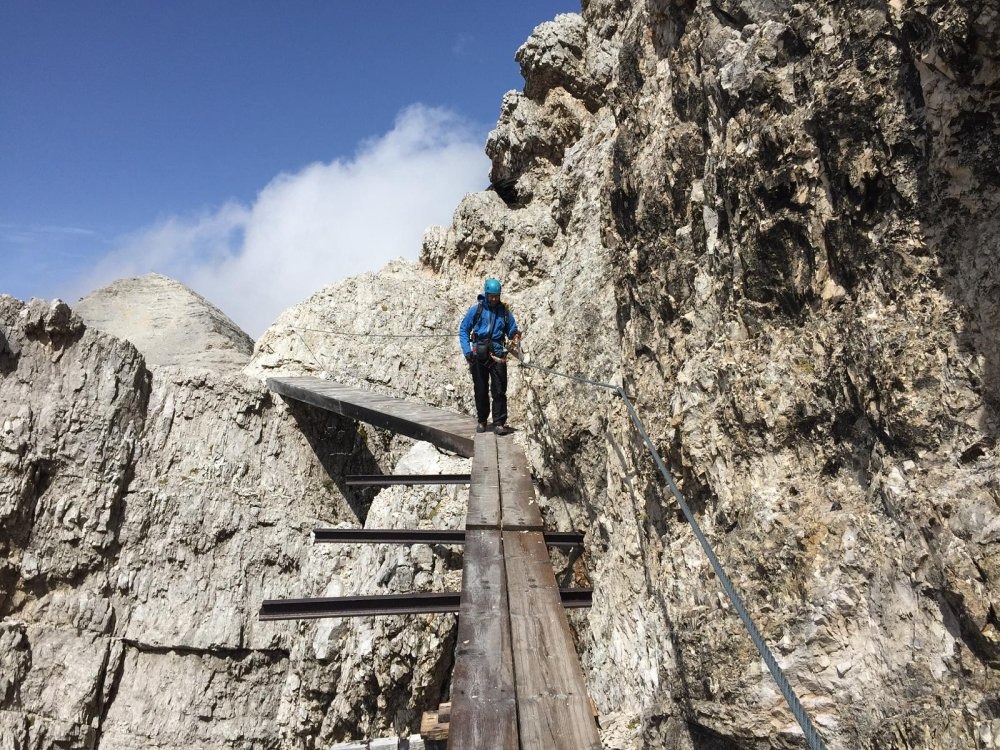
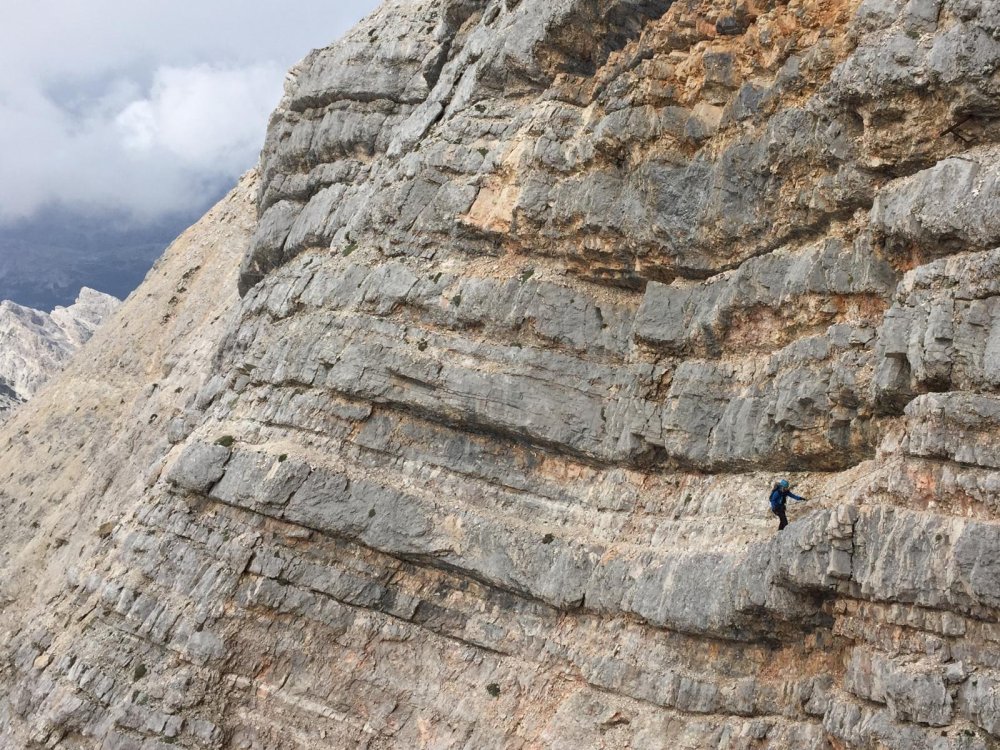
Monte Cristallo is part of the Parco Naturale delle Dolomiti d’Ampezzo, within the wider Dolomites UNESCO World Heritage Site recognized in 2009. The via ferrata routes that pass near both structures — Ivano Dibona, Marino Bianchi, and René De Pol — are rated as difficult, technical routes requiring proper equipment and prior climbing experience; they are not casual hikes, and several stretches trace the same paths soldiers used a century ago.
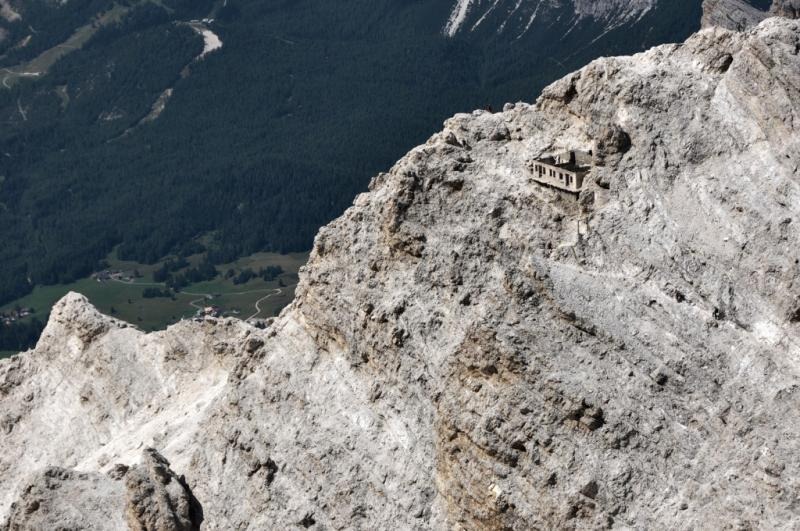
For climbers who do make the journey, the Buffa di Perrero shelter remains open as a bivouac — free and unstaffed, available to anyone who reaches it. Most people approach from Passo Tre Croci above Cortina d’Ampezzo, making a loop along the Ivano Dibona route. Rifugio Lorenzi, by contrast, has been closed for years; recent visitor reports describe both the old cable-car station and the hut itself as increasingly unstable, with little indication it will reopen.
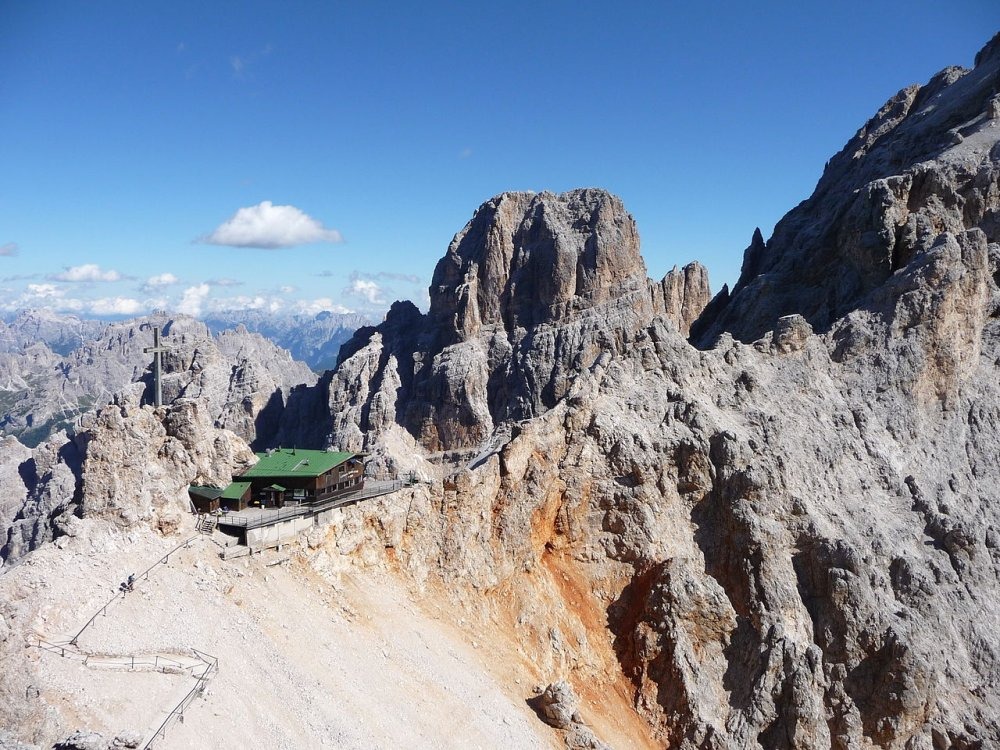
Together, the two structures tell different chapters of the same mountain’s story — one built to survive a war, the other built decades later to welcome hikers into the same unforgiving landscape.
Frequently Asked Questions
Is the Buffa di Perrero shelter still standing today? Yes. It was rebuilt as a bivouac on the site of the original WWI barracks and remains open and accessible to climbers on the Via Ferrata Ivano Dibona.
Can you sleep in the Buffa di Perrero shelter? Yes, it functions as an open bivouac, meaning anyone can use it overnight. Climbers who plan to stay are advised to bring a warm sleeping bag and pad, as the shelter itself offers no heating or supplies.
What’s the difference between Buffa di Perrero and Rifugio Lorenzi? Buffa di Perrero is the smaller WWI-era structure built directly into the cliff face at roughly 2,760 meters. Rifugio Guido Lorenzi is a separate, larger 20th-century mountain hut near Forcella Staunies, at nearly 3,000 meters, with no WWI origin — and it has been closed for years.
How do you get to the shelter? Most climbers start from Passo Tre Croci near Cortina d’Ampezzo and follow the Via Ferrata Ivano Dibona, a technical, protected climbing route requiring a harness, via ferrata kit, and prior experience.
Is Monte Cristallo part of a protected area? Yes. It sits within the Parco Naturale delle Dolomiti d’Ampezzo, part of the Dolomites UNESCO World Heritage Site designated in 2009.
Leave a Reply